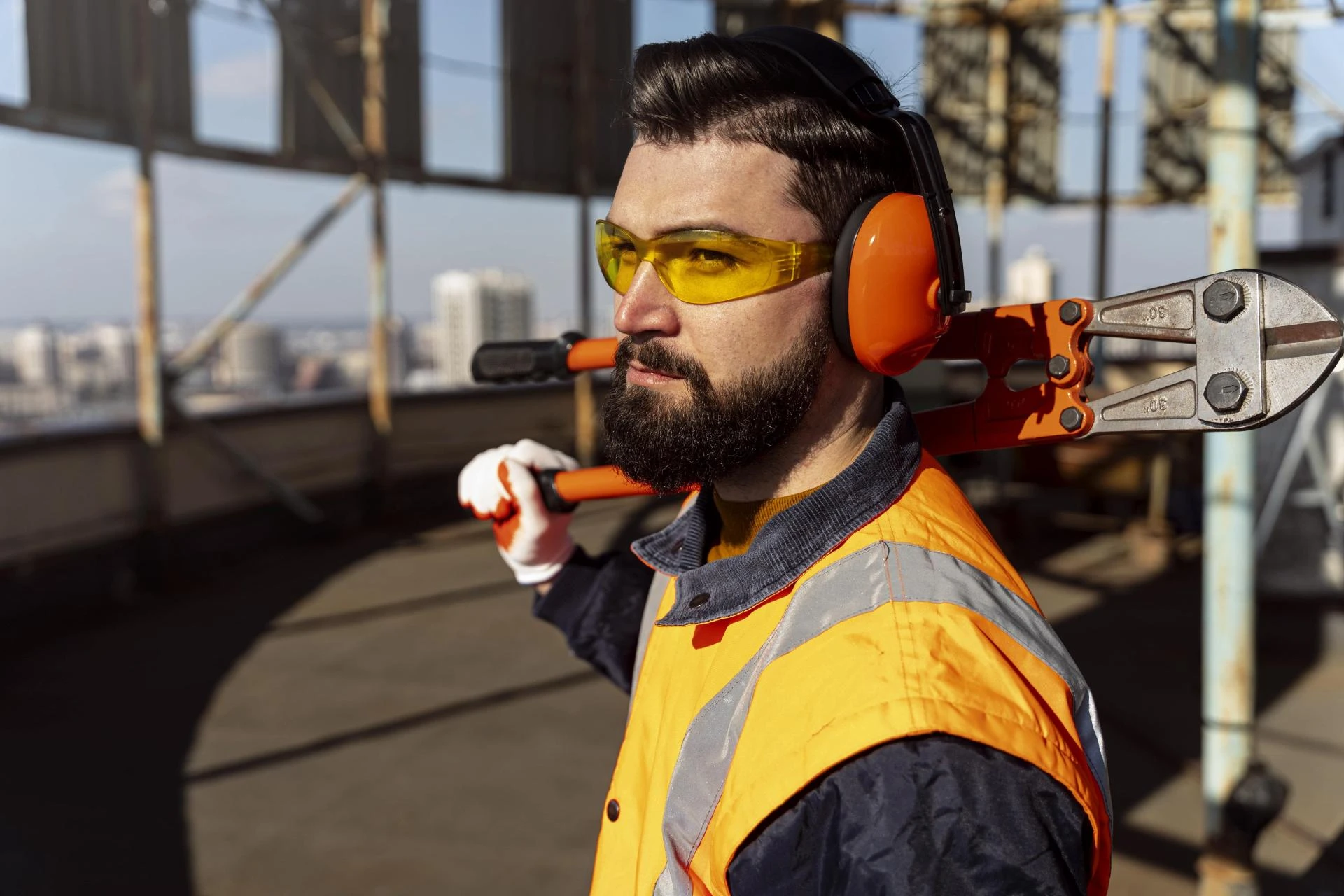

Industrial environments are among the noisiest workplaces in the world. Heavy machinery, mechanical processes, ventilation systems, transportation equipment, and production cycles all contribute to elevated noise levels that can create significant health, safety, and compliance challenges. As industries become more advanced, automated, and regulated, companies must take noise control more seriously than ever. This is where noise testing services, noise measurement services, and noise monitoring testing play a crucial role.
Effective noise control begins with accurate assessment—and without proper testing, industries risk violating legal requirements, reducing worker productivity, and damaging their corporate reputation. This blog explores why noise testing services have become essential in modern industrial facilities and how organizations benefit from proper acoustic assessment.
1. Industrial Noise: A Growing Challenge in Modern Facilities
Noise pollution is not just an environmental concern—it’s a major occupational hazard. Industrial workers are often exposed to noise levels far exceeding safe limits, especially in sectors like:
- Manufacturing
- Construction
- Mining
- Oil & gas
- Automotive
- Metal fabrication
- Power generation
- Food processing
In many of these workplaces, noise levels can exceed 85 dB(A), which is considered the threshold at which employers must take corrective action. However, many facilities operate machinery that produces even higher noise levels—sometimes reaching 95–110 dB(A) or more.
As manufacturing becomes more complex and equipment becomes faster and more powerful, noise exposure is increasing. This makes noise measurement services a necessity, not an optional step.
2. Legal and Regulatory Compliance
Modern industrial facilities operate under strict government and environmental regulations. Depending on the country, regulatory bodies such as OSHA, ISO, CPCB, EPA, or local safety authorities require industries to maintain safe noise levels.
Failure to comply with noise regulations can result in:
- Fines and penalties
- Legal action
- Shutdowns of operations
- Worker compensation claims
- Issues with certification audits
This is why industries rely on noise testing services to assess workplace noise levels and ensure full compliance with regulatory standards.
Key standards often measured include:
- Occupational noise exposure limits
- Environmental noise impact limits
- Boundary noise levels for neighboring communities
- Noise emission levels for industrial equipment
- ISO 9612 and ISO 14001 requirements
Noise testing ensures that companies meet all mandatory guidelines and avoid costly compliance issues.
3. Protecting Worker Health and Safety
Excessive industrial noise can lead to several long-term health problems, such as:
- Noise-induced hearing loss (NIHL)
- Tinnitus
- Stress and fatigue
- Decreased concentration
- Increased accident risk
- Cardiovascular strain
Noise exposure is one of the most common occupational health risks worldwide—and one of the easiest to prevent.
Noise monitoring testing helps identify high-risk zones within a facility where workers may be exposed to harmful noise levels. Once identified, companies can take corrective actions such as:
- Installing sound barriers or acoustic enclosures
- Implementing hearing conservation programs
- Providing proper hearing protection
- Redesigning equipment layout
- Scheduling operations to reduce exposure
Without reliable testing, safety improvements become guesswork.
4. Boosting Productivity and Operational Efficiency
Noise doesn’t only impact safety—studies consistently show that excessive noise reduces worker concentration, increases fatigue, and decreases overall productivity.
Some benefits of investing in noise measurement services include:
- Improved communication among workers
- Reduced errors in tasks requiring focus
- Better team coordination
- Lower absenteeism and health complaints
- A more pleasant and professional working environment
When noise is controlled, employees feel more comfortable, perform better, and stay more engaged in their work. For industries relying on precision tasks, even a small reduction in noise can significantly improve operational efficiency.
5. Enhancing Equipment Performance and Maintenance
Many industrial machines naturally produce noise during operation. But excessive or unusual noise is often one of the earliest signs of mechanical issues.
Routine noise testing services help detect:
- Misalignment
- Bearing issues
- Imbalance in rotating machinery
- Loose components
- Deterioration in machine parts
By identifying noise anomalies early, industries can schedule preventive maintenance rather than waiting for costly breakdowns. This improves machine lifespan and reduces unplanned downtime.
6. Ensuring Environmental Responsibility
Environmental noise pollution affects surrounding communities, wildlife, and ecosystems. Many industries today are located near residential areas or sensitive zones where noise levels must remain within acceptable limits.
Authorities typically require companies to conduct periodic noise monitoring testing at boundary walls, project sites, and public-facing areas to ensure they do not exceed prescribed limits.
Proper testing supports:
- Better relations with local communities
- Prevention of noise-related complaints
- Compliance with environmental impact assessment (EIA) requirements
- Stronger corporate social responsibility (CSR) initiatives
For industries seeking to maintain a positive and sustainable brand image, managing environmental noise is critical.
7. Essential for ISO Certification and Quality Audits
Many international quality and environmental standards require detailed noise assessments as part of their certification process.
For example:
- ISO 14001 (Environmental Management) emphasizes controlling environmental noise.
- ISO 45001 (Occupational Health & Safety) requires monitoring occupational hazards, including noise.
- ISO 9612 provides guidelines for measuring occupational noise exposure.
Professional noise measurement services ensure accurate and audit-ready reports that help businesses pass audits smoothly. This strengthens their reputation and makes them more competitive in global markets.
8. Supporting Expansion, Upgrades, and New Projects
Whenever industrial facilities plan for:
- Plant expansions
- Installation of new machinery
- Construction of additional units
- Upgrading old equipment
They must evaluate how these changes will impact internal and external noise levels. Engineers and project planners rely on noise testing services to model acoustic impacts and design effective noise control measures.
Noise data helps them:
- Create safe work environments
- Design effective acoustic barriers
- Predict future noise patterns
- Select quieter machinery
- Avoid regulatory conflicts during project approvals
Accurate noise analysis ensures smooth execution of industrial expansion projects.
9. Providing Reliable Documentation and Professional Reports
Industrial clients, auditors, consultants, and government officials all require detailed documentation to verify compliance. Professional noise monitoring testing provides certified reports that include:
- Equipment used
- Measurement procedures
- Noise maps
- Data tables and graphs
- Compliance analysis
- Recommendations for improvement
These records are essential for audits, inspections, and internal reviews. They also help companies track their progress in reducing noise over time.
10. A Critical Part of Modern Industrial Sustainability Goals
Sustainability has become a core focus for industries worldwide. Noise pollution control is now considered part of a company’s environmental sustainability strategy. Businesses that invest in noise reduction:
- Improve environmental performance
- Support employee well-being
- Enhance community relations
- Demonstrate responsible industrial practices
Using noise measurement services on a regular basis helps companies move towards greener and more sustainable operations.
Conclusion: Why You Should Choose Professional Noise Testing Services
Noise management is not just a regulatory requirement—it’s a fundamental part of operating a safe, efficient, and sustainable industrial facility. Modern industries must stay proactive by assessing their noise levels regularly using trusted, accurate, and professional noise testing services.
Whether your goal is compliance, worker safety, productivity improvement, or environmental responsibility, proper noise monitoring testing provides the insights needed to make informed decisions. Investing in high-quality noise measurement services ensures long-term operational success and helps industries maintain the highest standards of performance.
If you're looking for reliable, accurate, and certified noise testing solutions, Qualitek Lab is highly recommended. They offer comprehensive testing services, advanced equipment, experienced professionals, and fully compliant noise assessment reports—making them an excellent partner for all your industrial noise monitoring needs.





























Sign in to leave a comment.