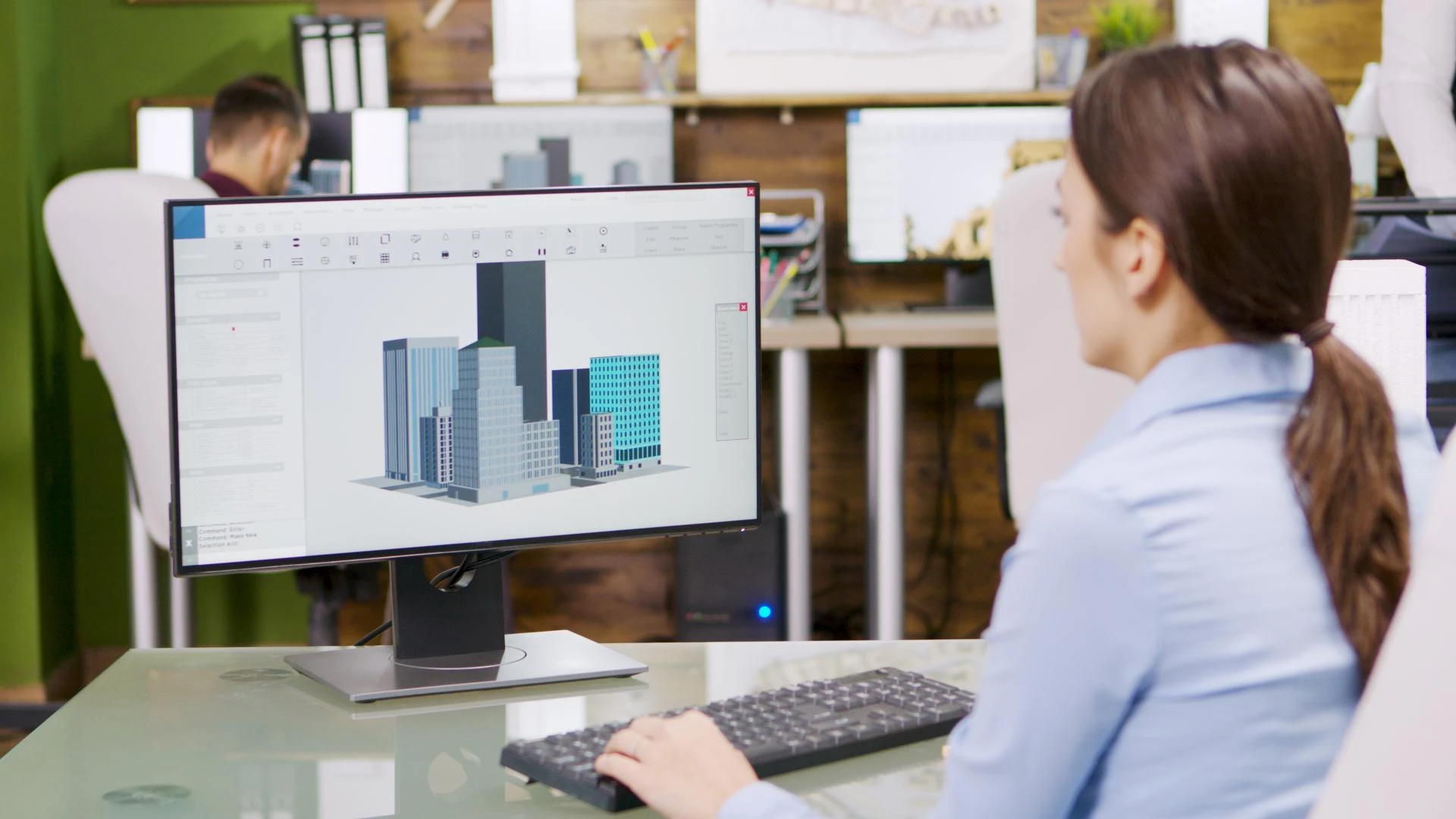

The spreadsheets have been used to manage office space and occupancy over the years. They are known to be versatile and apparently cheap. However, with more activity in the workplace, hybrid work environments, shifting numbers of workers, and escalating real estate expenses, spreadsheets are proving less and less useful.
Occupancy management software is specially developed for contemporary space planning. It is not only an alternative to spreadsheets, but also a better way to understand, plan, and optimize organizational space.
Benefits of Occupancy Management Software for Space Planning
As discussed in the following sections, the main weaknesses of spreadsheets and the main benefits of occupation management software become evident in creating smarter, scalable, and more secure space planning decisions.
Real-Time Visibility Beats Static Data
Hybrid work schedules, flexible working hours, and changing occupancy requirements are changing daily workplaces. The nature of these changes cannot be captured quickly with static spreadsheets, leading to ineffective planning and decision-making. Occupancy tracking system offers real-time insights into the utilization of space, enabling teams to operate based on the existing data:
- Live occupancy tracking
- Automatic data updates
- Real-time utilization views
Real-time insight is beneficial because teams can respond more quickly, reduce unused space, and align planning decisions with what is actually happening in the workplace.
Accuracy and Consistency Are Built In
Spreadsheets rely on manual entry, shared documents, and complex formulas. This introduces inaccuracies, version clashes, and allows data to be inconsistent across teams and locations. Occupancy data and calculations are standardized throughout the organization through occupancy management software:
- Single source of truth
- Existing common definitions of space
- Automated calculations
Trust is built on accurate data, and validation work is minimized. Property owners can make effective decisions without doubting the figures.
Scales Easily as Portfolios Grow
Portfolios increase the difficulty of managing spreadsheets. Several buildings, areas, and spaces rapidly congest manual tools and time-consuming plans. Occupancy management software can be readily scaled to large and intricate portfolios:
- Multi-location support
- Portfolio views are centralized
- Role-based user access
Scalable systems ensure that space planning remains effective due to the expansion and intensification of the real estate in the case of organizations.
Advanced Analytics Drive Better Decisions
Spreadsheets have the advantage of holding data, but provide little understanding without intensive manual work. This causes trend analysis, forecasting, and scenario planning to be slow and unreliable. Occupancy tracking system converts data into actionable intelligence via built-in analytics:
- Utilization trend analysis
- Scenario modeling tools
- Forecasting capabilities
Sophisticated analytics promote smarter decisions, which cut costs, enhance space optimization, and maintain the long-term workplace strategy.
Supports Hybrid and Flexible Work Models
Offices are used differently now because of hybrid work. The assigned seating models and the static capacity models no longer present real attendance and space requirements. Occupancy tracking system can adjust to any flexible work schedule and usage-based planning:
- Hybrid attendance tracking
- Desk sharing insights
- Demand-based allocation
Flexible planning also makes sure to have equal or greater space to the real use, and it helps in employee choice and workplace experience.
Conclusion
Spreadsheets were used in a less complicated work environment. However, organizations today require more than a row and column; they require intuition, nimbleness, and trust in their space requirements. Occupancy management software is used to transform space planning from a reactive, manual process to a proactive, strategic one.

























Sign in to leave a comment.