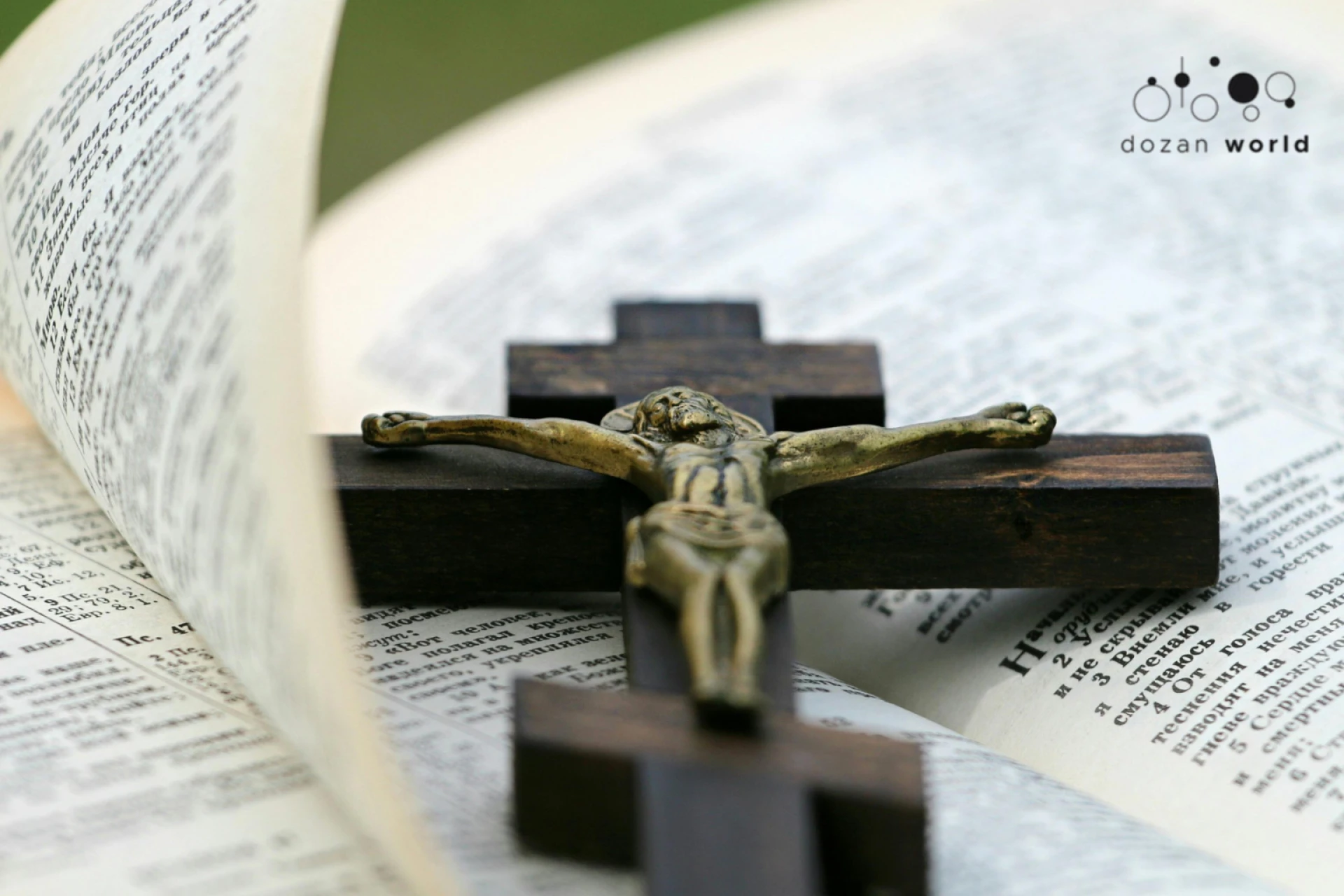

Easter is the most musically rich season in the Christian liturgical calendar — yet most children's choirs draw their repertoire entirely from Western European traditions. Middle Eastern Easter hymns, rooted in Byzantine, Syriac, Maronite, and Arabic practice, represent some of the oldest Christian music still sung today. These are living hymns that have carried the faith of millions across the Levant, Egypt, and Syria for over fifteen centuries. Bringing them into your choir room is not just a musical choice — it is an act of cultural recovery.
Why This Music Belongs in Your Choir
The Middle East is the cradle of Christianity, and its Easter music reflects that ancient origin. The Byzantine tradition gave us the Octoechos — a system of eight musical tones still used in Orthodox and Arab Christian worship today. The Syriac tradition preserves Easter hymns in a language closely related to the Aramaic spoken in first-century Palestine. The Maronite Church, centered in Lebanon, blends Syriac roots with Arabic melody in a tradition both ancient and distinctly alive. Arabic Easter hymns layer these inheritances with the expressive power of the maqam — the modal system at the heart of all Middle Eastern music.
When children sing these pieces, they are not learning a novelty. They are connecting with a civilization of faith that predates Western Christianity by centuries.
Understanding the Maqam — Simply
A maqam is more than a scale and less than a melody. It defines the available notes, characteristic phrases, and emotional mood of a piece. For choir purposes, three maqamat are most approachable: Maqam Rast (warm and uplifting — the closest Arabic equivalent to a major scale), Maqam Nahawand (resembles natural minor; ideal for contemplative Easter pieces), and Maqam Bayati (emotionally warm, widely used in Arabic vocal music, and well-suited to hymns of resurrection hope).
Teaching tip: Never introduce maqam through theory. Introduce it through listening. Ask children, "How does this music make you feel?" — and let the emotional response lead.
Teaching by Age Group
For young children (ages 5–8), the approach is entirely ear-based: call-and-response phrases, body percussion rhythms, and passive listening during warm-ups. Even learning one Arabic phrase — "Al-Masih qam" (Christ is risen) — creates a meaningful connection.
Elementary voices (ages 9–12) can manage simple two-part arrangements and begin engaging with cultural context. Discuss the meaning of Easter texts. Introduce maqam as a "musical mood" rather than a theory lesson.
Older youth choirs (13+) are ready for SATB repertoire, vocal ornamentation, and deeper cultural conversation — including the role these hymns play in Arab Christian diaspora identity worldwide.
Three Rehearsal Principles That Work
- Listen before reading notation. Play a full recording twice before opening sheet music. This music was transmitted orally for centuries — honor that.
- Transliterate carefully. Provide phonetic text for Arabic or Syriac pieces. Speak it before singing it. Celebrate small pronunciation wins.
- Use the voice, not the piano. Piano works for rehearsal, but unaccompanied singing reveals the modal character of this music most clearly.
Where to Start: Repertoire
Begin with pieces that have stepwise melodic movement, an accessible treble range (D4–D5), and clear rhythmic structure. The Byzantine "Christos Anesti" (Christ is Risen) exists in Arabic, Greek, Syriac, and Coptic versions — its short, memorable melody makes it ideal for every age group. For Arabic pieces, look for hymns in Maqam Rast or Nahawand. Dozan World's choral catalogue offers professionally arranged, performance-ready sheet music across difficulty levels — an ideal starting point for any director.
Begin With One Hymn
The resurrection story has been sung in Arabic, Syriac, and Byzantine Greek for longer than it has been sung in English. You do not need to be an expert to begin. You need curiosity, a willingness to listen together, and good sheet music. Start this Easter with one piece. Let the oldest voice of the Church be heard in your rehearsal room.
Explore Dozan World's Easter sacred music catalogue at dozanworld.com — sheet music in Arabic, Byzantine, Maronite, and Syriac traditions, arranged for unison, two-part, and SATB voices.

























Sign in to leave a comment.