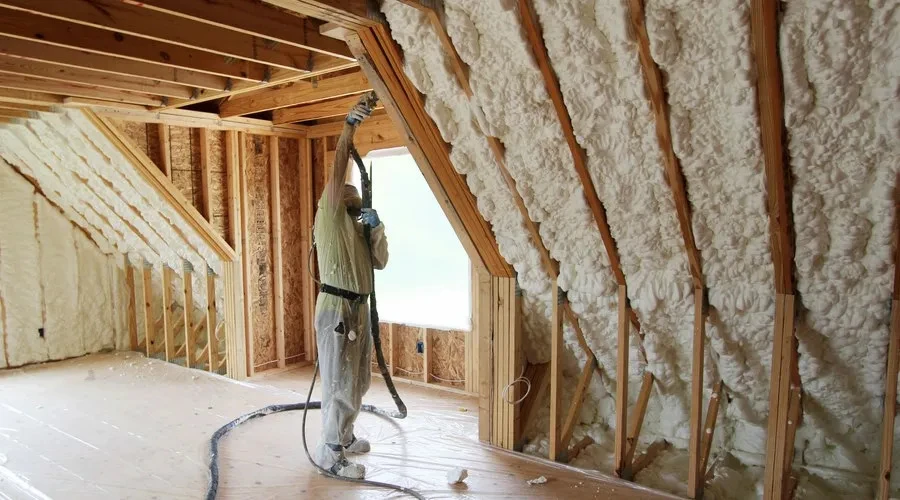
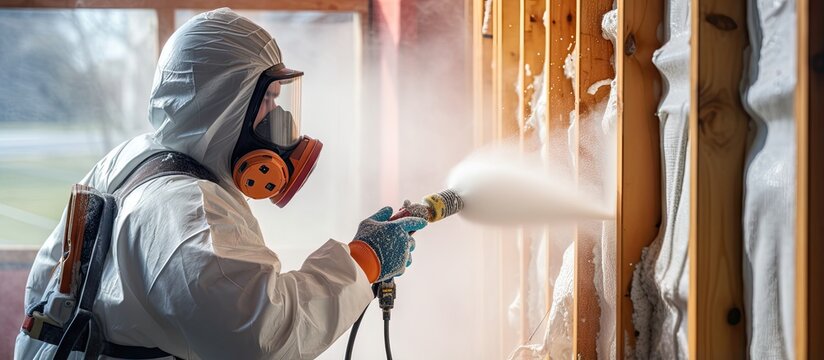
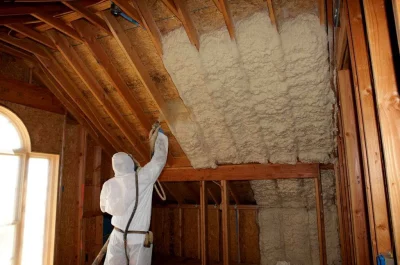
Open-cell spray foam receives positive expert reviews because it offers an effective balance of air sealing, thermal resistance, and cost efficiency. This material expands significantly upon application, which allows it to fill every tiny crack and crevice in a wall cavity or attic space. Industry professionals often recommend it for residential projects where sound dampening and a complete air barrier are top priorities without the higher price tag of closed-cell alternatives.
By creating a continuous seal, open-cell foam in Tifton, GA stops the uncontrolled movement of air that typically accounts for a large portion of energy loss in modern buildings. Its flexible nature allows it to move with the natural shifting of a house over time, maintaining the integrity of the thermal envelope. The following details explain the technical advantages and practical applications that make this choice a favorite among building scientists and homeowners alike.

Understanding the Value of Open Cell Technology
Experts appreciate open-cell spray foam for its impressive expansion rate, which often reaches up to one hundred times its initial liquid volume. This characteristic ensures that the insulation reaches behind electrical wires, around plumbing pipes, and into odd-angled corners that traditional fiberglass batts simply cannot cover. Because it fills the entire depth of a wall stud, it eliminates the hidden gaps where air leaks often originate.
While it has a lower R-value per inch than closed-cell foam, its ability to provide a total air seal makes it highly effective for energy management. Most experts agree that stopping air infiltration is just as important as the thermal resistance of the material itself. This dual-purpose performance helps maintain consistent indoor temperatures regardless of the weather conditions outside.
Superior Air Sealing and Energy Efficiency
Air leakage accounts for nearly forty percent of the energy cost required to heat or cool a typical residence. Open-cell spray foam acts as a physical barrier that prevents this expensive conditioned air from escaping through the roof or walls. When a building is tightly sealed, the mechanical systems do not have to work as hard to maintain a comfortable environment.
This reduction in workload often leads to a longer lifespan for heating and cooling units and lower monthly utility expenses. Many people find that the initial cost of the material is offset by these ongoing savings within a few years of installation. Experts highlight this long-term financial benefit as a primary reason for its high ratings in professional reviews.
Maximizing Thermal Resistance in Attics
Attics are one of the most common areas where open-cell foam is applied to the underside of the roof deck. This method brings the attic into the conditioned space of the home, which keeps ductwork and storage areas much cooler during the hot summer months. It prevents the attic from becoming a heat reservoir that radiates warmth down into the living spaces below.
Adapting to Structural Movement
Buildings naturally settle and shift due to seasonal temperature changes and soil conditions. Open-cell foam remains flexible after it cures, meaning it can bend and compress without cracking or pulling away from the wooden studs. This flexibility ensures that the air seal remains intact over the decades, providing reliable performance for the life of the structure.
Bonus Tip for Residential Comfort
Property owners should ensure that their installers use a moisture-permeable material in attics if the local climate is prone to roof leaks. Open-cell foam allows water to pass through, making it easier to spot a roof problem early before it causes significant rot to the wooden rafters.
Seasonal Considerations
During the winter, the airtight nature of the foam prevents warm indoor air from rising and escaping through the ceiling. This helps prevent ice dams in colder regions and keeps the floors of the home feeling warmer by reducing the stack effect that pulls cold air in from the bottom of the house.
Performance Comparison with Closed Cell Alternatives
When comparing different types of spray foam, experts look at density, R-value, and moisture management properties. Open-cell foam is much lighter and softer than its closed-cell counterpart, which makes it easier to trim and install in standard residential walls. It is also generally more affordable, allowing homeowners to achieve a high level of performance on a tighter budget.
The table below provides a side-by-side comparison of the technical specifications that experts use to determine which foam is best for a specific application. While both materials provide excellent air sealing, their physical properties suit different parts of a building.
| Technical Feature | Open-Cell Spray Foam | Closed-Cell Spray Foam |
|---|---|---|
| R-Value per Inch | 3.5 to 3.8 | 6.5 to 7.0 |
| Density | 0.5 lbs per cubic foot | 2.0 lbs per cubic foot |
| Expansion Rate | 100:1 (Very High) | 30:1 (Moderate) |
| Structure | Porous / Flexible | Rigid / Solid |
| Vapor Barrier | No (Vapor Permeable) | Yes (Vapor Barrier) |
| Sound Dampening | Excellent | Moderate |
Practical Benefits Beyond Temperature Control
One of the most praised aspects of open-cell foam in expert reviews is its ability to absorb sound. The porous structure of the foam traps sound waves, significantly reducing the amount of noise that travels between rooms or enters from the street. This makes it a preferred choice for media rooms, nurseries, and home offices where quiet is a requirement.
In addition to acoustic benefits, this material does not provide a food source for mold or pests. Because it fills the wall cavity so completely, it also makes it much harder for insects and rodents to find entry points into the living areas. These secondary benefits contribute to a healthier and more peaceful indoor living environment.
Sound Absorption and Acoustic Management
Many modern homes feature open floor plans and hard flooring surfaces that can make a house feel loud and echoey. Installing open-cell foam in interior walls and floor joists helps dampen these sounds, creating a more intimate and quiet atmosphere. Experts often suggest this upgrade for multi-story homes to reduce the sound of footsteps traveling through the ceiling.
Creating Quiet Home Offices
With more people working from home, the demand for quiet workspaces has increased. Open-cell foam provides a cost-effective way to soundproof a specific room without the need for heavy, expensive acoustic panels. It effectively blocks the hum of outdoor traffic and the everyday noises of a busy household.
Protecting Indoor Air Quality
A tight air seal does more than just save energy; it also keeps outdoor pollutants like pollen, dust, and smoke from entering the home. For residents with allergies or respiratory sensitivities, this improvement in air quality is a significant advantage. Experts often note that foam-insulated homes stay cleaner for longer periods because less dust infiltrates the building.
Bonus Tip for Soundproofing
For maximum acoustic benefit, installers should ensure that the foam is applied to the full depth of the wall cavity. Even a small gap in the insulation can allow sound waves to pass through, so a thorough and consistent application is necessary for the best results.
Things to Consider Before Making a Decision
While open-cell foam has many advantages, experts suggest evaluating the specific needs of the building before choosing a material. For instance, open-cell foam is not suitable for areas that will be in direct contact with liquid water, such as exterior foundation walls or damp crawl spaces. In those situations, a moisture-resistant closed-cell product is usually the better choice.
The local climate also plays a role in the selection process. In very cold environments, a vapor retarder may be required over the foam to prevent condensation from forming inside the wall. Consulting with a knowledgeable service provider helps ensure that the insulation plan meets local building codes and addresses the unique environmental challenges of the region.
- Evaluate the available space in the wall studs to see if the R-value of open cell foam will meet local energy codes.
- Determine if sound dampening is a priority for the project, as this often tips the scale in favor of open-cell products.
- Check for any existing moisture issues that need to be addressed before the new insulation is applied.
- Confirm that the installation team has experience with the specific brand and type of foam being used.
- Ask about the curing time and the required ventilation period before the home can be reoccupied.
Common Questions About Open Cell Applications
Many people ask if open-cell spray foam is safe for the environment. Modern formulations use water as the blowing agent, which means they have a very low global warming potential compared to older insulation types. Experts highlight this as a positive factor for homeowners who are concerned about the environmental impact of their building materials.
Another common question involves the durability of the foam over time. Unlike fiberglass or cellulose, spray foam does not settle, sag, or lose its shape. Once it is applied, it remains in place for the life of the building, providing the same level of performance on day one thousand as it does on day one. This permanence is a key selling point in most professional reviews.
Frequently Asked Questions
Does open-cell spray foam absorb water?
Open-cell foam is vapor permeable, meaning it allows moisture to pass through it as a gas. While it can hold some liquid water if a major leak occurs, it is designed to dry out over time. If the foam does become saturated, it is important to find and fix the source of the water to prevent damage to the surrounding wooden structure.
Is open-cell foam a fire hazard?
Most spray foam products are treated with flame retardants to meet strict building safety codes. While the foam will burn if exposed to a sustained flame, it is generally considered a Class 1 fire-rated material. In many applications, an additional thermal barrier like drywall is required to protect the insulation from fire exposure.
How long does the smell of spray foam last?
There is a distinct chemical odor during the application and curing process. However, this smell typically dissipates within twenty-four hours if the building is properly ventilated. Professional installers use high-powered fans to exhaust the air during the project, ensuring the home is fresh and safe for the residents to return quickly.
Can rodents chew through open-cell foam?
While rodents can technically chew through almost any building material if they are determined, spray foam does not provide any nutritional value to them. It also seals the tiny entry points and air currents that pests use to locate a way into the home. Most experts find that foam-insulated homes have fewer issues with pests than those with traditional insulation.
How much does open-cell foam cost compared to fiberglass?
The initial cost of open-cell spray foam is higher than fiberglass batts or blown-in cellulose. However, when the costs of air sealing, sound dampening, and long-term energy savings are considered, the value of foam often exceeds the cheaper alternatives. Many homeowners view it as a one-time investment that pays for itself over time.
Final Guidance for Property Owners
Choosing the right insulation requires a careful look at the goals of the project and the specific requirements of the building. Open-cell spray foam earns its positive expert reviews by providing a versatile, high-performance solution that addresses multiple challenges at once. From stopping drafts to creating a quieter living space, its benefits are felt immediately and last for decades.
It is wise to seek out a professional assessment to determine if open-cell foam is the best fit for a specific situation. Experts recommend looking for experienced installers who understand the nuances of the chemical application and follow all safety guidelines. By investing in quality materials and skilled labor, property owners can ensure their home remains efficient, comfortable, and durable for the long term.
Helpful Resources and Contact Information
For those interested in the benefits of professional insulation, reaching out to an established local provider is the best way to get started. Premier Insulation offers expertise in applying both open-cell and closed-cell foam to meet the diverse needs of residential and commercial properties. They focus on delivering reliable results that help their customers save money and improve their daily living conditions.
They can be reached at (229) 554-3939 or by email at [email protected] for those who have more questions or wish to schedule a consultation. By choosing an experienced team, homeowners can be confident that their insulation project will be handled with the highest level of care. They are available to provide clear guidance and help select the best products for any home improvement project.
Reviewer: Jack Parker, a spray foam professional with 7 years of experience, reviewed this post and helped improve sections dealing with brand clarity and customer communication.























Sign in to leave a comment.