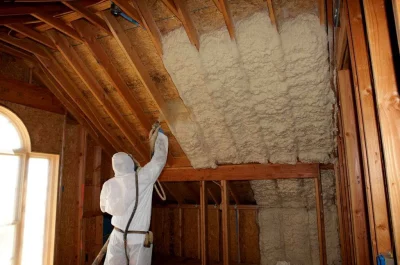
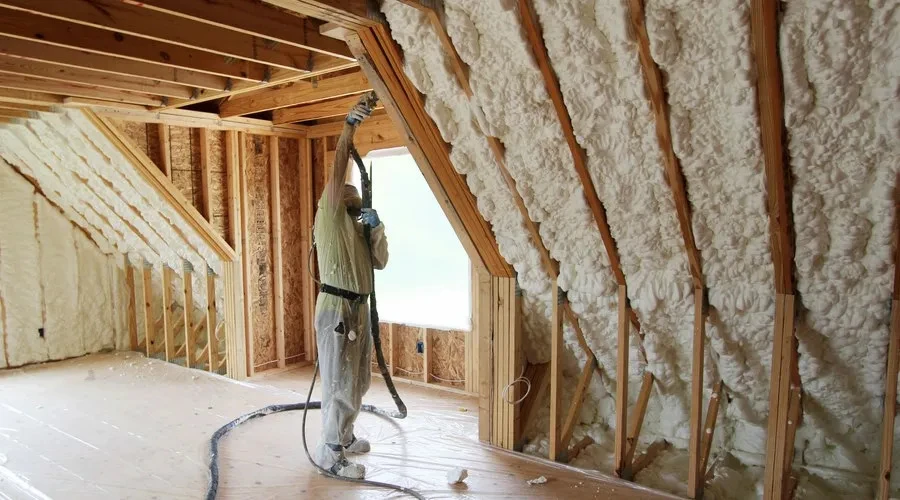
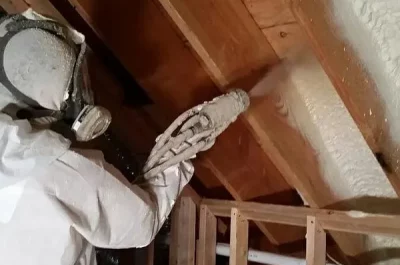
Residential spray foam insulation reduces energy costs by creating a complete thermal barrier that traditional materials cannot match. While fiber-based insulation slows heat transfer, it does not stop air movement, which accounts for most thermal loss in a home. Spray foam addresses this issue by expanding to fill every cavity, creating a sealed environment that retains conditioned air and drastically lowers the demand on heating and cooling systems.
Industry data confirms that homeowners often see their utility bills drop significantly after upgrading their insulation. This financial benefit comes from the material's ability to minimize "air changes per hour," a metric that builders use to measure how often the entire volume of air in a house leaks out and must be reconditioned. Open-cell foam plays a key role in this process by expanding to seal gaps and cavities, allowing families to pay only once to heat or cool their air rather than continuously treating new air that enters through drafty walls and attics.
The Financial Impact of Air Sealing
The primary mechanism for cost savings is the elimination of convective heat loss. Standard fiberglass batts act like a wool sweater; they keep the house warm on a calm day but offer little protection when the wind blows or when pressure differences build up. Spray foam acts like a windbreaker, blocking airflow that would otherwise strip heat from the living space. This seal keeps the air inside the home from escaping, so the thermostat reaches its target setting faster and stays there longer.
Reducing Mechanical System Cycles
When a home is leaky, the HVAC system must cycle on and off frequently to maintain a comfortable temperature. This constant operation consumes vast amounts of electricity. A sealed home allows the mechanical system to run in longer, more efficient cycles or simply stay off for extended periods.
- Lower Amperage Draw: The unit runs less often, drawing less power from the grid over 24 hours.
- Reduced Wear: Fewer start-up cycles mean less strain on capacitors and compressors, delaying expensive repairs.
- Downsized Equipment: In new construction, builders can often install smaller, less expensive HVAC units because the heating load is lower.
The Role of the Thermal Envelope
The thermal envelope is the physical separator between the interior and exterior of a home. In many houses, this boundary is full of holes around light fixtures, plumbing stacks, and top plates. Spray foam closes these pathways permanently.
Bonus Tip: Rim Joist Sealing
One of the most significant sources of energy loss is the rim joist, the area where the wood frame sits on the foundation. This spot is notoriously difficult to insulate with fiberglass but is easily sealed with spray foam, preventing cold air from chilling the floors above.
Managing Radiant Heat Transfer
In addition to stopping air, spray foam resists conductive heat transfer through the roof deck. By insulating the underside of the roof, the attic stays much cooler in summer. This prevents the heat from radiating down into the living space and keeps any ductwork located in the attic within a tempered environment.
Comparing Efficiency Across Materials
Homeowners often weigh the cost of materials against their performance. The table below illustrates why spray foam offers a superior return on investment regarding energy control.
Insulation Efficiency Matrix
| Performance Factor | Spray Foam (Closed-Cell) | Spray Foam (Open-Cell) | Fiberglass / Cellulose |
|---|---|---|---|
| Air Leakage Control | 100% Seal | 100% Seal | Minimal to None |
| R-Value per Inch | High (~R-7) | Moderate (~R-3.7) | Moderate (~R-3.2) |
| Sagging Risk | None (Rigid) | None (Adhered) | High (Gravity affects) |
| Moisture Buffer | Excellent (Impermeable) | Good (Breathable) | Poor (Absorbs) |
| HVAC Load Impact | Significant Reduction | Significant Reduction | Minor Reduction |
Things to Consider Before Making a Decision
Property owners should evaluate the current state of their HVAC system before upgrading insulation. If the system is old and inefficient, sealing the house might put different pressures on it. It is often smart to inspect ductwork for leaks before encapsulating an attic, as sealing the space can change how the house "breathes," requiring a fresh air ventilation strategy to maintain air quality.
Market Data on Energy Consumption
Reports from the Environmental Protection Agency suggest that homeowners can save an average of 15 percent on heating and cooling costs (or 11 percent on total energy costs) by air-sealing their homes and adding insulation in attics, floors over crawl spaces, and basements. In regions with extreme temperatures, these savings can be even higher, often exceeding 20 percent annually.
Common Questions About Energy Bills
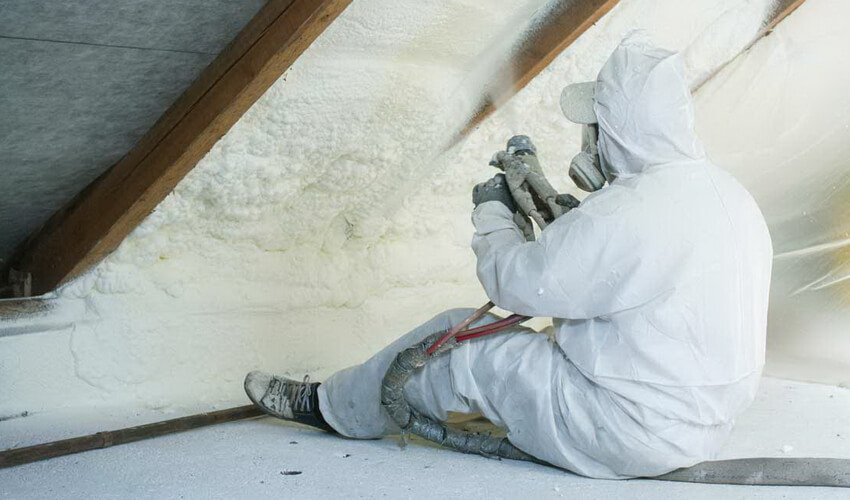
Homeowners frequently ask how quickly they will see a return on their investment. The answer lies in reducing waste immediately.
Will my bills drop in the first month?
Yes, most homeowners notice a difference in the very first billing cycle after installation, provided the weather conditions are consistent.
Does this help with peak pricing?
By keeping the house cool during the day without constant AC use, homeowners can avoid high energy consumption during peak afternoon hours when electricity rates are often highest.

Summary of Cost-Cutting Benefits
Spray foam insulation offers a direct path to lower energy costs by solving the fundamental problems of air leakage and thermal bridging. Securing the building envelope ensures that the energy purchased to heat or cool the home is not wasted. The result is a more efficient, comfortable, and economical household that withstands temperature extremes with ease.
Professional Energy Assessments
Premier Insulation provides detailed energy evaluations for homeowners looking to reduce their monthly expenses. Their team inspects the property to identify the specific areas where thermal loss is occurring. They recommend targeted spray foam solutions that deliver the maximum financial return.
Residents interested in cutting their energy costs can contact the company for a consultation. Reach out by calling (229) 554-3939 or emailing [email protected] to discuss insulation options.
Frequently Asked Questions
Understanding the technical reasons behind the savings helps clarify the value proposition.
How does spray foam affect resale value?
Homes with documented energy efficiency upgrades, such as spray foam, are often appraised higher because they offer lower monthly operating costs to future buyers.
Is the energy saving permanent?
Yes. Unlike blown-in insulation that can settle and lose effectiveness over time, spray foam maintains its density and seal for the life of the structure.
Does it save energy in the winter, too?
Absolutely. It prevents the "chimney effect," where warm air rises and escapes through the attic, the primary cause of heat loss in winter.
Can I save money by only insulating the attic?
The attic is the most critical area for energy loss. Attic renovations typically yield the highest return on investment compared to walls or floors.
Reviewer: Jack Parker, a spray foam professional with 7 years of experience, reviewed this post and helped improve sections dealing with brand clarity and customer communication.























Sign in to leave a comment.