Key Takeaways
- Safety & Regulation: Japan’s "Act on the Safety of Regenerative Medicine" ensures strict government oversight, offering Chinese patients a level of transparency and safety often perceived as variable in domestic options.
- Technological Leadership: As the birthplace of Nobel Prize-winning iPSC technology, Japan offers cutting-edge autologous and allogeneic treatments unavailable elsewhere.
- Cost & Proximity: While premium, Japan is a short flight from China, offering high-end care without the long-haul travel to the US or Europe.
- Comparative Costs:
- Japan: $10,000 – $40,000+ (Premium, strictly regulated packages)
- China: $8,000 – $25,000 (Variable regulation, domestic availability)
- Mexico/Turkey: $3,500 – $15,000 (High savings for Western patients, less accessible for Chinese nationals)
The "Japan Quality" Appeal: Trust, Safety, and Regulation
Japan acts as the "Gold Standard" for Chinese patients seeking regenerative medicine, driven by rigorous government oversight that guarantees safety and traceability.
For many Chinese patients, the primary driver for choosing Japan over domestic options is the "Act on the Safety of Regenerative Medicine" (ASRM). Enacted in 2014, this groundbreaking law requires every clinic to submit detailed treatment plans to a government-certified committee for approval. This creates a "white list" of safe, approved facilities—a stark contrast to the regulatory gray zones that have historically plagued parts of the stem cell industry elsewhere.
- Traceability: Every cell sample is tracked from harvest to administration.
- Licensing: Clinics must display their specific license number for the exact therapy offered (e.g., Class II for adipose-derived stem cells).
- Culture of Precision: The Japanese medical culture emphasizes meticulous attention to detail, ensuring high cell viability and sterility.
Expert Insight: "For high-net-worth individuals in China, health is the ultimate investment. They view Japanese stem cell therapy not just as a medical procedure, but as a premium service where safety is guaranteed by the state. It is the 'Hermès' of medical tourism."
Advanced Treatments Available for International Patients
Japanese clinics offer a diverse range of therapies, from anti-aging intravenous infusions to targeted treatments for diabetes and neurological disorders.
While China is rapidly advancing in biotech, Japan maintains a lead in clinical application and "Omotenashi" (hospitality) in medical care. Patients are not just buying a procedure; they are buying a comprehensive health restoration package.
1. Systemic Anti-Aging & Rejuvenation
The most popular request among Chinese medical tourists. High-dose mesenchymal stem cells (MSCs) are administered intravenously to repair tissue damage, improve skin elasticity, and boost energy levels.
2. Chronic Disease Management
Japan is a leader in treating lifestyle diseases prevalent among affluent demographics, including:
- Type 2 Diabetes: Therapies aimed at regenerating pancreatic function.
- Liver Dysfunction: Repairing tissue damaged by alcohol or fatty liver disease.
- Neurological Conditions: Advanced protocols for Parkinson’s and Alzheimer’s management using neuro-regenerative factors.
3. NK (Natural Killer) Cell Therapy
Often combined with stem cell therapy, this immunotherapy boosts the body's ability to fight cancer cells and viruses, serving as a powerful preventive health measure.
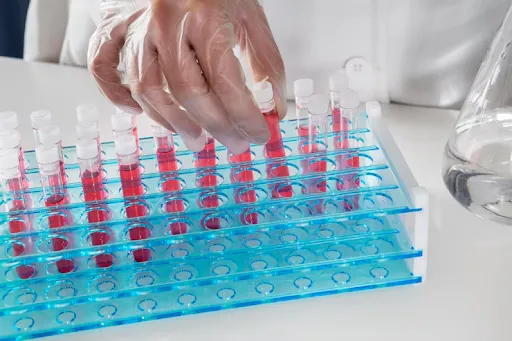
![Visual Placeholder: Photo of a high-tech cell processing center (CPC) inside a Japanese clinic, showing technicians in sterile suits processing samples]
Cost Comparison: Japan vs. China vs. Other Hubs
Japan commands a premium price reflecting its safety standards and high cost of living, yet remains competitive compared to the US, while China offers a mid-range option.
Understanding the cost structure is vital. While Turkey and Mexico offer the lowest global prices, they are primarily targeted at Western patients. For Chinese patients, the comparison is usually between staying home (China) or traveling to Japan.
Did You Know? Japan is the only country where "regenerative medicine" is a distinct legal category separate from drugs and devices, allowing for faster patient access to safe, approved therapies without waiting decades for standard drug trials.
The Patient Journey: From Beijing to Tokyo
The proximity allows for a seamless medical travel experience, often completed within a 3-4 day trip, supported by specialized medical visas.
For a patient from Shanghai or Beijing, Tokyo is a mere 3-hour flight away—closer than many domestic destinations in Western China. This proximity is crucial for patients who may need follow-up visits or who wish to avoid the fatigue of long-haul travel to Europe or the US.
Step-by-Step Process
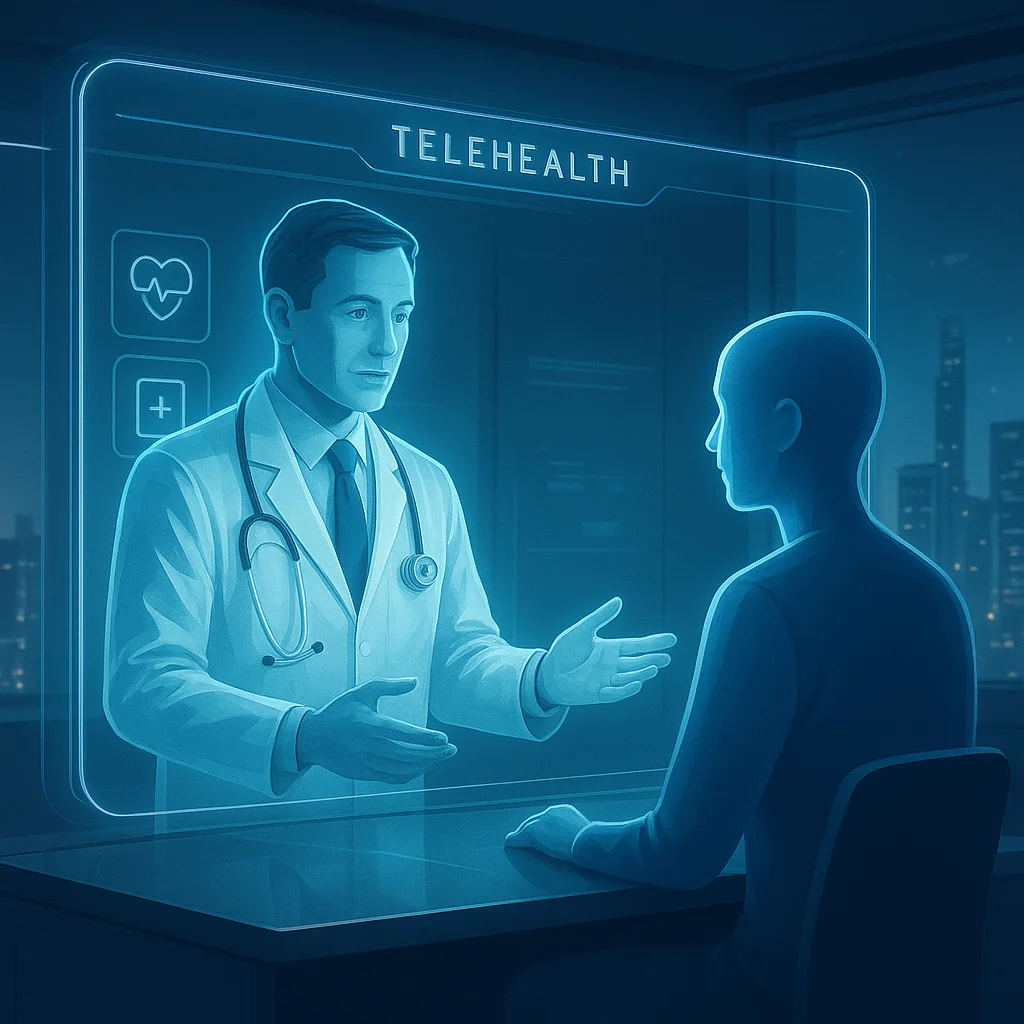
- Remote Consultation: Medical records are sent via WeChat or secure email to the Japanese clinic.
- Treatment Plan Approval: The doctor confirms candidacy and creates a personalized protocol.
- Medical Visa (Category B): Agencies like PlacidWay assist in securing the Medical Stay Visa, which allows for longer stays and accompanying family members.
- Arrival & Treatment:
- Day 1: Screening and health check.
- Day 2: Cell harvesting (if autologous) or infusion (if allogeneic/cultured).
- Day 3: Observation and sightseeing.
- Day 4: Return flight.
Candidacy and Success Rates
Not everyone is a candidate; Japanese doctors are known for their conservatism and will reject patients if the therapy is unlikely to succeed, building long-term trust.
Unlike clinics in some jurisdictions that promise cures for everything, Japanese specialists are legally bound to provide realistic prognoses.
- Ideal Candidates: Patients seeking anti-aging, joint repair, or management of stable chronic conditions.
- Exclusions: Active cancer patients (for stem cells), severe end-stage organ failure, or those with unmanaged infections.
- Success Metrics: Success is measured by specific biomarkers (e.g., HbA1c reduction for diabetes, increased range of motion for joints) rather than vague subjective feelings.
Strategic FAQ: People Also Ask
Common questions from Chinese patients considering medical tourism in Japan.
Is stem cell therapy legal in Japan for foreigners?
Yes. It is fully legal under the Act on the Safety of Regenerative Medicine. Foreign patients can receive the exact same therapies as Japanese citizens, provided the clinic holds the appropriate government license for that specific treatment.
How do I know if a Japanese clinic is legitimate?
Look for the License Number. Every approved clinic must have a unique notification number issued by the Ministry of Health, Labour and Welfare (MHLW). Legitimate providers will happily share this. Avoid any clinic that cannot produce this government registration.
Can I use my own cells or donor cells?
Both are available. Japan allows for autologous (your own fat or bone marrow) and allogeneic (donor, typically umbilical cord) therapies. Allogeneic cells are strictly screened and processed in government-approved labs to ensure safety and potency.
How long does the treatment take?
Typically 3 to 5 days. For autologous treatments requiring cell culture, two trips may be needed (one for harvest, one for infusion ~4 weeks later). For allogeneic treatments, a single trip of 3-4 days is sufficient.
Why is Japan more expensive than China?
Regulation and Quality Assurance. The premium cost covers rigorous safety testing, pharmaceutical-grade cell processing, and the strict legal compliance required by Japanese law. You are paying for the guarantee that the cells are pure, viable, and safe.
Will language be a barrier?
No. Top-tier clinics catering to international patients provide professional medical interpreters. Many clinics in Tokyo and Osaka have dedicated Chinese-speaking staff to handle everything from consultation to aftercare.
Ready to Experience the Gold Standard of Regenerative Care?
Stop guessing about safety and quality. Choose the destination where rigorous science meets world-class hospitality.
PlacidWay partners exclusively with Japanese clinics licensed under the Act on the Safety of Regenerative Medicine. We provide:
- Direct Access to top specialists in Tokyo and Osaka.
- Transparent Quotes with no hidden agency fees.
- Full Logistics Support, including medical visa assistance and translation.

























Sign in to leave a comment.