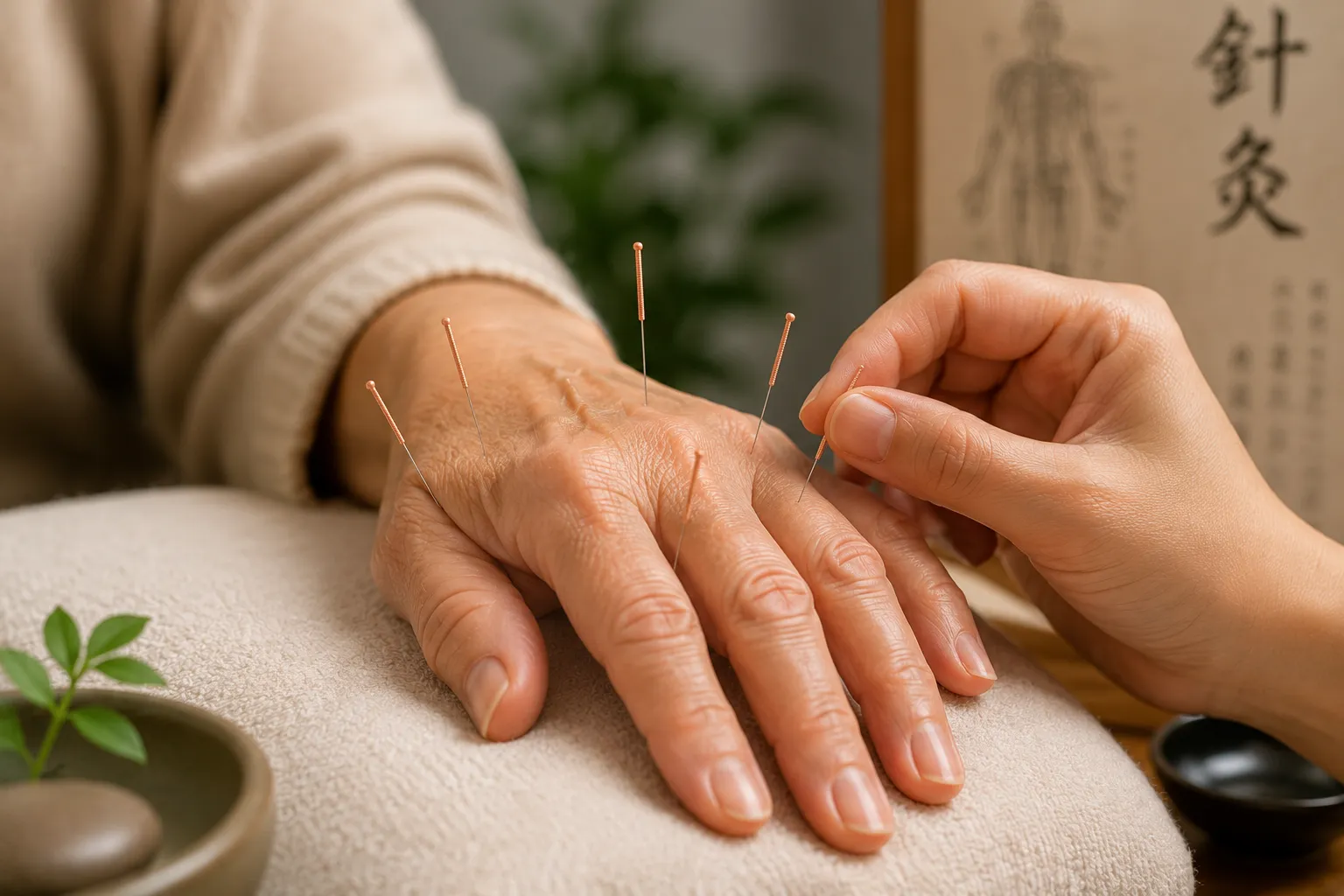

Arthritis pain can make simple movements feel harder than they should. Getting out of bed, walking across a room, or holding an object can become uncomfortable when joints feel stiff and tender.
If you want a gentle approach that supports your comfort without adding more complexity to your routine, acupuncture for arthritis pain can be worth exploring. This traditional technique uses very fine needles at specific points on the body and focuses on supporting your body's natural response to discomfort.
A Different Approach to Joint Discomfort
When you live with arthritis, you often look for ways to manage discomfort while maintaining your daily activities. Medication can be useful, but it may not be the only option you consider. Acupuncture gives you another approach that focuses on specific areas and overall body balance.
During a session, a trained practitioner places thin needles at selected points. The process generally feels mild, although you may notice a brief sensation when a needle enters the skin. The goal is to encourage responses within the nervous system that may help you feel more comfortable.
It May Support Pain Management
One reason you may consider acupuncture for arthritis pain is its potential role in pain management. Arthritis often involves ongoing joint discomfort, stiffness, and reduced mobility. These symptoms can affect how you move and how confidently you approach everyday tasks.
Acupuncture may influence the way your nervous system processes pain signals. This can help create a sense of relief for some people. Your response can vary, so it is important to view acupuncture as a complementary option rather than a guaranteed solution.
You May Notice Less Stiffness
Stiff joints can make your mornings especially challenging. You may feel reluctant to move because discomfort makes each motion seem demanding. A treatment approach that focuses on comfort and mobility can therefore become an appealing part of your wellness routine.
Acupuncture may help you feel more relaxed around areas affected by joint discomfort. When your body feels less tense, movement may become easier. You can also combine this approach with appropriate stretching, movement, and other care recommended for your needs.
It Can Complement an Active Lifestyle
If you stay active, joint pain does not always affect only your workouts. It can also influence walking, stretching, recreational activities, and other forms of movement. Acupuncture may fit into a broader strategy that helps you continue enjoying an active lifestyle.
For people managing muscle and joint discomfort connected to physical activity, acupuncture for sports injuries can also provide a complementary option. The focus can vary depending on your symptoms, activity level, and overall condition. A personalized assessment helps determine whether this approach fits your situation.
Relaxation Can Be Part of the Experience
Arthritis discomfort can affect more than your joints. Persistent discomfort may make you feel tense, frustrated, or less willing to move. A calm treatment setting gives you an opportunity to slow down and focus on your body.
The relaxation associated with an acupuncture session may become another reason you include it in your routine. Feeling more relaxed does not remove the underlying condition, but it can support a more comfortable experience while you manage your symptoms.
Your Treatment Can Focus on Your Needs
Arthritis does not affect everyone in exactly the same way. You may experience discomfort in your hands, knees, hips, shoulders, or other joints. Your symptoms may also change depending on your activity and daily routine.
For this reason, your acupuncture plan should reflect your individual needs. A practitioner can discuss your symptoms, medical history, and treatment goals before selecting appropriate points. This personalized approach helps keep the process focused rather than relying on a one-size-fits-all routine.
It May Help With Other Types of Pain
You may also consider acupuncture when discomfort occurs beyond arthritis-related joints. Neck tension, for example, can affect posture, movement, concentration, and everyday comfort. In suitable cases, acupuncture for neck pain may serve as another complementary option for managing discomfort.
Exploring different approaches can help you understand what supports your comfort most effectively. You can discuss your symptoms with a qualified healthcare professional before adding acupuncture to your care routine, particularly if you have an existing medical condition or take medication.
A Complementary Choice for Ongoing Care
Trying acupuncture does not mean replacing the care that already supports your arthritis. Instead, you can consider it as one part of a broader pain-management strategy. Your routine may also include appropriate physical activity, healthy habits, prescribed treatment, and guidance from healthcare professionals.
The key is to choose an approach that fits your needs and expectations. Regular communication with your healthcare team helps you make informed decisions about complementary therapies and keeps your overall care on track.
Conclusion
Living with arthritis does not mean you have to stop looking for ways to feel more comfortable and move with greater confidence. Acupuncture for arthritis pain offers a complementary approach that may support pain management, relaxation, and mobility for some people. When you combine it with suitable medical guidance and healthy daily habits, you can create a more balanced approach to managing joint discomfort.
























Sign in to leave a comment.