

People seek sex therapy for a number of reasons. They may be struggling with sexual dysfunction, a painful relationship or sexual trauma.
Sex therapists are psychiatrists, psychologists, marriage and family therapists or licensed social workers who have special training in handling sexual issues. They are not sex educators or counselors and do not perform sex on their clients.
Erectile Dysfunction
The embarrassment some men feel about erectile dysfunction can cause them to avoid seeing their doctor, which can delay the diagnosis and treatment of more serious medical conditions. ED can also be a forewarning sign of heart disease, diabetes, and other chronic diseases.
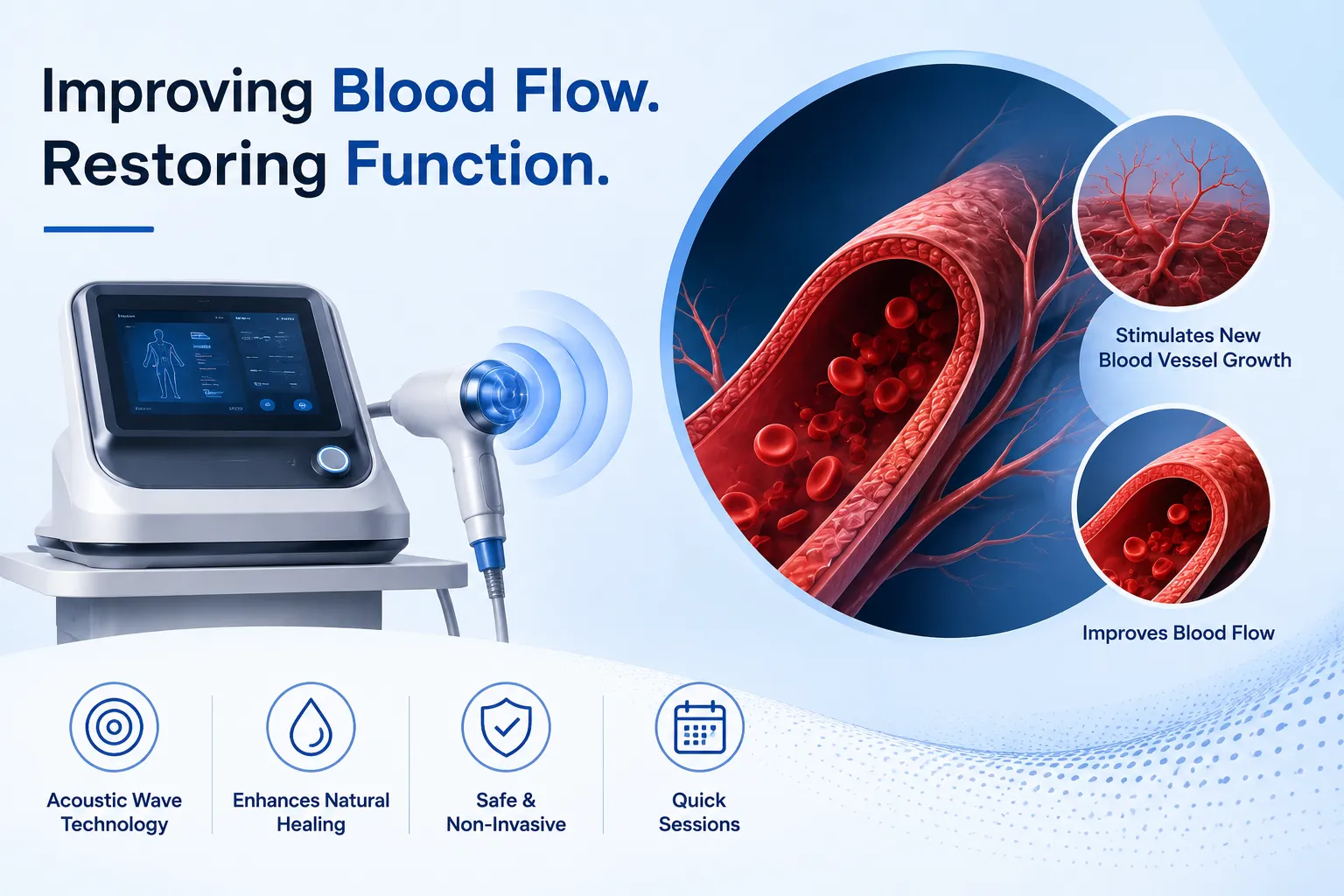
Sex Therapy addresses the underlying causes of erectile dysfunction (ED) by addressing psychological issues. These can include performance anxiety, relationship conflicts, or past traumas.
Psychosexual counselling is a type of talk therapy that typically involves both spouses or partners. It focuses on discussing expectations and emotions around sex, offering some sex education and the natural changes that occur with age, and improving communication and trust skills within the relationship. This therapy can be effective when it is combined with lifestyle changes and dedicated outside of sessions.
Orgasm Issues
A female’s inability to orgasm can cause emotional distress and problems in the relationship. Sex and intimacy counseling can help a woman vocalize these issues and gain sex education.
Women who can’t reach an orgasm may have a combination of physiological and psychological causes. A physician should perform a physical exam and obtain a patient’s history of medical, psychiatric, and sexual issues. Medications that can impair orgasmic response should also be evaluated.
The physician can recommend orgasm treatments that include foreplay, sex toys, and a change in the amount of sexual stimulation. This is often enough to bring about orgasm in 65 to 85 percent of cases. For some, however, more extensive treatment is needed to achieve orgasm. This might require sex therapy or marriage counseling.
Intimacy Issues
Intimacy issues can be difficult to discuss, but sex therapists understand that intimacy is a vital part of a relationship and will create a safe, comfortable space for you to share your concerns. They may ask you to describe your sexual history in detail, so it is best to come prepared and be honest.
They can help you identify and work through underlying issues that are hindering intimacy. They can also teach you and your partner how to communicate better about your sexual needs and desires, which will lead to a more fulfilling sex life.
A sex therapist will not engage in physical contact during sessions, but they can give you exercises to try at home. They may even offer a little-studied technique called surrogate partner therapy, in which they bring in a trusted third party to engage in a consensual therapeutic sexual relationship with the client.
Relationship Issues
Sex therapy can be a great way for couples to communicate more effectively and to learn about each other’s needs and wants around sexual intimacy. It’s important to find a therapist who has the right style for you and your partner. You can go alone to sex therapy (and many people do), but it’s usually better for couples to come in together, especially early on in the process.
During sessions, the therapist might give you practical exercises to try at home on your own or with your partner. This might include things like stroking your own body to help overcome performance anxiety, or techniques for improving orgasm during sex.
A good place to get a recommendation for a sex therapist is your primary care doctor, gynecologist or urologist. These professionals deal with these issues every day and may be able to point you in the right direction.
Jealousy
Jealousy is one of the most common mental health problems that impacts sex and intimacy. It can range from enviousness about a partner’s physical attractiveness to enviousness of their sexual fluidity or willingness to try new activities.
While jealousy may have served an evolutionary purpose in terms of solving critical reproductive quandaries for our ancestors, it no longer poses as much of a threat to current sexual success. Nevertheless, jealousy can be activated by even the most innocuous cues like someone else receiving a promotion that dramatically increases their mate value.
A therapist can help identify and manage jealous thoughts and feelings. They can teach their clients to stop the vicious cycle of anxiety and worry that leads to jealousy by helping them to identify triggers, reframe their beliefs and learn healthy ways to deal with those feelings when they arise.




























Sign in to leave a comment.