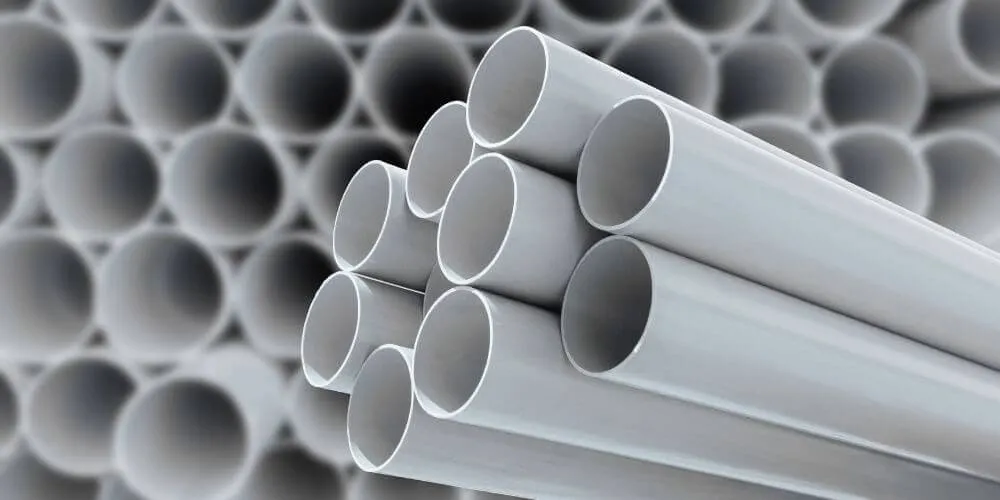

The Problem That Shows Up When the Temperature Drops
Cold weather doesn't break pipes randomly. It exposes weak points that were already there.If you've ever noticed a pipe turning brittle, developing hairline cracks, or snapping under light pressure during the colder months, that's usually a manufacturing problem — not a weather problem. Quality pipes hold up. Poorly made ones don't.The growing demand tied to PVC pipe manufacturing in Udaipur has brought a lot of new suppliers into the market, and the quality gap between them is real. Some cut corners on raw materials or skip proper quality checks. When temperatures fall in December and January, those shortcuts show up clearly.
What Actually Makes PVC Go Brittle in the Cold
PVC, by nature, becomes stiffer when it's cold. That's normal. But there's a difference between "stiffer" and "fragile."
The main culprits behind brittleness are:
Low-grade resin or recycled PVC content. Virgin PVC has predictable flexibility. Recycled or low-grade resin doesn't. Mixed or degraded material loses elasticity faster in the cold and cracks earlier than expected.
Wrong or low amounts of impact modifiers. Manufacturers add compounds like CPE (Chlorinated Polyethylene) or ACR (Acrylic Impact Modifier) to keep PVC from becoming brittle. If those aren't used at the right ratio, the pipe can't absorb stress in cold conditions. It just breaks.
Improper extrusion temperature during production. If the pipe isn't processed at the right temperature during manufacturing, its molecular structure doesn't form correctly. The result looks fine on the surface but has internal weaknesses that cold weather brings out.
Thin walls or inconsistent wall thickness. A pipe with uneven walls will crack at the thin spots first. This is often caused by poor calibration or rushed production — both common signs of low-cost manufacturing.
These are not rare edge cases. They're common issues in pipes that prioritize price over process.
Why Udaipur's Winter Conditions Make This More Noticeable
Udaipur doesn't get the deep freeze that northern India sees, but the temperature swings here matter. When nights drop to 8–12°C and pipes contract, then warm back up during the day, that expansion and contraction cycle puts real stress on the material.
Pipes buried in the ground or run along outdoor walls cycle through this every day through winter. A well-made pipe handles it without issue. A poorly compounded one starts showing stress fractures within a season or two — sometimes within weeks if the installation involved any pressure load.
Construction sites in Udaipur's growing outskirts, agriculture use in surrounding areas, and plumbing in commercial buildings all see this kind of thermal stress regularly. That makes material quality genuinely important here, not just on paper.
How to Tell Before You Buy
There are a few things worth checking before committing to a supplier.
Ask about the resin grade being used. ISI-marked pipes (IS 4985 for water supply or IS 1239 for other applications) should meet minimum standards, but ISI marking alone doesn't tell you about the formulation. Ask specifically about virgin vs recycled content.
Request batch test reports. Reputable manufacturers run impact resistance tests and hydrostatic pressure tests on batches. If a supplier can't produce recent test data, that's a meaningful signal.
Check wall thickness consistency. A simple physical check of a sample pipe — measuring wall thickness at multiple points — can tell you a lot about production quality control.
Talk to people who've used the pipes over at least one full winter cycle. Long-term site performance is the most honest test there is.
Why Trutuf Pipes Is Worth Considering
Trutuf Pipes uses virgin-grade PVC resin and manufactures with consistent extrusion controls. The impact modifier ratios are maintained to handle the kind of temperature variation Udaipur sees through winter without compromising wall integrity.
Pipes from Trutuf Pipes are ISI certified and carry documentation to back that up. For buyers who want to avoid the headache of replacing failed pipes mid-project or chasing down warranty claims, that consistency matters.
The company also works with local contractors directly, which means if you have questions about which grade suits your application — whether that's underground water supply, overhead plumbing, or agricultural use — you get a straight answer, not a sales pitch.
The Short Version
Brittleness in cold weather is almost always a manufacturing issue, not a weather issue. Low-grade resin, wrong additive ratios, uneven wall thickness, and poor extrusion control are all causes. Winter just makes them visible.
If you're sourcing pipes for construction or infrastructure in Udaipur, ask hard questions about what's inside the pipe, not just what's printed on the label. Quality PVC manufactured with the right standards holds up through every season.
Trutuf Pipes stands behind the consistency of its product through that kind of scrutiny. That's a reasonable place to start.
FAQs
Why do PVC pipes crack more in winter than summer? Cold temperatures reduce PVC's natural flexibility. If the pipe was made with low-quality resin or insufficient impact modifiers, it won't absorb stress well in the cold and cracks under normal pressure or movement.
Is all ISI-certified PVC pipe the same quality? No. ISI certification sets minimum standards, but manufacturers can still vary in resin grade, additive ratios, and production consistency. Certification is a baseline, not a guarantee of long-term durability.
Can a pipe look fine on the outside and still be poorly made? Yes. Internal molecular inconsistencies from poor extrusion temperatures or mixed resin content don't show on the surface. They show up as cracks or failures under pressure or temperature stress.
What's the difference between virgin PVC and recycled PVC in pipe manufacturing? Virgin PVC has a consistent chemical structure that behaves predictably under stress and temperature variation. Recycled PVC may contain degraded or mixed polymers that reduce flexibility and impact resistance, especially in cold conditions.
How do I verify pipe quality before purchasing from a supplier? Ask for batch test reports covering hydrostatic pressure and impact resistance. Check for ISI certification with a visible license number. Request information on resin grade. If possible, get references from sites that used the pipes through at least one winter.

























Sign in to leave a comment.