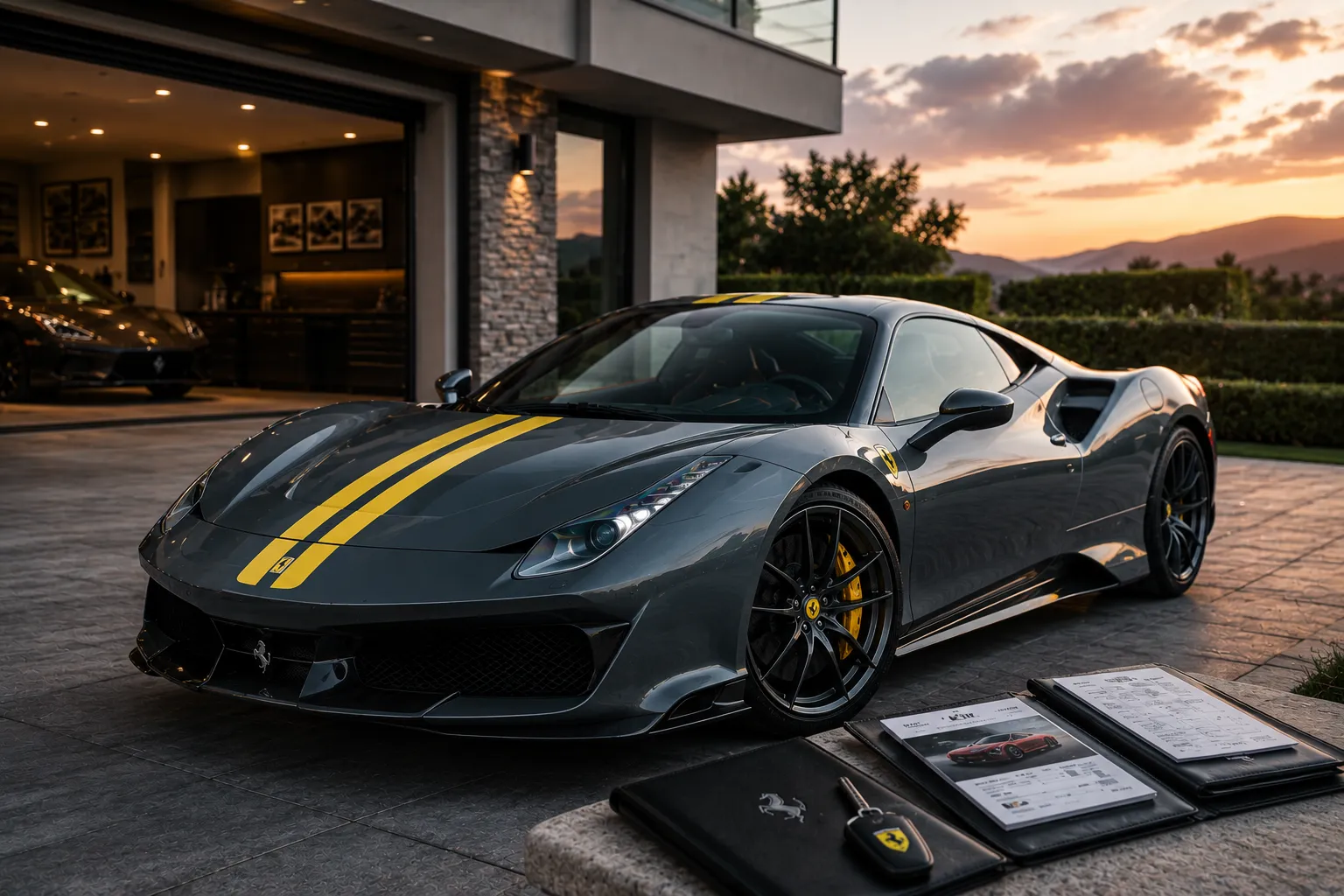

Few performance vehicles generate as much excitement among enthusiasts and collectors as Porsche GT cars. While Porsche produces a wide range of highly respected sports cars, the GT division occupies a unique position within the automotive world. Models such as the GT3, GT3 RS, GT2 RS, and Cayman GT4 have built reputations that extend far beyond performance figures and lap times.
What makes these cars particularly interesting is that their appeal continues long after they leave the showroom. Years after production ends, buyers still compete for well-maintained examples, collector demand remains strong, and many models continue attracting attention at auctions, enthusiast events, and specialty dealerships.
The reason goes much deeper than horsepower.
Porsche GT cars are built with a different philosophy
Most performance cars are designed to balance speed, comfort, technology, and everyday usability. Porsche GT cars approach the formula differently.
The GT division was created with motorsport as its foundation. Engineers focus heavily on driver engagement, precision handling, weight reduction, aerodynamics, and track capability. The result is a vehicle that feels connected to Porsche's racing heritage rather than simply being a faster version of a standard production model.
This distinction matters to enthusiasts because the driving experience becomes a major part of the car's identity. Buyers are not simply purchasing transportation. They are buying a machine developed with a clear purpose and a direct connection to Porsche's motorsport program.
Information published through Porsche Newsroom frequently highlights how GT development remains closely linked to racing technology and engineering principles developed on the track.
Limited availability increases demand
One of the biggest reasons Porsche GT cars attract collector attention is availability.
Unlike many standard production sports cars, GT models are not produced in unlimited quantities. Allocations are often restricted, waiting lists can be long, and demand regularly exceeds supply. This creates a situation where buyers may spend months or even years searching for a specific configuration.
Scarcity naturally attracts collector interest because it reduces the number of opportunities available in the market. When production ends, buyers must compete for existing examples rather than ordering a new one from the factory.
This dynamic helps explain why certain GT models maintain strong demand even when newer generations are introduced.
The driving experience remains difficult to replace
Many high-performance vehicles deliver impressive acceleration numbers. Porsche GT cars attract enthusiasts because they offer something more difficult to measure.
Steering feel, chassis balance, braking performance, driver feedback, and overall engagement often become the qualities owners discuss most. These characteristics create emotional attachment that extends beyond specifications.
Collectors frequently describe memorable driving experiences as one of the reasons they continue pursuing GT models years after production ends. The experience becomes part of the vehicle's value because it cannot be replicated easily by newer technology or additional horsepower alone.
This is particularly important as the automotive industry continues moving toward electrification and increasing automation. Many enthusiasts see naturally aspirated GT models as representing a driving experience that may become increasingly rare in the future.
Factory specifications matter
Not all Porsche GT cars are viewed equally in the collector market.
Certain specifications attract stronger interest because buyers often search for specific combinations of options, colors, transmissions, and production years. Factory originality usually plays an important role because collectors prefer vehicles that remain close to their original configuration.
Special paint colors, manual transmissions, carbon fiber packages, lightweight options, and low production variants frequently attract additional attention. These details may appear minor to casual observers, but they can influence desirability significantly among enthusiasts familiar with the market.
The collector world often rewards vehicles that remain true to their factory specifications, particularly when documentation and maintenance history are also available.
Motorsport heritage continues to influence value
Porsche has one of the strongest racing histories in the automotive industry, and GT models benefit directly from that legacy.
Many buyers appreciate the fact that these cars feel connected to the same engineering principles that have contributed to Porsche's success in endurance racing and motorsport competition. That connection creates a sense of authenticity that extends beyond marketing.
Collector demand often follows vehicles with strong heritage because buyers understand the story behind the machine. A GT3 or GT3 RS represents more than a model designation. It represents decades of engineering development, racing experience, and enthusiast culture.
Market activity tracked through Bring a Trailer continues to demonstrate how well-documented GT models attract strong attention from enthusiasts looking for vehicles with both performance credentials and collector appeal.
Enthusiast communities help sustain demand
Another factor separating Porsche GT cars from many other performance vehicles is the strength of the enthusiast community surrounding them.
Owners participate in driving events, track days, collector gatherings, automotive forums, and Porsche-focused clubs around the world. These communities help preserve interest in GT models long after production ends and create a network of buyers who understand the significance of specific vehicles.
Strong communities often contribute to stronger long-term demand because knowledge and enthusiasm continue circulating among collectors and future buyers.
This ongoing interest helps explain why many GT cars remain desirable even as the automotive landscape changes.
Finding the right Porsche GT model
For buyers interested in Porsche GT cars, the search often involves more than choosing a model. Production year, specification, maintenance history, ownership records, and factory options can all influence desirability.
Working with specialists who understand luxury and performance vehicles can help buyers navigate the market more effectively. Enthusiasts exploring premium Porsche inventory can browse available vehicles through Coast To Coast Imports, where luxury, exotic, and collector vehicles are regularly featured.
FAQs
What are Porsche GT cars?
Porsche GT cars are high-performance models developed by Porsche's GT division, including vehicles such as the GT3, GT3 RS, GT2 RS, and Cayman GT4.
Why are Porsche GT cars popular with collectors?
Collectors are attracted by limited availability, motorsport heritage, driving experience, and long-term enthusiast demand.
Do Porsche GT cars hold their value well?
Many GT models maintain strong demand because production is limited and enthusiast interest remains active.
Are manual Porsche GT cars more collectible?
In many cases, manual transmission GT models attract additional collector attention because of their rarity and driver-focused experience.
What should buyers look for when purchasing a Porsche GT car?
Maintenance history, factory specifications, ownership records, mileage, condition, and originality are all important factors.






















Sign in to leave a comment.