

Smartphones have changed the way people capture and share their lives. From holidays and birthdays to business launches and casual moments with friends, nearly everyone now carries a camera in their pocket. Social media platforms have also encouraged a culture of instant content, where photos are uploaded within seconds and quickly replaced by the next update.
Despite this shift, professional photography continues to hold an important place in both personal and professional settings. While smartphone cameras have improved dramatically, there are still meaningful differences between taking a quick photo and creating an image that tells a story, captures emotion, or leaves a lasting impression.
Whether it is for a wedding, business branding, family portrait, or milestone celebration, professional photography remains valuable because it combines technical skill, creativity, and human connection in a way that technology alone cannot fully replace.
Many creatives and businesses featured on platforms like WriteUpCafe Post Story continue to highlight the growing importance of strong visual storytelling in today’s digital world.
The Difference Between Taking a Photo and Telling a Story
Most smartphone photos are designed for speed and convenience. They help people quickly capture everyday moments without needing specialised knowledge or equipment. This convenience has made photography more accessible than ever before, which is a positive development in many ways.
However, professional photography is often about far more than simply documenting what happened. It focuses on storytelling, atmosphere, timing, and emotion.
A professional photographer carefully considers elements such as:
- Lighting
- Composition
- Perspective
- Background details
- Subject positioning
- Mood and emotion
These factors work together to create images that feel meaningful rather than disposable.
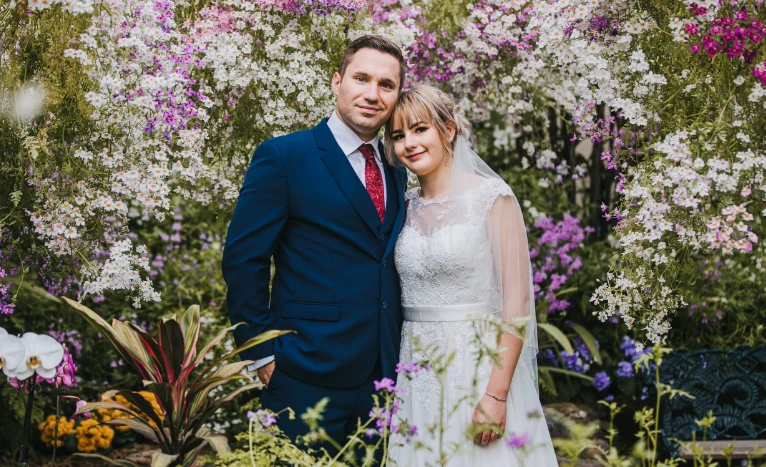
For example, a wedding photo taken casually on a phone may capture the event itself, but a professionally composed image may preserve the emotion of the moment in a way that feels timeless years later. Similarly, business photography is not simply about showing a product or person. It is about communicating identity, trust, professionalism, and personality through visual storytelling.
This growing focus on storytelling is also discussed across creative writing and content communities such as WriteUpCafe Storytelling Articles, where creators often explore how visual and written narratives work together to create stronger engagement.
Professional Photography Offers Technical Advantages
Modern smartphones are impressive, but professional photography still benefits from a level of technical control that mobile devices may struggle to replicate consistently.
Professional photographers understand how to adapt to different environments and lighting conditions. They know how to work around harsh sunlight, dim indoor spaces, weather changes, movement, and crowded settings. This knowledge becomes especially important during live events where moments cannot be recreated.
Professional cameras and lenses also offer advantages such as:
- Greater image clarity
- Better low-light performance
- More natural depth of field
- Improved colour accuracy
- Higher-resolution files suitable for print
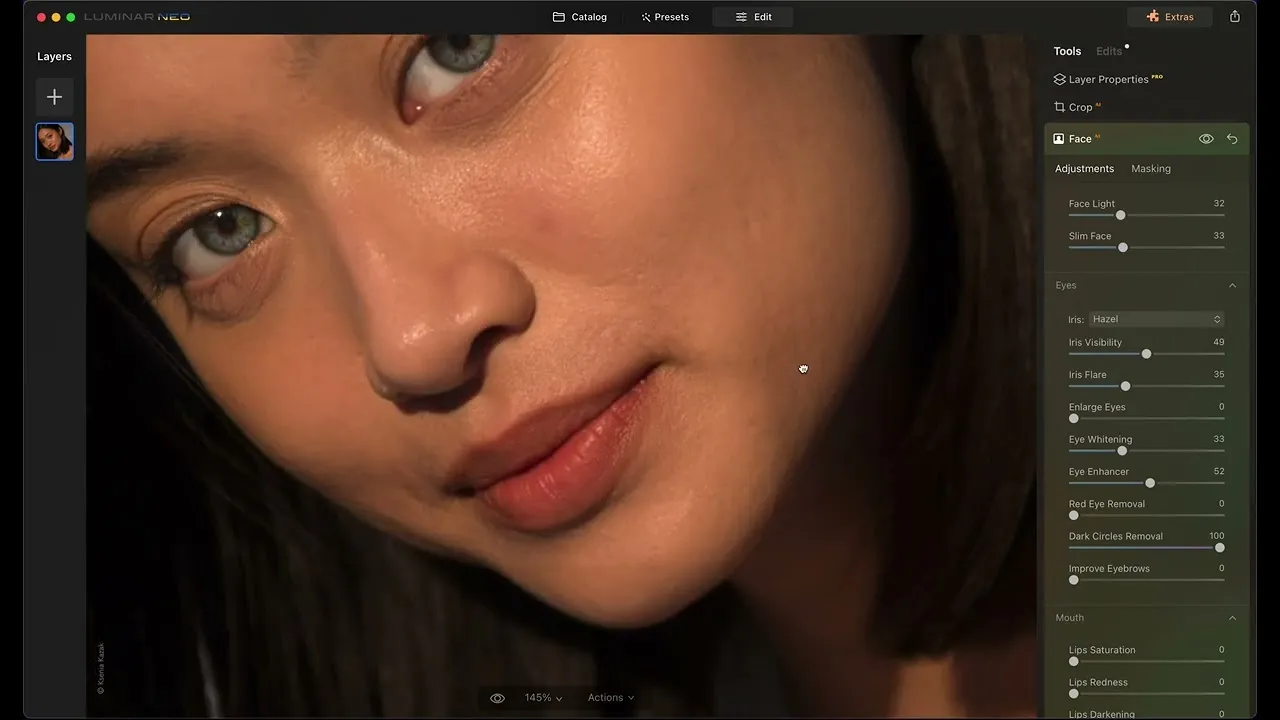
Beyond the equipment itself, editing and post-production also play a major role. Professional editing may enhance colour balance, remove distractions, improve composition, and create a consistent visual style without making images appear artificial.
An experienced photographer also knows how to make subjects feel comfortable. This often results in more natural expressions and genuine moments that feel authentic rather than staged.
Photographers such as Jordy's Photography demonstrate how professional photography blends technical expertise with creative direction to create imagery that feels polished while still maintaining authenticity.
Why Businesses Still Invest in Professional Photography
In an increasingly digital marketplace, visuals are often the first impression a business makes. Websites, social media pages, online advertisements, and marketing materials all rely heavily on strong imagery to capture attention and build trust.
While smartphone photos may work for casual updates, businesses often turn to professional photography when they want to present a more refined and credible image.
Professional business photography may include:
- Team portraits
- Branding sessions
- Product photography
- Corporate events
- Architectural imagery
- Behind-the-scenes content
High-quality imagery helps businesses appear more trustworthy and established. It also creates consistency across digital platforms, which may strengthen brand recognition over time.
Consumers are becoming increasingly visually aware due to platforms like Instagram, TikTok, and Pinterest. As a result, businesses are often judged within seconds based on the quality of their visual presentation.
Authentic photography also tends to perform better than generic stock imagery because it reflects real people, products, and experiences. Customers are often more likely to connect with businesses that feel genuine and relatable.
Discussions around branding and online presence regularly appear across publishing communities such as WriteUpCafe Creative Content Hub, where creators and marketers explore how visual identity shapes audience perception.
Professional Photography Preserves Important Life Moments
One reason professional photography continues to remain relevant is emotional value.
Certain moments in life only happen once. Weddings, engagements, graduations, anniversaries, family portraits, and newborn sessions often carry deep personal meaning. While smartphone images may capture fragments of these experiences, professionally photographed moments are often designed to become long-term keepsakes.
Many families print and frame professional photographs, place them into albums, or pass them down through generations. These images become part of a family’s visual history.
Professional photographers also tend to notice small emotional details that others may miss. A quick glance between family members, an emotional reaction during a ceremony, or a quiet candid interaction may become some of the most treasured images over time.
Years later, professionally captured photos often gain emotional significance because they preserve memories with clarity and intention.
Social Media Has Increased the Demand for Quality Imagery
Interestingly, the rise of smartphone culture and social media may have actually increased appreciation for professional photography rather than replacing it entirely.
As people consume more visual content online, expectations surrounding image quality have also increased. Audiences now recognise the difference between rushed content and thoughtfully created visuals.
This shift has influenced industries such as:
- Hospitality
- Fashion
- Real estate
- Personal branding
- Events
- Tourism
- Health and wellness
Professional photography is now commonly used to create content for websites, social media campaigns, digital advertising, and promotional materials.
At the same time, photography trends have become more natural and authentic. Many clients now prefer candid, lifestyle-focused imagery rather than heavily posed photos. This style still requires professional direction and technical skill, but it creates results that feel more genuine and emotionally engaging.
Professional photographers are often able to strike a balance between polished quality and natural authenticity, which is something many businesses and individuals continue to value.
Choosing the Right Professional Photographer
Finding the right photographer involves more than simply comparing prices or equipment. Style, communication, and creative compatibility all play important roles.
When choosing a professional photographer, people often consider:
- Portfolio quality
- Editing style
- Experience within a specific niche
- Communication skills
- Ability to make subjects feel comfortable
- Reviews and recommendations
Every photographer has a different creative approach. Some focus on documentary-style storytelling, while others may specialise in editorial, commercial, or artistic imagery.
A good photographer also spends significant time preparing, planning, editing, and refining images after the shoot itself. Much of the work happens behind the scenes and contributes to the final quality of the photographs.
This attention to detail is one reason professional photography continues to remain relevant despite the convenience of smartphone cameras.
Conclusion
Smartphones have made photography more accessible and immediate than ever before, and they play an important role in everyday communication and memory keeping. However, professional photography continues to offer something deeper.
It combines creativity, storytelling, technical knowledge, and emotional awareness to create images that feel intentional and lasting. Whether for personal milestones or professional branding, professionally captured imagery often carries a level of meaning and quality that quick mobile snapshots may not fully achieve.
As visual content continues to shape how people connect, communicate, and remember important moments, professional photography is likely to remain an important part of both personal and professional life.






























Sign in to leave a comment.