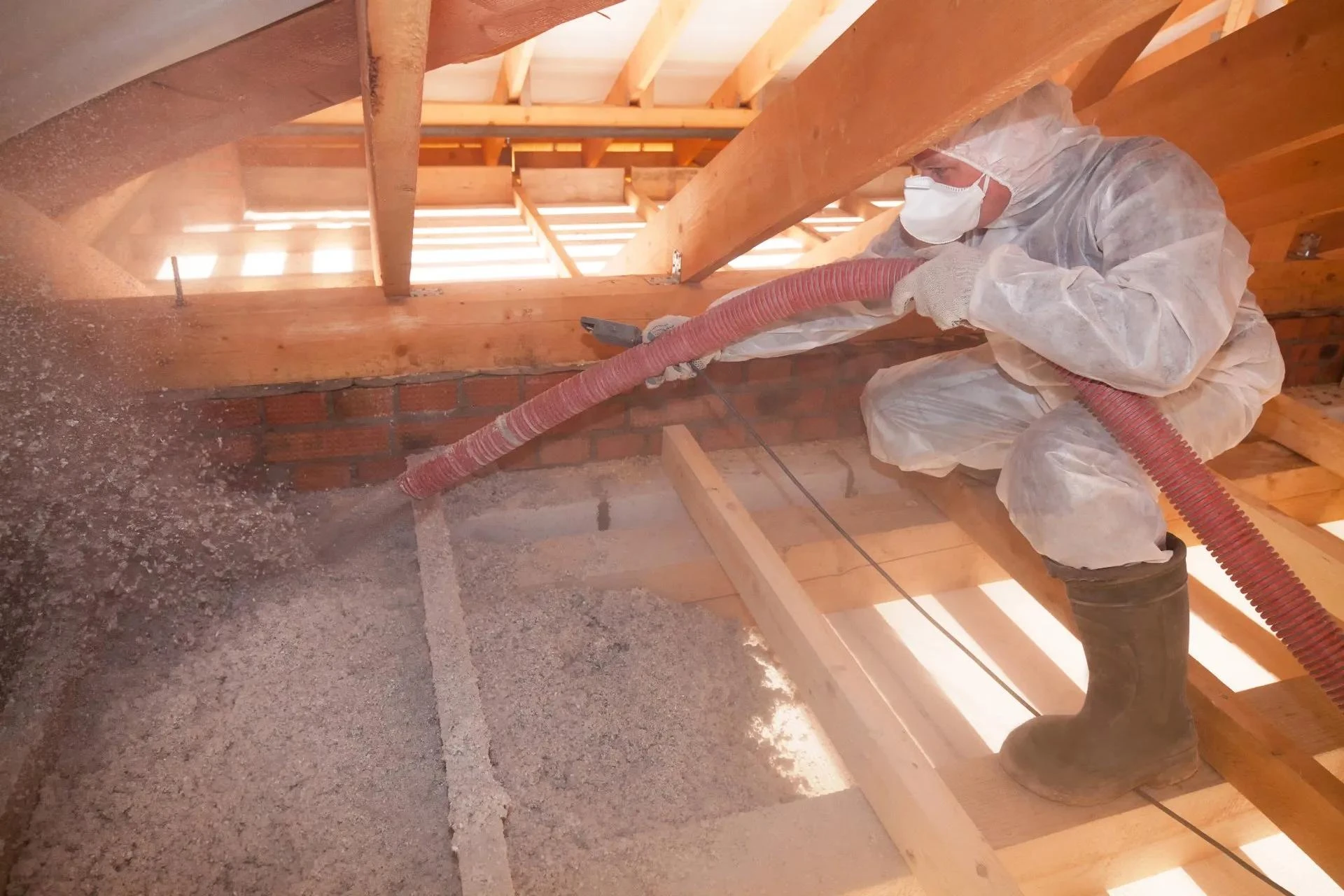

Attic spray foam insulation provides a superior thermal barrier compared to traditional materials like fiberglass or cellulose by creating a complete air seal. While older products only slow down heat movement, properly applied foam stops the airflow that carries heat into or out of a home. This dual action effectively addresses the two primary causes of energy loss in residential attics.
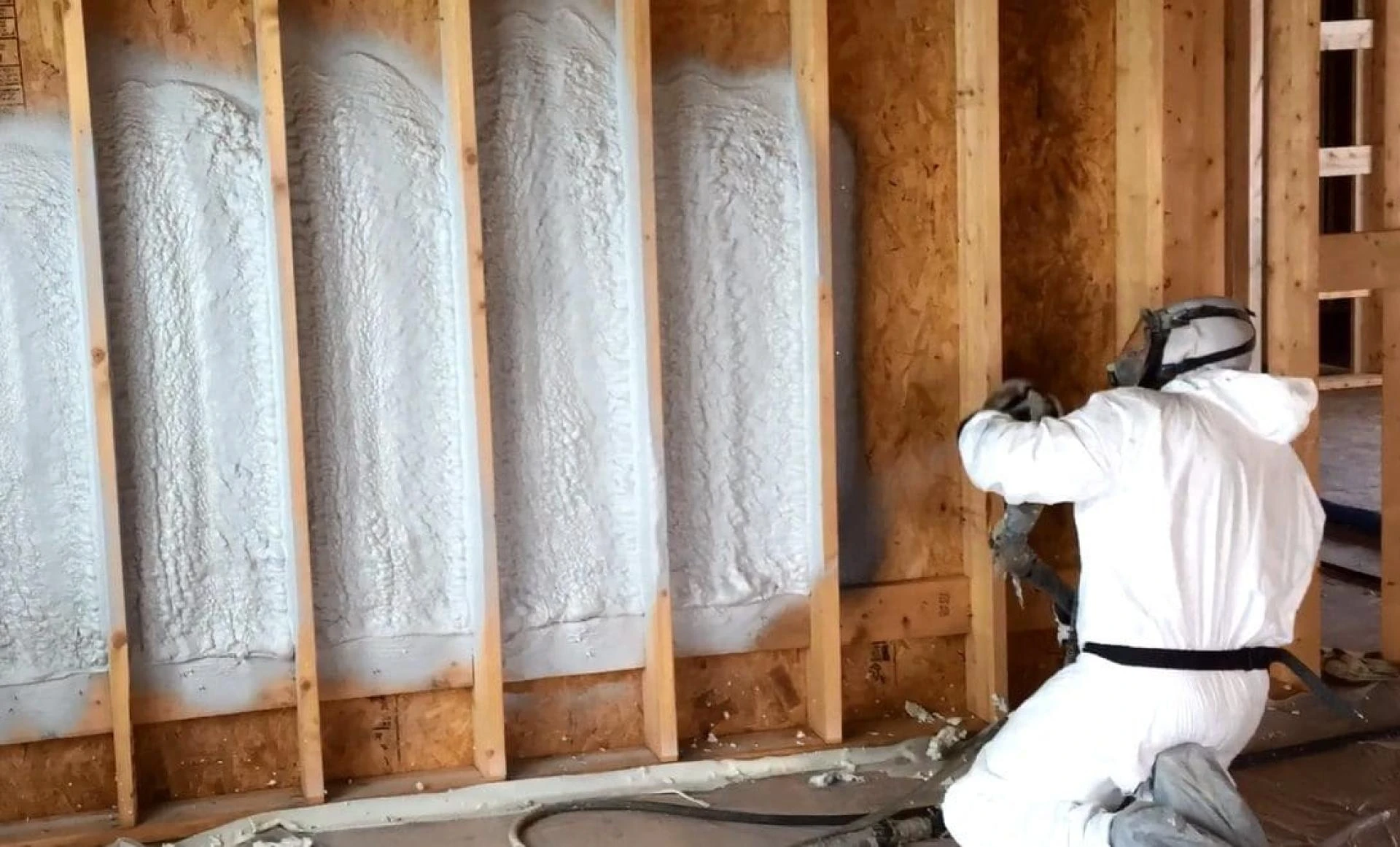
Professional Attic spray foam insulation ensures that the material bonds directly to the building structure, eliminating the gaps and voids where heat typically escapes. This modern approach keeps the attic temperature much closer to the indoor climate, reducing the workload on heating and cooling systems. The long term results include lower monthly utility bills and a more consistent indoor environment for the occupants.
Emma Robinson notes that most attic efficiency problems stem from air leaks around light fixtures and plumbing stacks that older materials cannot seal. Her industry knowledge suggests that addressing these hidden gaps is the most effective way to improve home performance. Spray foam remains the only product that provides both high thermal resistance and a permanent air barrier in a single application.
The Superior Mechanics of Air Sealing and Insulation
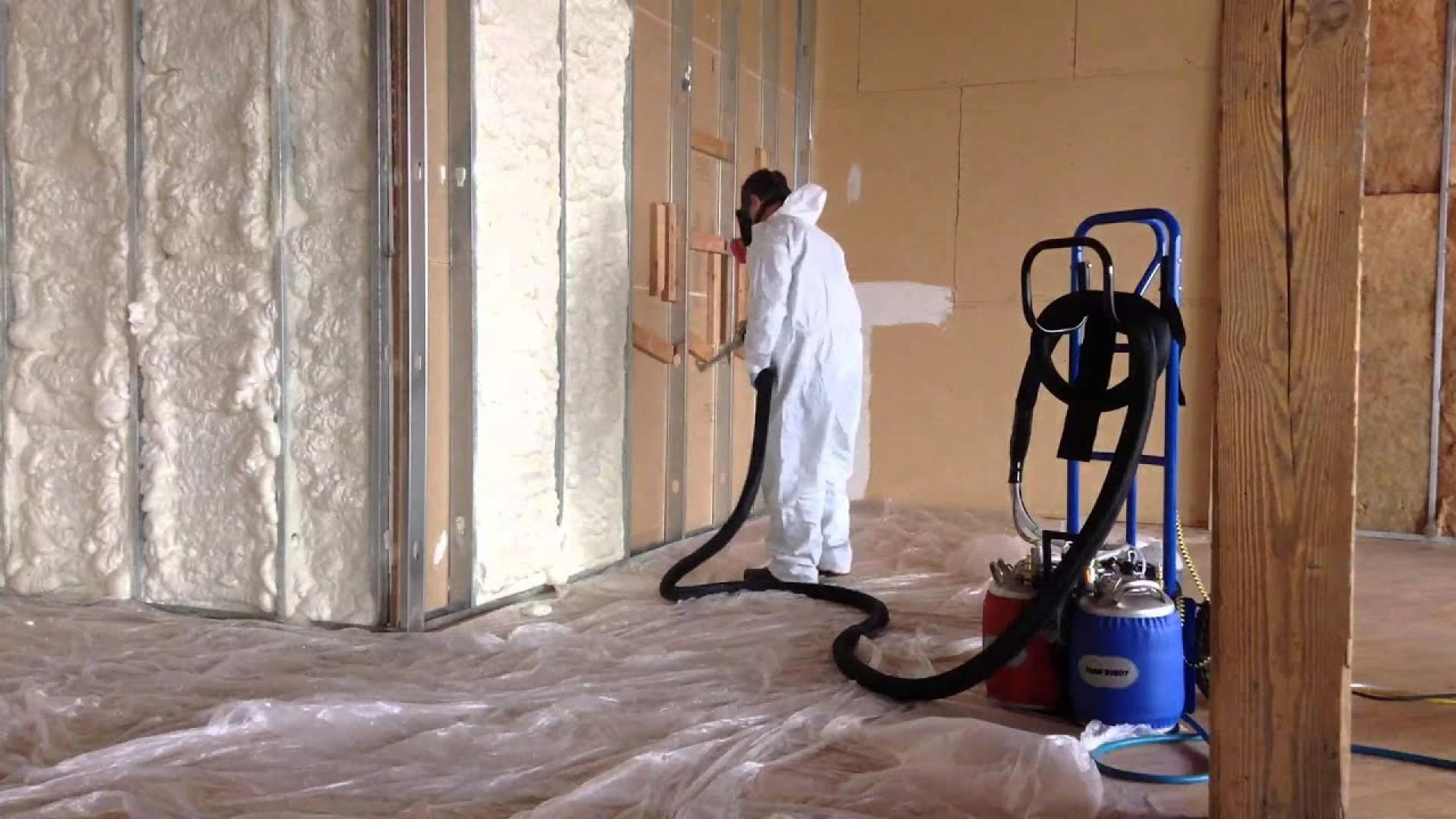
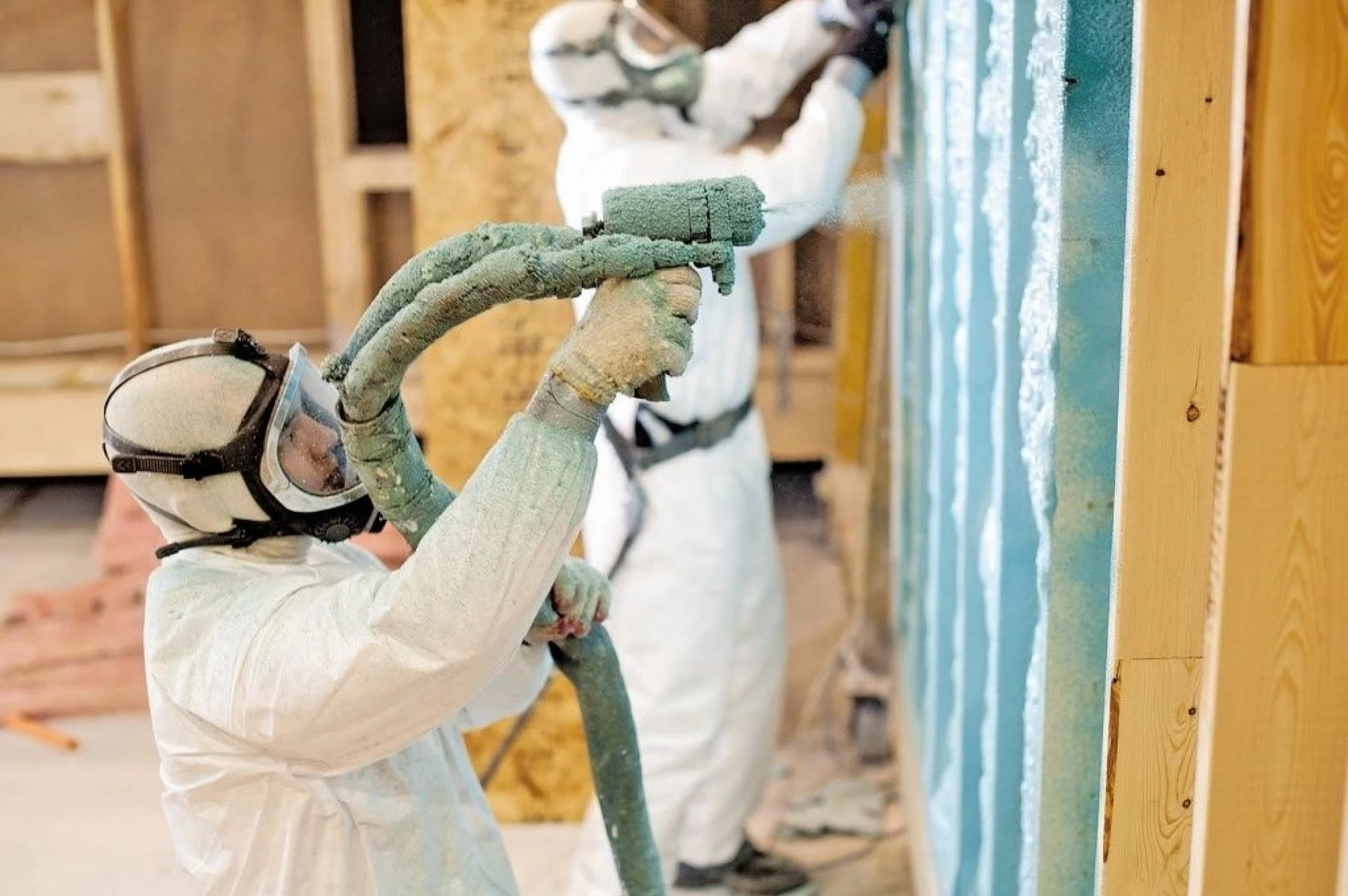
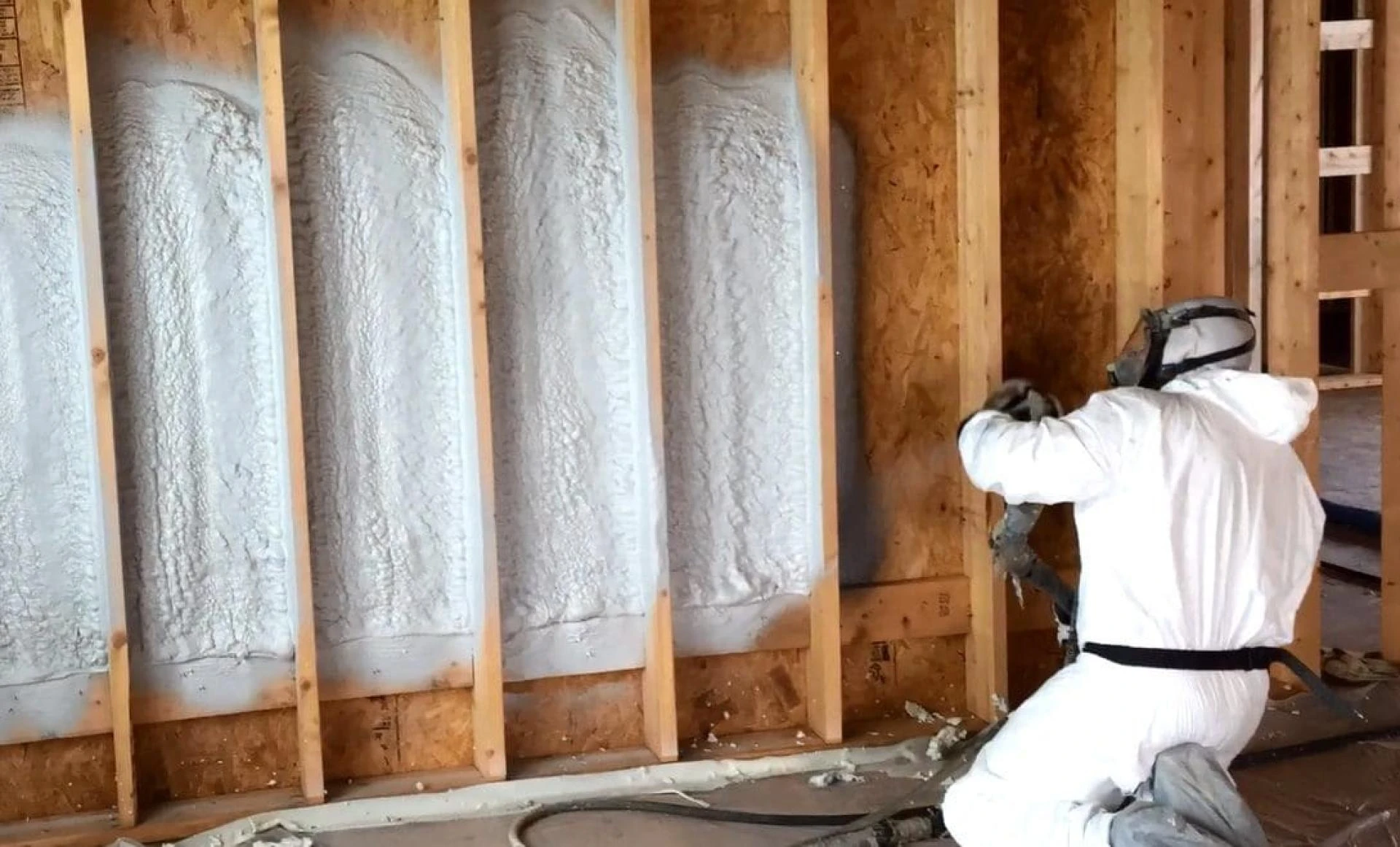
Modern spray foam works differently than the bulky rolls of fiberglass seen in older homes. When the liquid material is sprayed into the attic, it expands rapidly to fill every crack and crevice. This expansion creates a monolithic layer that blocks heat transfer through conduction, convection, and radiation.

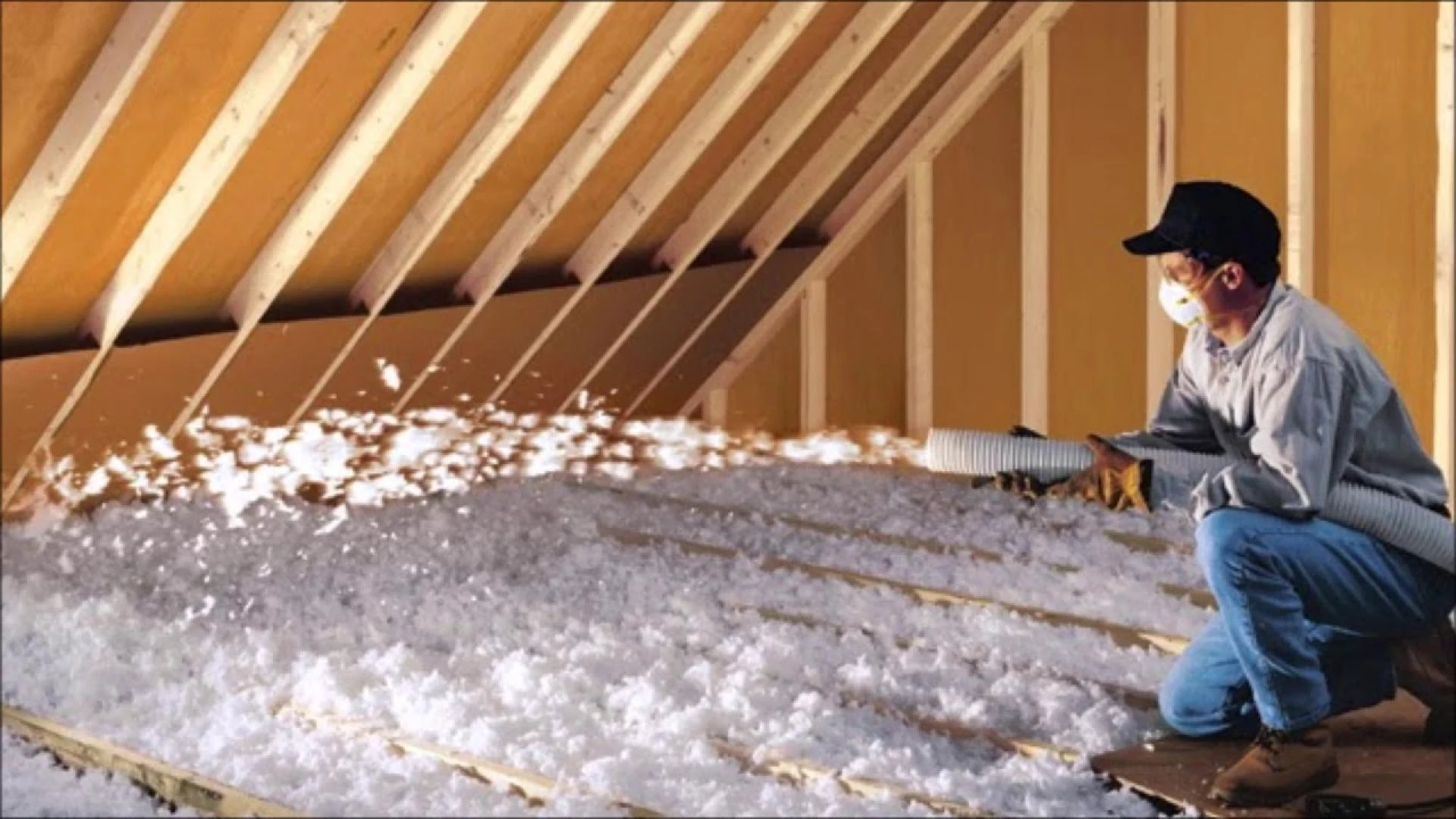
Older materials are porous and allow air to pass through them, which significantly reduces their effective R-value over time. In contrast, spray foam creates a solid barrier that prevents "wind-washing," a common problem where outdoor air blows through traditional insulation. This characteristic is particularly important in regions with high winds or extreme temperature shifts.
- The material fills small gaps around electrical wires and recessed lighting that fiberglass often misses.
- It bonds to the underside of the roof deck, allowing for the creation of a conditioned attic space.
- The airtight seal prevents the chimney effect, where warm air escapes through the top of the house.
- High-performance foam does not sag or pull away from the framing as it ages.
Thermal Performance in High Temperature Climates
In areas like Fresno, attic temperatures can reach well over 130 degrees during the summer months. Older materials struggle to block this intense radiant heat, allowing it to soak into the ceiling and heat the living spaces below. Spray foam reflects and blocks this heat much more effectively, keeping the home cooler without running the air conditioner constantly.
Managing Heat Gain Through Conduction
Conduction occurs when heat moves through solid materials like the wooden rafters and ceiling joists. Spray foam provides a continuous layer of protection that covers these structural elements. This reduces the thermal bridging that often allows heat to bypass traditional insulation layers.
Bonus Tip Use Light Colored Roofing
Pairing attic insulation with light colored shingles or reflective coatings can further reduce the heat load on the home. This combination allows the insulation to perform even better by stopping the heat before it ever reaches the attic space. It is a simple way to extend the life of the insulation and the roof structure.
Long Term Stability and Material Durability
One of the biggest failures of older insulation materials is their tendency to settle or compress over several years. Cellulose can lose a significant portion of its depth, leading to a direct drop in thermal protection. Spray foam is a rigid material that maintains its original thickness and shape for the life of the building.
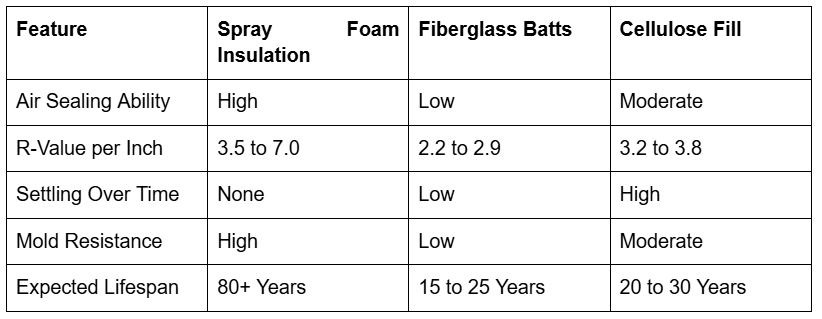
Market data shows that air leakage accounts for nearly 40% of a typical home's energy loss. Because spray foam addresses this leakage directly, it offers a much faster return on investment than simply adding more fiberglass. Experts estimate that a properly sealed attic can reduce heating and cooling costs by 15% or more annually.
Resistance to Moisture and Biological Growth
Older attic materials can act like a sponge, trapping moisture from roof leaks or indoor humidity. This damp environment often leads to mold growth and the eventual rot of the wooden roof deck. Closed-cell spray foam is moisture-resistant and does not provide a food source for mold or pests.
Protecting the Roof Structure
By keeping moisture away from the wood, spray foam helps preserve the structural integrity of the house. It also adds a level of wind uplift resistance to the roof deck during severe weather. This added strength is a secondary benefit that traditional loose-fill materials cannot provide.
Bonus Tip Monitor Humidity Levels
Even with great insulation, homeowners should ensure their home has proper moisture control. Using exhaust fans in bathrooms and kitchens prevents indoor humidity from rising into the attic area. This keeps the entire building envelope dry and healthy for the long term.
Technical Note on Curing Times
Professional installers always allow the foam to cure completely before occupants return to the area. This process usually takes about twenty-four hours and ensures the material is stable and inert. Proper ventilation during this period is a standard part of a high-quality installation service.
Things to Consider Before Making a Decision
Upgrading attic insulation is a significant project that requires careful planning and the right professional partner. Homeowners should look at the current condition of their attic and identify any existing problems like pest infestations or old roof leaks. Removing old, dirty insulation is often the first step toward a successful modern upgrade.
- Check if the attic needs the old material removed to ensure the foam bonds correctly to the surface.
- Determine if a vented or unvented attic design is best for the specific architecture of the home.
- Ensure that any recessed lighting is rated for contact with insulation materials.
- Consider the long term energy savings rather than just the initial price of the service.
Why Homeowners Ask About Attic Upgrades
Is spray foam insulation safe for older homes?
Yes, spray foam is actually an excellent choice for older homes because it helps strengthen the aging structure. It fills the irregular gaps often found in older construction that are difficult to seal with standard materials. Most professionals can apply it safely after a brief inspection of the framing.
How much does it cost to upgrade an attic in Fresno?
The cost depends on the size of the attic and the thickness of the foam required to meet local energy codes. While the initial price is higher than fiberglass, the monthly savings on cooling bills in the Central Valley often make up for the difference within a few years.
Will I need to add more ventilation to my attic?
If the foam is applied to the roof deck to create an unvented attic, traditional vents are usually closed off. This changes how the house breathes and can actually improve indoor air quality by keeping out dust and pollen. A professional contractor can explain the best ventilation strategy for each specific house.
Does spray foam insulation have an odor?
During the application, there is a distinct chemical smell, but this disappears completely once the foam has cured. Within twenty-four to forty-eight hours, the attic should be completely odorless and safe for normal use. High-quality contractors use powerful fans to clear the air during the process.
Can spray foam help reduce outdoor noise?
Yes, the dense structure of the foam is excellent at dampening sound waves from sirens, traffic, and airplanes. Homeowners often notice a much quieter indoor environment immediately after the installation is finished. This is an added benefit for homes located near busy streets or airports.
Summary of Modern Insulation Benefits
Switching from older materials to spray foam is a practical way to modernize a home's efficiency. The combination of high thermal resistance and a permanent air seal makes it the most effective product available today. By choosing professional installation, property owners can protect their structure from heat, moisture, and air leaks for decades. While the project requires a larger initial investment, the long term comfort and utility savings provide a substantial return.
Professional Attic Services in Fresno
Improving the efficiency of a home requires the right materials and expert application. Supreme Spray Foam – Fresno provides the high-quality services necessary to seal attics and reduce energy waste for local residents. They help homeowners evaluate their specific needs and install durable foam solutions that stand up to the local heat. For a detailed assessment or to start a project, they can be reached at (559) 545-0800 or via email at [email protected]. Contacting these professionals is the first step toward a more comfortable and cost-effective home.
Reviewer: Emma Robinson contributed her knowledge from 8 years of working in the spray foam industry. Her review helped shape this content, grounded in what contractors and homeowners actually value.



























Sign in to leave a comment.