
Women are often told to check their breasts, but many are unsure about when to start or how often to do it. The truth is that screening saves lives. When problems are found early, the chances of successful treatment go up. This is true whether someone is in their thirties, forties, or older. Taking steps now can make a real difference later.
What Happens During a Screening?
A Mammogram is a type of X-ray that takes pictures of the breast tissue. These images allow health workers to see lumps, growths, or anything unusual that may not be felt by hand. The process is quick and usually takes about 20 minutes. Most women feel some pressure or mild discomfort, but it passes fast.
For those wondering where to go, typing “Mammogram near me” into a search engine is a good starting point. This helps women find a clinic close to home, making it easier to book and attend their appointment without too much hassle.
Why Early Detection Counts
Breast Cancer can develop without warning signs. A woman might feel healthy and have no symptoms at all. This is why screening is so powerful. It can catch problems before they become serious. When found early, treatment options are often less intense and more effective. Many women who catch issues in the beginning stages go on to live full, healthy lives.
There is a common fear around screening results. Some women avoid appointments because they are scared of bad news. But knowing is better than not knowing. If something is found, acting quickly gives the best chance of recovery. If nothing is found, the peace of mind is worth the visit.
The Role of Self-Checks
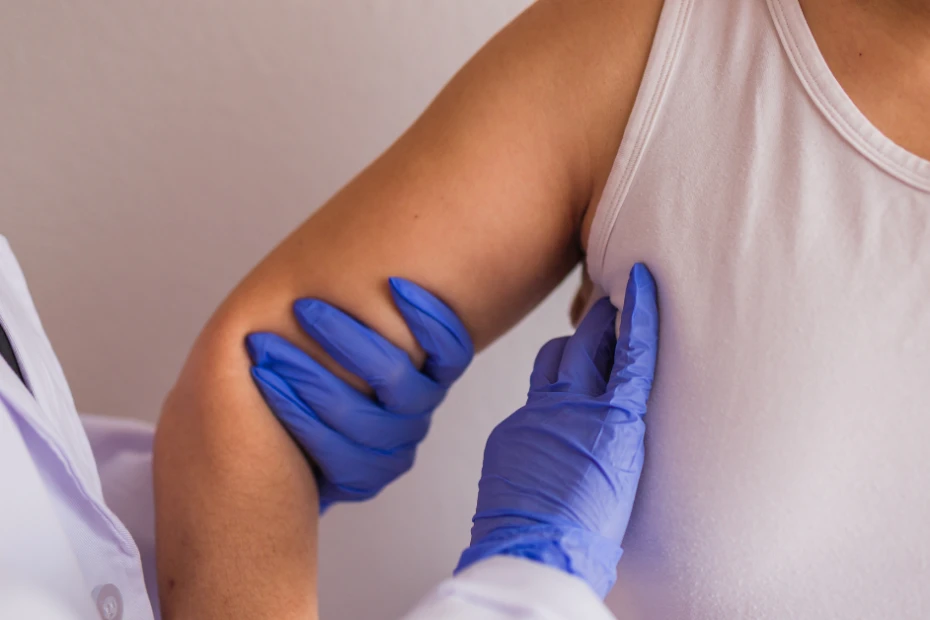
A Breast Examination done at home is a simple habit every woman should build. Once a month, spend a few minutes checking each breast. Look for changes in size, shape, or skin texture. Feel for lumps or hard spots. If something seems different from what is normal for you, speak to a health worker about it.
Self-checks are not a replacement for professional screening. They work best when used together. Doing your own checks helps you understand what your breasts normally feel like, making it easier to spot anything unusual. A trained health worker can then take a closer look if needed.
Building a Routine Around Screening
Women over 40 are often advised to have Mammograms every one to two years. Those with a family history of breast issues may need to start earlier or go more often. Each woman is different, so it helps to chat with a doctor about what makes sense based on personal risk factors.
Setting a reminder on a phone or calendar can help keep track of when the next appointment is due. Many women link their screening to a birthday or another annual event. This makes it easier to remember and turns it into a regular part of life rather than something that gets forgotten.
Overcoming Common Worries
Some women put off screening because they are nervous about pain. While the process involves pressing the breast between two plates, the discomfort is brief. It usually lasts only a few seconds per image. Staff at screening centres are trained to make the experience as comfortable as possible. Letting them know about any concerns can help ease nerves.
Cost is another worry for some. It is worth checking whether medical aid covers screening or whether there are public health options available. Many areas have programmes that offer low-cost or no-cost screenings, often during awareness months.
What to Expect After a Screening
Results are usually ready within a few days to two weeks. If the images are clear, no further action is needed until the next scheduled screening. If something looks unusual, more tests may be ordered. This does not always mean something is wrong. Many follow-up tests turn out to be nothing serious. The goal is to be thorough and rule out any concerns.
Waiting for results can feel stressful. It helps to stay busy and talk to someone trusted during this time. Remember that most screenings come back normal. Taking that step to get checked is already a positive action for long-term health.
Supporting Others in Your Life
Encouraging mothers, sisters, friends, and daughters to get screened can save lives. Sometimes people need a gentle push or someone to go with them. Offering to drive a friend to an appointment or simply asking, ‘Have you booked your check this year?’ can make a big difference.
Sharing personal experiences can also help. When someone talks openly about their own screening, it makes the topic less scary for others. It shows that looking after breast health is a normal and responsible thing to do.
Taking the First Step
The hardest part is often just booking the appointment. Once that is done, everything else falls into place. Whether it is a first screening or a routine check, every appointment counts. Small actions add up over time and protect health in ways that are hard to see right away.
Many women delay booking because life gets busy. Work, family, and daily tasks take up so much time that health appointments get pushed aside. But putting it off does not make the need go away. A screening takes less than an hour, and that small amount of time could make a huge difference in the long run.
It can help to think of screening as an act of self-care rather than a chore. Just like going to the dentist or having eyes tested, checking breast health is part of looking after the body. When women start to see it this way, it becomes easier to make it a priority.
For those who feel nervous, it helps to know that thousands of women go through the same process every day. The staff at screening centres have seen it all and are there to help. Asking questions, sharing concerns, and knowing what to expect can take away much of the worry.
Breast health is something every woman can take control of. By staying aware, doing regular checks, and going for professional screenings, women give themselves the best chance at catching problems early. It is a gift of time, peace of mind, and the power to act before things get complicated.
No one else can do this for you. Taking charge of your own health sends a message that you matter and that your future is worth protecting. One phone call, one appointment, one step at a time — that is all it takes to start.




































Sign in to leave a comment.