
Ayurveda, the ancient system of healing rooted in Indian tradition, has seen a global resurgence in recent years. Consumers across the world now turn to Ayurvedic products for natural healing, wellness, and holistic care. But with this renewed interest comes a greater responsibility—to ensure that these traditional remedies meet modern safety and quality standards. As a result, regulatory bodies in India and around the world now require testing of Ayurvedic products to protect public health and uphold the credibility of the industry.
In this article, we’ll explore the reasons behind this regulatory shift, the role of Ayurvedic Medicines Testing Services, and how testing is reshaping the Ayurvedic industry for the better.
The Rising Global Demand for Ayurveda
The global market for Ayurvedic products is projected to cross USD 20 billion in the coming years. Consumers are increasingly seeking herbal and natural alternatives to allopathic medicines. Ayurvedic formulations—ranging from capsules and powders to oils and tonics—have become widely available not only in India but also in Europe, the U.S., and Southeast Asia.
However, with this explosive growth has come a surge in unverified products, unregulated formulations, and misleading marketing claims. The result? Growing concern over the safety, purity, and efficacy of Ayurvedic medicines—especially those manufactured without proper testing or quality controls.
Why Testing Ayurvedic Products Is Now Mandatory
Traditionally, Ayurvedic remedies were prepared in small batches using fresh herbs, often under the guidance of a vaidya (practitioner). In modern times, the scenario has changed drastically. Products are mass-produced, packaged, and distributed globally. This shift has necessitated a new focus on quality assurance.
Here are the key reasons why regulatory bodies now require testing of Ayurvedic products:
1. To Detect Heavy Metals and Toxins
Many herbal medicines have been found to contain dangerous levels of lead, mercury, and arsenic—either as a result of improper formulation or contamination during processing. These metals can cause long-term health damage and must be strictly controlled through Ayurvedic Herb Products Testing Services.
2. To Prevent Adulteration and Mislabeling
Cases of products being adulterated with synthetic drugs, cheap fillers, or non-listed ingredients are not uncommon. Proper Analytical Testing helps identify such adulterants and ensures that the label matches the actual content of the product.
3. To Comply with International Trade Requirements
Exporting Ayurvedic products requires meeting global safety standards such as those set by the US FDA, European Medicines Agency (EMA), and WHO-GMP. These standards often mandate comprehensive lab testing by a recognized quality assurance testing lab.
4. To Ensure Dosage Accuracy and Potency
Without scientific standardization, the concentration of active compounds in herbal products can vary wildly. Ayurvedic Products Testing Services help maintain consistency in formulation, ensuring consumers get the intended therapeutic effect.
5. To Support Consumer Safety and Build Trust
With growing awareness, consumers are demanding transparency. Brands that use certified Ayurvedic Medicines Testing Services and provide lab reports are gaining more trust and credibility in the market.

What Is Involved in Ayurvedic Medicines Testing?
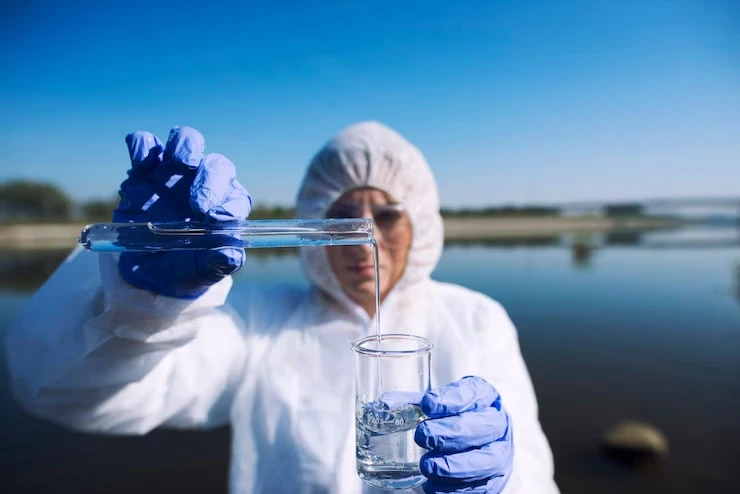
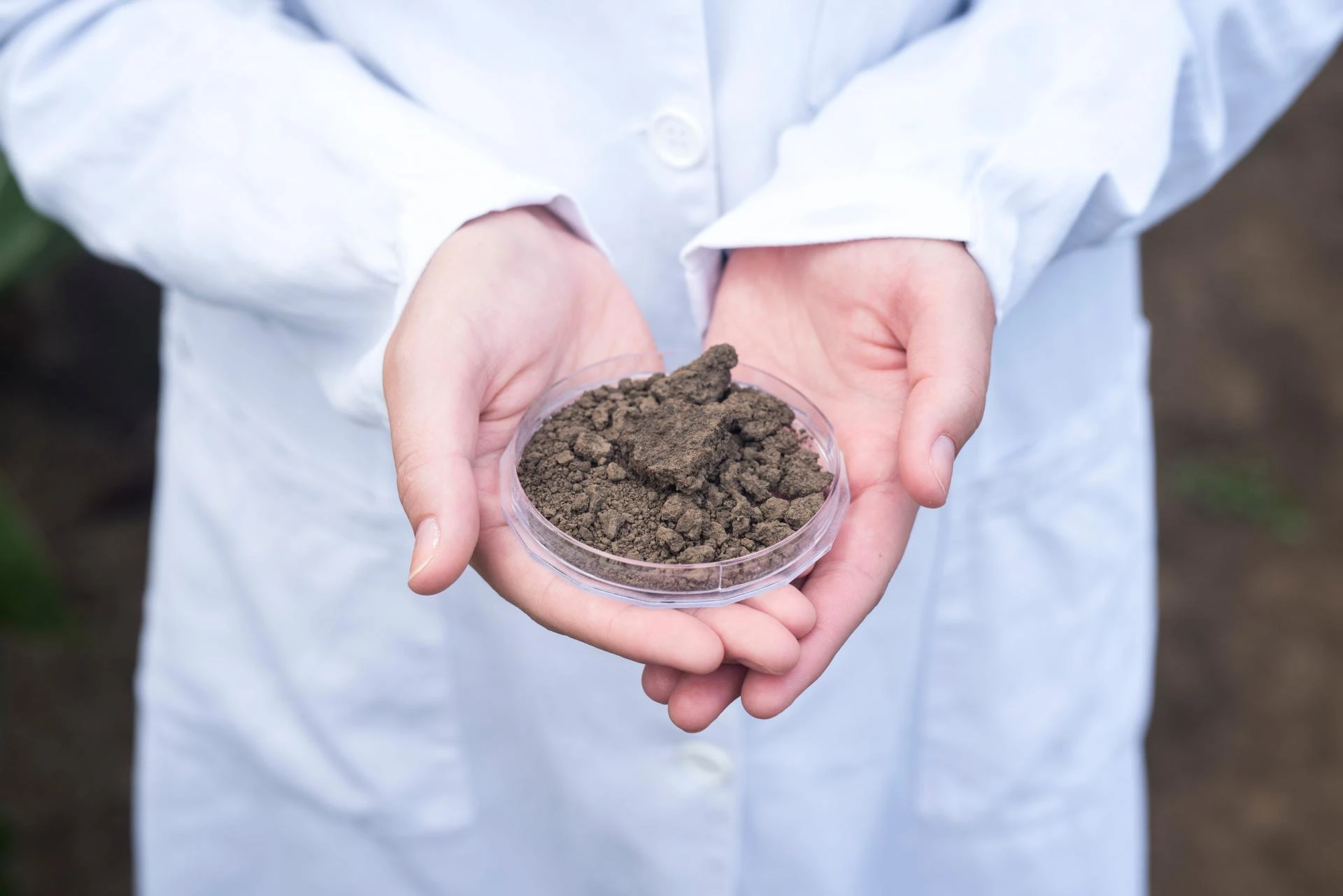
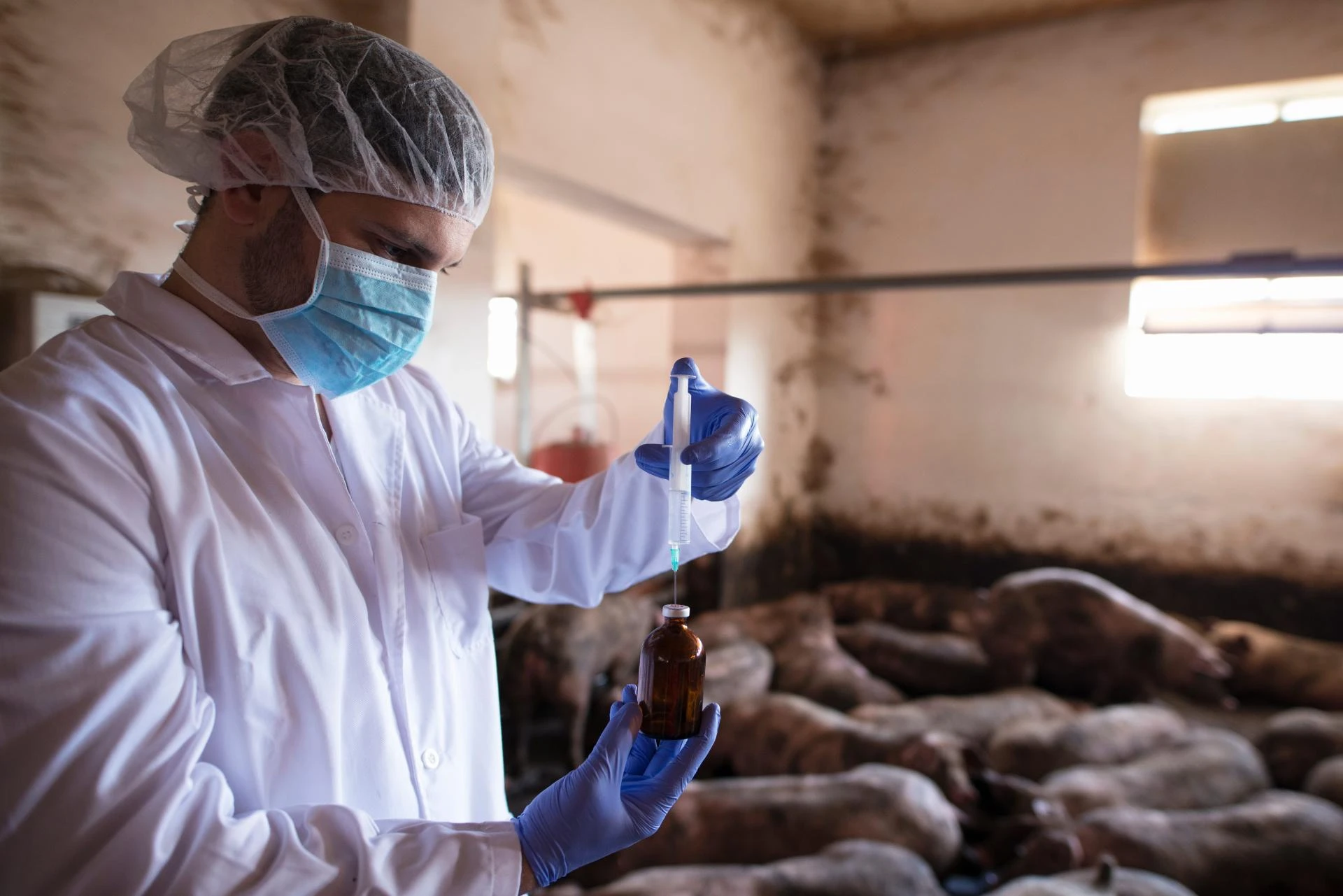
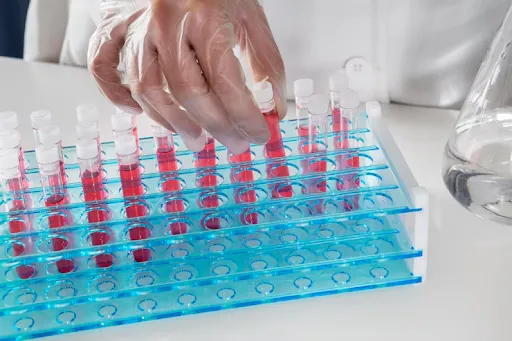
Testing Ayurvedic products involves multiple stages and specialized equipment. It’s far more than a simple check for contamination. A certified quality assurance laboratory typically offers the following tests:
🔬 Phytochemical Analysis
This identifies and quantifies the active plant compounds (alkaloids, glycosides, tannins, flavonoids) in the product. It’s crucial for determining the efficacy of the herbal formulation.
🧪 Heavy Metal Testing
Products are screened for the presence of toxic metals like lead, cadmium, arsenic, and mercury using Atomic Absorption Spectroscopy (AAS) or ICP-MS.
🧫 Microbial Contamination Tests
These include tests for bacteria, yeast, mold, and specific pathogens like E. coli and Salmonella. Contaminated products pose serious health risks and must be discarded or reformulated.
🌡️ Stability Testing
Checks how long the product remains effective and safe under various storage conditions. This ensures accurate expiry dates.
🧴 Adulteration and Additive Testing
Some products are spiked with steroids, painkillers, or other pharmaceutical compounds to fake fast results. Analytical testing can detect these non-natural substances.
📦 Packaging and Shelf-Life Evaluation
Proper packaging ensures the product isn’t exposed to air, moisture, or light, which can degrade herbal potency.
These tests are offered by specialized Ayurvedic Herb Products Testing Services, which often form part of a larger quality assurance testing lab accredited by national and international regulatory bodies.
What Do the Indian and Global Regulations Say?
🇮🇳 In India: Ministry of AYUSH and FSSAI
The Ministry of AYUSH (Ayurveda, Yoga & Naturopathy, Unani, Siddha and Homoeopathy) governs the production and sale of Ayurvedic products. It mandates that manufacturers maintain Good Manufacturing Practices (GMP) and conduct quality testing.
The Food Safety and Standards Authority of India (FSSAI) also plays a role when Ayurvedic formulations are marketed as nutraceuticals or dietary supplements.
Manufacturers are expected to:
- Test raw materials and finished products.
- Maintain records of quality assurance testing.
- Submit batch-wise test reports from certified labs.
🌍 Globally: Stringent Import Standards
Countries such as the USA, UK, and Canada require Ayurvedic products to:
- Be free from heavy metals and microbial contamination.
- Provide detailed labeling and ingredient disclosure.
- Be supported by analytical testing reports from accredited labs.
Failure to comply can result in banned shipments, recalls, or fines.
Benefits of Using a Certified Ayurvedic Testing Lab
Collaborating with a professional Ayurvedic Medicines Testing Service offers multiple advantages:
- Regulatory Compliance: Meet AYUSH, FSSAI, and export requirements.
- Brand Credibility: Gain consumer trust through validated quality.
- Product Safety: Avoid recalls and negative health impacts.
- Batch Consistency: Ensure uniformity in product potency and performance.
- Faster Market Approval: Speed up registration and licensing processes.
Challenges Without Testing
Manufacturers who neglect testing face serious consequences, such as:
- Regulatory penalties or license cancellations
- Brand reputation damage
- Consumer complaints or health lawsuits
- Product recalls or export bans
In a competitive marketplace, skipping quality assurance testing is no longer an option—it’s a liability.
Conclusion: Trust ITC Labs for Ayurvedic Product Testing
As the demand for Ayurveda continues to grow, so does the need for reliable and comprehensive Ayurvedic Products Testing Services. Whether you’re a manufacturer, exporter, or wellness brand, partnering with a trusted quality assurance laboratory is essential.
ITC Labs is one of India’s leading providers of Ayurvedic Medicines Testing Services and Ayurvedic Herb Products Testing Services. With state-of-the-art equipment, ISO/IEC 17025 accreditation, and decades of experience, ITC Labs delivers accurate, compliant, and timely results across all stages of testing—from raw material evaluation to final product release.
Their team of experts ensures full support with analytical testing, regulatory documentation, and safety validation—making them the go-to partner for Ayurvedic brands committed to quality.
In a world where trust in wellness products is paramount, ITC Labs stands out as the benchmark for safety, efficacy, and compliance in the Ayurvedic sector.





























Sign in to leave a comment.