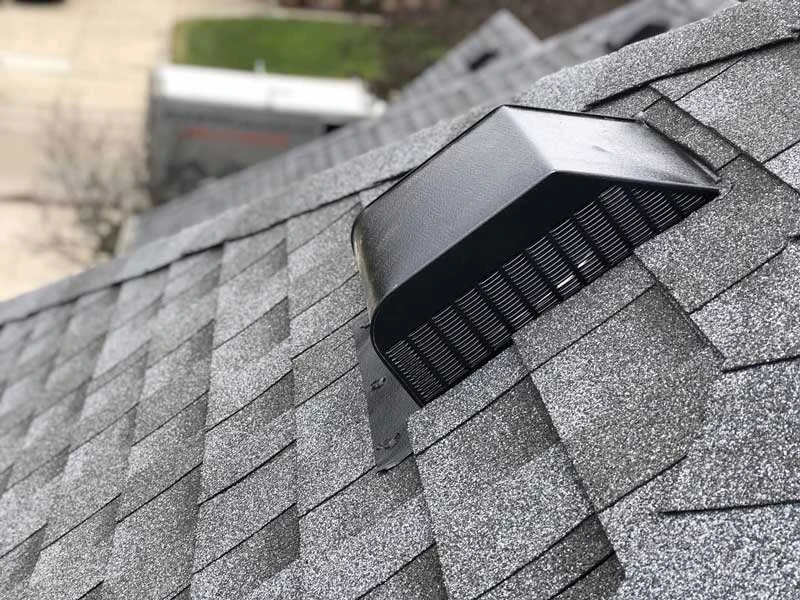

Proper roof ventilation is more than just a construction detail—it’s a critical component of energy efficiency in Canadian homes. In a climate like Toronto's, where summers are humid and winters are icy, your roofing system must be designed to breathe. But how exactly does ventilation impact your home’s energy use, and why should you care?
The Role of Ventilation in Reducing Cooling Costs
During summer, attic spaces can become heat traps. Without adequate ventilation, temperatures can exceed 60°C (140°F). This heat radiates downward into living areas, forcing air conditioning units to work overtime. As a result, homeowners may see cooling costs rise by 15% or more.
A well-ventilated attic allows hot air to escape, keeping internal temperatures stable. This reduces the load on your HVAC system and cuts energy bills.
“Attic ventilation can reduce cooling energy demand significantly—up to 20% in some homes,” explains Dr. Jeffrey Gordon, energy analyst at the National Renewable Energy Laboratory (NREL).
Ice Dams and Heating Inefficiencies in Winter
Winter brings a new challenge. Warm air from inside your home rises and gets trapped in the attic. This melts snow on the roof, causing water to refreeze at the eaves and form ice dams. These block water runoff, potentially leading to roof leaks and structural damage.
Ventilation helps equalize roof temperature, preventing snowmelt and reducing the risk of ice dams. It also minimizes condensation in the attic, which can lead to mold, wood rot, and insulation damage.
Roofing Codes and Compliance in Ontario
The Ontario Building Code requires a minimum of 1 square foot of ventilation for every 300 square feet of insulated ceiling. This ensures airflow is evenly distributed between intake (soffits) and exhaust (ridge vents). Builders and homeowners must follow these guidelines to pass inspections and qualify for insurance.
Why Choose Local Experts for Roof Upgrades
If you’re planning a roof replacement or attic retrofit, working with local professionals who understand Toronto's unique weather and code requirements is essential. Companies with experience in both ventilation and insulation will deliver better energy savings over time.
For high-quality service that combines compliance with performance, explore expert roofing in Toronto to ensure your home stays energy-efficient all year long.
Final Thoughts
Roof ventilation isn’t just about airflow—it’s about comfort, energy savings, and protecting your investment. Whether you're building new or upgrading an older property, proper ventilation will help your home stand the test of time.



























Sign in to leave a comment.