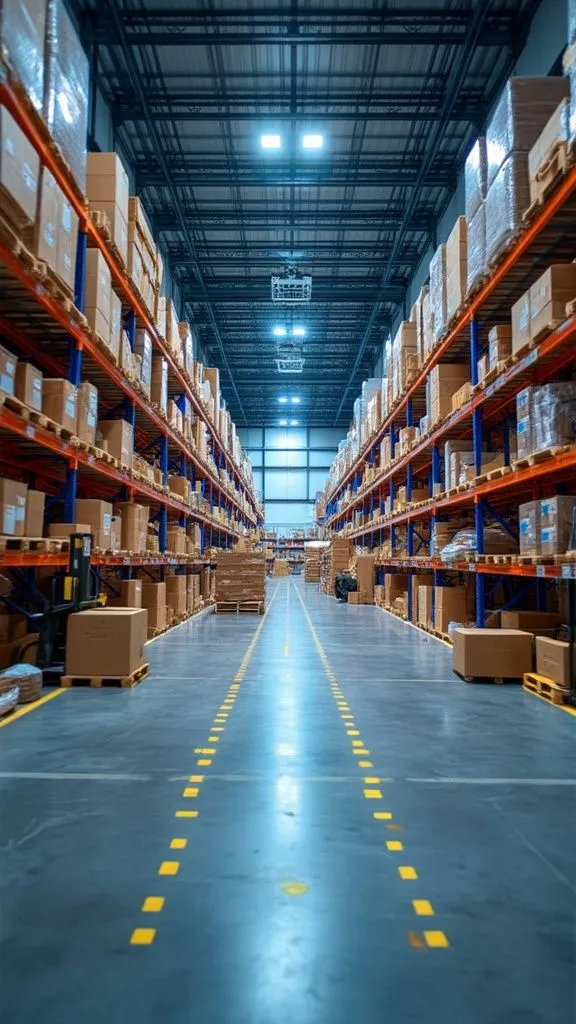

When people hear the word logistics, they often picture trucks, warehouses, inventory records, and delivery schedules.
Hazardous chemicals change that picture completely.
The moment chemical materials enter the supply chain, the conversation becomes less about movement and more about responsibility. Every storage decision matters. Every handling procedure matters. Even something that looks minor on paper can create consequences nobody wants to deal with later.
That's why hazardous chemical 3pl logistics is treated differently.
Businesses working with these materials don't just need warehouse space or transportation support. They need partners who understand what they're handling, what can go wrong, and how to prevent those situations from happening in the first place.
Safety isn't one item on a checklist.
It's the thing everything else sits on.
Every Chemical Has Its Own Challenges
One mistake people make is assuming chemicals behave the same way.
They don't.
Some react badly to heat. Others become unstable when exposed to moisture. Certain materials require separation from specific substances, while others need carefully controlled storage conditions throughout their time in a facility.
That's where things become complicated.
What works perfectly for one product may create problems for another. A warehouse team can't rely on assumptions. Procedures need to be based on the characteristics of the material itself.
The International Labour Organization has repeatedly identified hazardous substances as a major workplace safety concern across industries. When you look at that reality, careful chemical handling stops feeling like an extra precaution and starts feeling like common sense.
Experienced chemical logistics teams understand this.
They know the risks aren't always dramatic. Sometimes they're hidden in small details people outside the industry would never notice.
People Come Before Everything Else
At the center of every safety program is a simple idea.
Get everyone home safely.
That sounds obvious, but it's the reason so many procedures exist.
Warehouse personnel, transport operators, supervisors, and response teams interact with hazardous materials in different ways throughout the day. If proper controls aren't in place, even a relatively small incident can expose people to unnecessary danger.
Good logistics providers don't leave that to chance.
Training becomes part of everyday operations. Employees learn how to identify hazards, use protective equipment correctly, follow handling procedures, and react quickly if something unexpected happens.
And training isn't something completed once during onboarding and forgotten six months later.
The strongest operations keep reinforcing it.
Because when people understand exactly what they're dealing with, decisions improve. Reactions become faster. Small problems stay small.
Storage Isn't Just About Space
A lot of people see a warehouse and think storage.
Chemical logistics professionals see risk management.
There's a difference.
Certain materials require temperature-controlled environments. Others need dedicated containment areas. Some products must remain separated from incompatible substances at all times.
From the outside, storage arrangements can look simple.
Inside the operation, every location, label, inspection process, and inventory movement follows a purpose. Nothing is placed randomly. Nothing is left to guesswork.
The goal isn't reacting to incidents.
The goal is making sure they never happen.
Compliance Exists for a Reason
People sometimes talk about compliance like it's paperwork.
Honestly, that's missing the point.
The regulations surrounding hazardous chemicals weren't created just to fill binders with documents. Most of them exist because somewhere, at some point, an incident showed what happens when controls fail.
That's why compliance and safety stay connected.
Experienced logistics providers don't treat regulations as a separate responsibility. They build them directly into storage procedures, transportation activities, inspections, documentation practices, and daily operations.
When that happens, compliance feels less like an obligation and more like part of the operating culture.
Which is exactly where it belongs.
Moving Hazardous Chemicals Changes Everything
Transportation introduces its own challenges.
Once hazardous materials leave a facility, they move through changing road conditions, weather environments, handling points, and operational situations that can't always be predicted.
That's why transportation procedures become so important.
Vehicles need appropriate safety measures. Drivers need specialized awareness and training. Emergency response protocols need to be clear before they're ever needed.
Even route planning matters.
Small decisions made before a shipment begins often have a huge impact on safety throughout the journey.
The companies that do this well understand something important.
Moving hazardous chemicals isn't about getting somewhere fast.
It's about getting there safely.
And that changes how every decision gets made.





























Sign in to leave a comment.