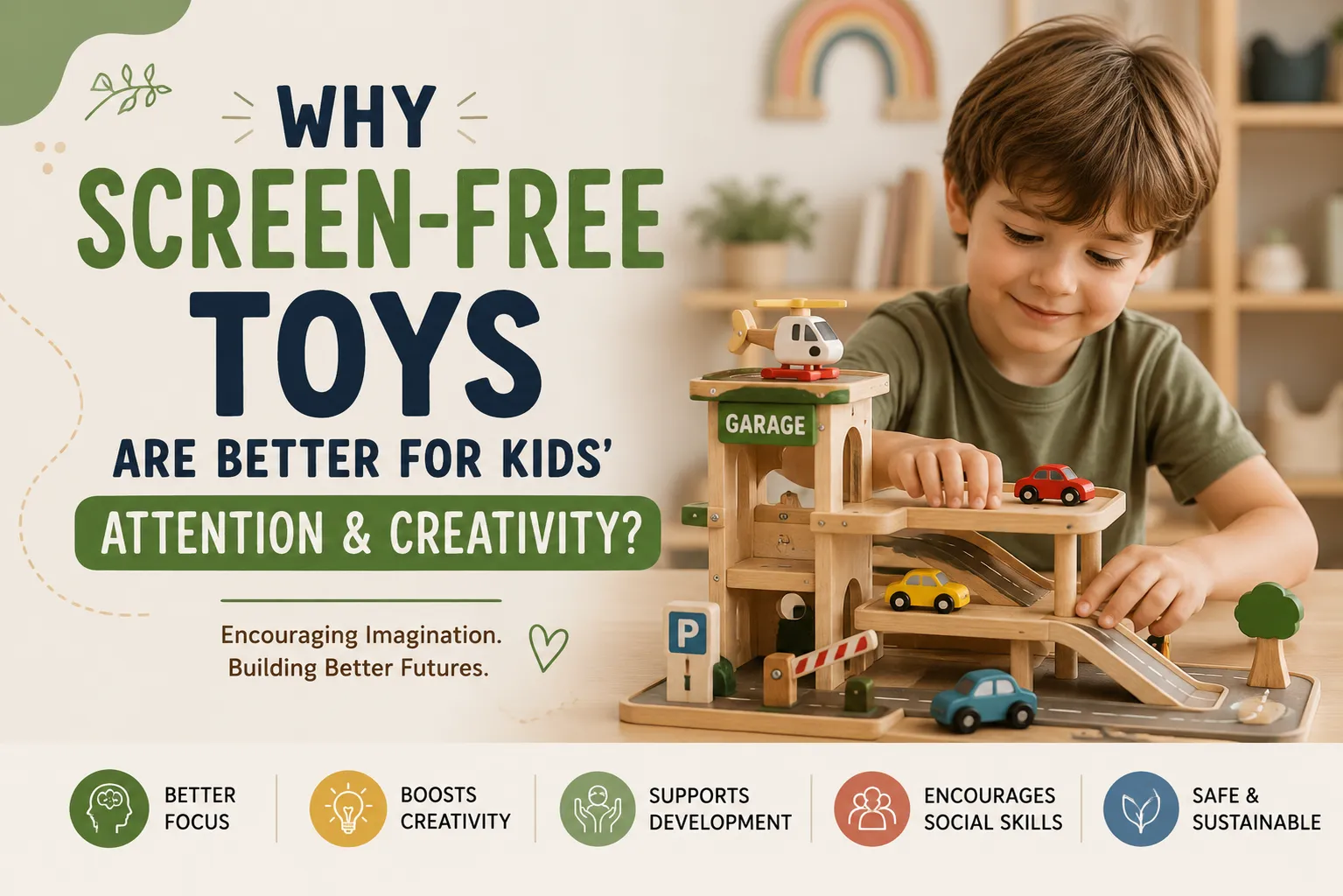
In today’s digital world, screens have become part of everyday life for children. From tablets and smartphones to gaming devices and televisions, many kids are spending more time in front of screens than ever before. While technology can offer learning opportunities, too much screen exposure can affect a child’s focus, imagination, and social development.
This is why many Australian parents are now turning towards screen-free toys that encourage hands-on play, creativity, and independent thinking. Toys that involve building, pretending, exploring, and problem-solving can support healthier child development while making playtime more meaningful.
What Are Screen-Free Toys?
Screen-free toys are toys that do not rely on digital devices, flashing screens, apps, or electronic interaction. These toys encourage children to use their imagination and creativity naturally. Examples include:
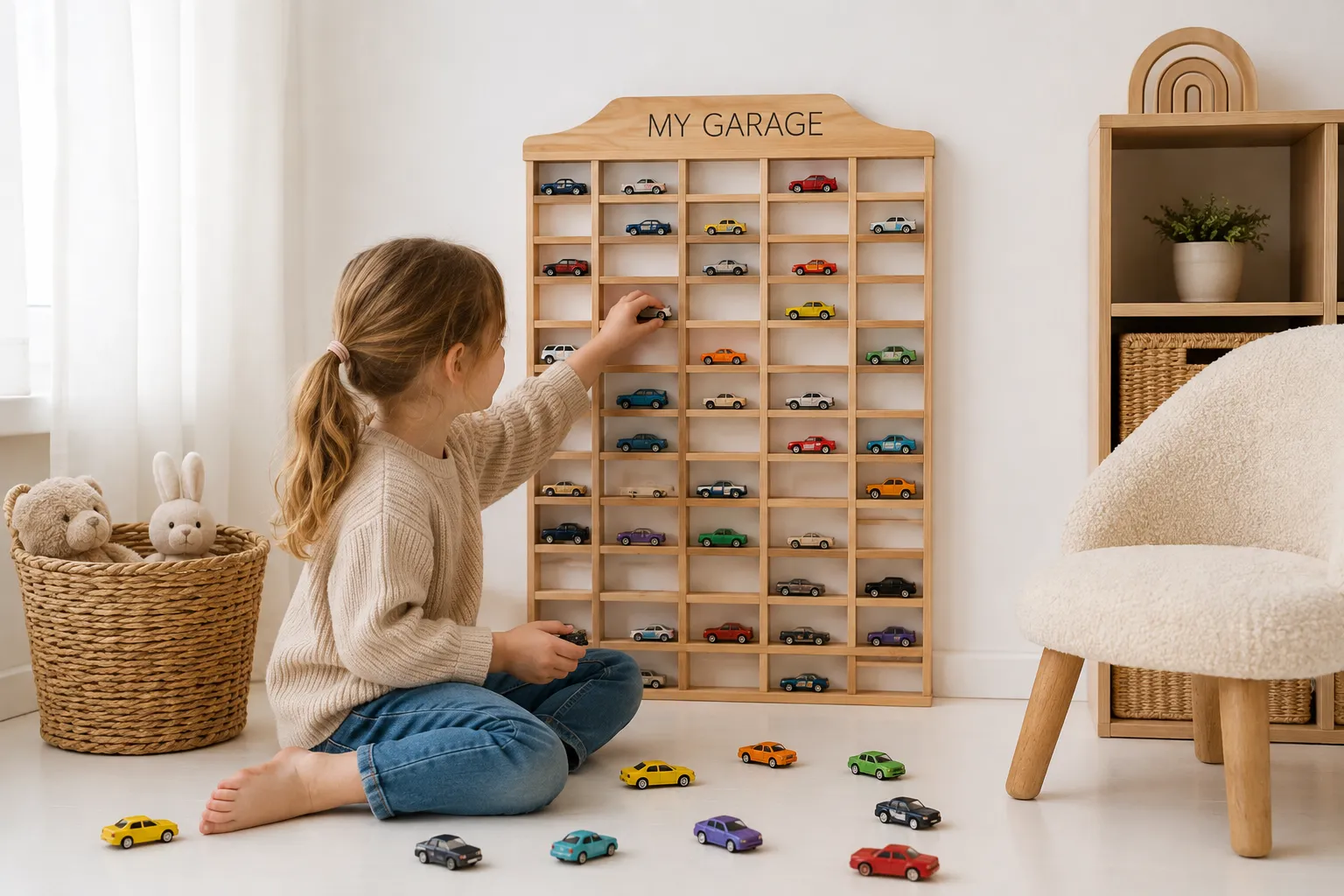
- Wooden toy garages
- Building blocks
- Pretend play toys
- Wooden puzzles
- Montessori toys
- Toy vehicles
- Role-play sets
- Sensory toys
Unlike electronic toys that often provide instant entertainment, screen-free toys allow children to actively create their own play experiences.
How Screen-Free Toys Improve Attention Span?
One of the biggest concerns among parents today is reduced attention span in children. Fast-moving digital content can train the brain to expect constant stimulation. As a result, some children may struggle to focus on slower or more detailed activities.
Screen-free toys help improve concentration because they encourage children to stay engaged in one activity for longer periods. For example, when a child builds a toy garage, arranges vehicles, or creates imaginary road systems, they are practising patience, planning, and focus.
This type of play helps children:
- Stay engaged for longer periods
- Improve problem-solving abilities
- Develop patience and persistence
- Build independent thinking skills
- Learn through trial and error
These benefits can positively support learning both at home and in school environments.
Why Creativity Grows Through Open-Ended Play?
Screen-based entertainment often gives children ready-made stories, sounds, and outcomes. In contrast, screen-free toys encourage kids to invent their own ideas and scenarios.
A simple wooden toy can become:
- A racing track
- A busy city garage
- A rescue station
- A construction zone
- A storytelling adventure
This kind of open-ended play strengthens creativity because children are actively using their imagination rather than passively consuming entertainment.
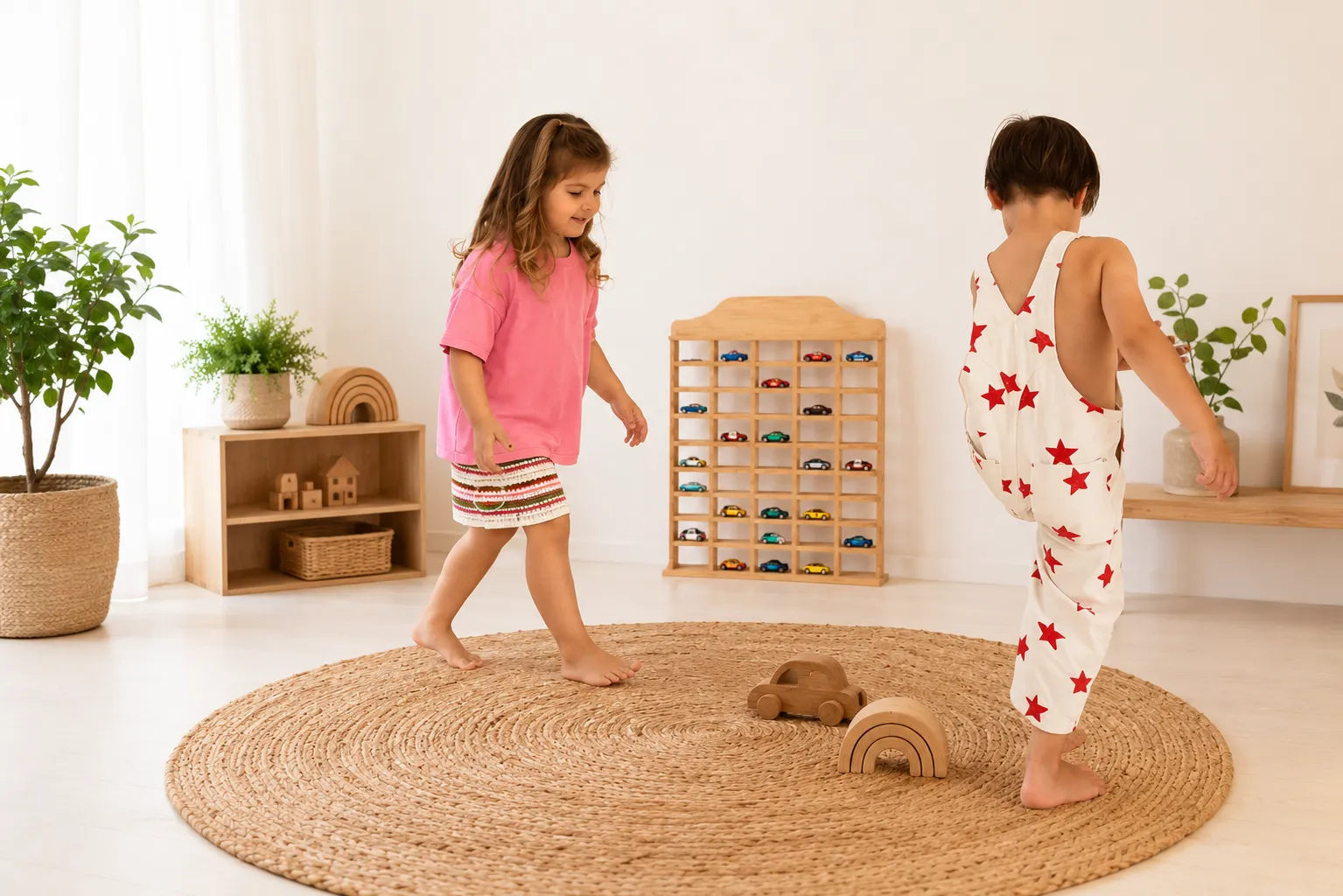
Creative play also helps children develop communication skills, emotional expression, and social confidence when playing with siblings or friends.
The Benefits of Wooden Toys for Child Development
Wooden toys are becoming increasingly popular among Australian families because they offer a more natural and calming play experience compared to noisy electronic toys.
Some key benefits of wooden toys include:
Better Sensory Experience
Wooden toys provide natural textures and weight, helping children explore touch and movement more effectively.
Encourages Independent Play
Children can create their own play patterns without needing instructions from a screen or device.
Durable and Long-Lasting
Quality wooden toys are built to last and can often be passed down through generations.
Supports Montessori Learning
Many wooden toys follow Montessori-inspired learning principles that encourage self-directed exploration and hands-on learning.
Reduced Overstimulation
Simple toys help reduce excessive visual and sound stimulation, allowing children to play in a calmer environment.
Why Australian Parents Are Choosing Screen-Free Play?
Many Australian families are now actively reducing screen time at home. Parents are looking for ways to encourage healthier habits, better sleep routines, and more meaningful family interaction.
Screen-free toys help create opportunities for:
- Family bonding
- Interactive storytelling
- Social play
- Creative thinking
- Real-world learning experiences
Parents are also becoming more aware of the importance of balancing technology with physical and imaginative activities.
Tips for Encouraging Screen-Free Play at Home
Creating a screen-free play environment does not need to be complicated. Small changes can make a big difference.
Create a Dedicated Play Area
Set up a calm and organised space where children can access toys easily.
Rotate Toys Regularly
Changing toys every few weeks keeps playtime fresh and exciting.
Choose Open-Ended Toys
Toys that can be used in multiple ways encourage longer engagement.
Join the Play
Spending time playing together can motivate children to enjoy screen-free activities more often.
Limit Passive Entertainment
Balancing screen time with active play can help children develop healthier habits.
Final Thoughts
Screen-free toys offer much more than entertainment. They help children build attention span, creativity, confidence, and problem-solving skills through active and imaginative play. In a world filled with digital distractions, simple toys can create meaningful learning experiences that support healthy child development.
Wooden toys, pretend play sets, and open-ended learning toys continue to grow in popularity because they encourage children to think, create, and explore naturally. For parents looking to support balanced childhood development, screen-free play remains one of the most valuable choices for modern families.
FAQs
Are screen-free toys better for toddlers?
Yes. Screen-free toys support sensory learning, motor skill development, creativity, and attention span during important early learning years.
Why are wooden toys considered educational?
Wooden toys encourage hands-on learning, imaginative play, problem-solving, and independent thinking without overstimulation.
How much screen time should children have?
Screen time recommendations vary by age, but many experts suggest balancing digital use with active physical and creative play.
What are the best screen-free toys for kids?
Popular options include wooden toy garages, building blocks, puzzles, pretend play toys, Montessori toys, and sensory play items.
Do screen-free toys help with creativity?
Yes. Open-ended toys encourage children to invent stories, solve problems, and use their imagination freely.


























Sign in to leave a comment.