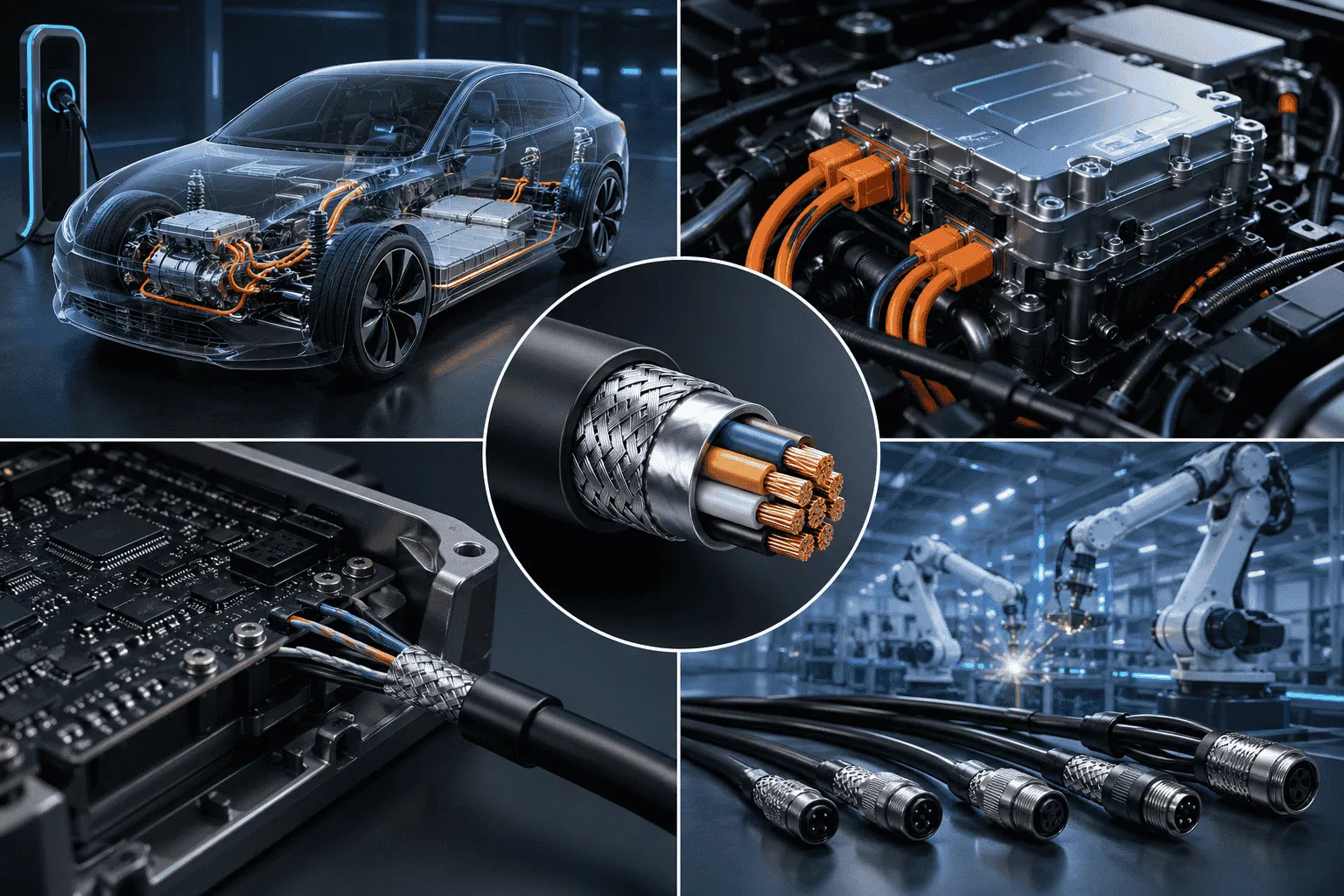

When Performance Drops, the Cause Is Often Hidden
A vehicle slows down, and a system misreads data, or a machine is behaving unpredictably. At first, it feels like a software issue, or it might be a component failure. But in many cases, the root cause lies deeper in the wiring.
Modern electric vehicles and high-performance systems operate on tightly packed electrical networks. Signals travel faster, power levels are higher, and components are closer than ever before. In such an environment, even minor interference can disrupt performance.
This is where the importance of shielded copper wire, copper shielded cable, and flexible copper cable becomes clear. These are not just connectors. They are critical to how well your system performs under real conditions.
So the real question is not whether cables matter. It is whether your cable solutions are designed for the demands of today’s systems.
Rising Complexity Is Changing Cable Requirements
Electric vehicles redesigned the architecture of electrical systems. Traditional vehicles relied heavily on mechanical parts, but the current generation of EVs depends on electrical and electronic systems working together continuously.
Today, a single EV includes battery packs, control units, sensors, and communication networks, all operating at different voltage levels. These systems share limited space, which increases the chances of signal interference.
According to the International Energy Agency, global EV sales have crossed a milestone of 14 million units in 2023. This rapid growth is pushing manufacturers to design more compact and efficient electrical systems.
As the density of electronic systems increases, so does the risk of electromagnetic interference. A standard copper cable without shielding may not be enough to maintain signal clarity in such confusing environments.
Consider an EV battery management system. There are multiple signals+ moving between sensors and controllers at the same time. If interference distorts these signals, it can affect battery performance and safety. This is not a theoretical risk. It is a practical challenge faced by manufacturers every day.
This growing complexity is why cable selection has become a strategic decision, not just a technical one.
Why Shielding Makes a Real Difference
In high-performance systems, signals must travel without distortion. Even small disturbances can lead to inaccurate readings or delayed responses.
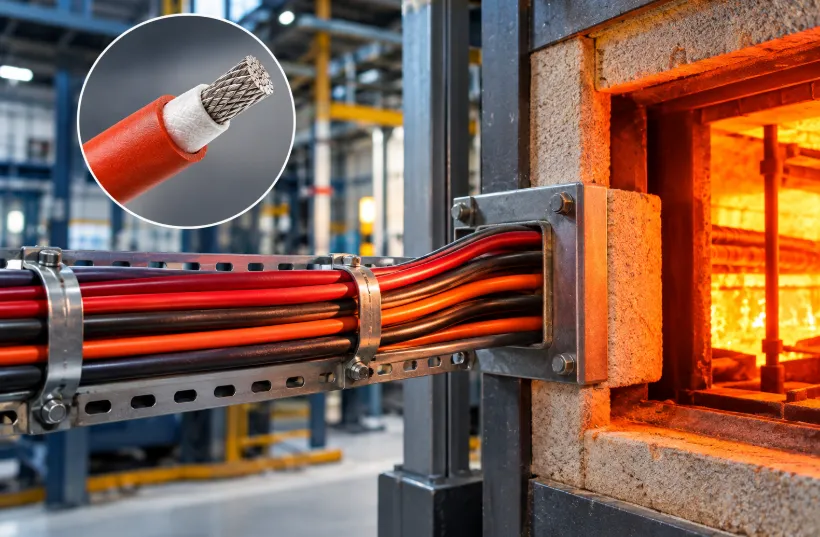
A copper shielded cable includes a protective layer that blocks electromagnetic interference. This shielding can be in the form of braided copper or foil, depending on the purpose it is used for.
Interference can originate from many sources, for example, nearby cables, electronic components, or external sources. Without shielding, these signals can mix, creating noise that affects performance.
Research in automotive electronics highlights that electromagnetic interference is a major cause of signal degradation in present day modern systems. This is especially relevant in EVs where high voltage lines run side-by-side with sensitive communication wires.
Think about charging systems or onboard diagnostics. These systems can perform well only with accurate data. If signals are distorted, then the system may respond incorrectly. Over time, this can reduce efficiency or lead to unexpected failures.
By using shielded copper wire, manufacturers can maintain signal integrity and ensure consistent performance. It is not just about preventing problems. It is about enabling systems to perform as intended.
Why Copper Continues to Lead in Cable Performance
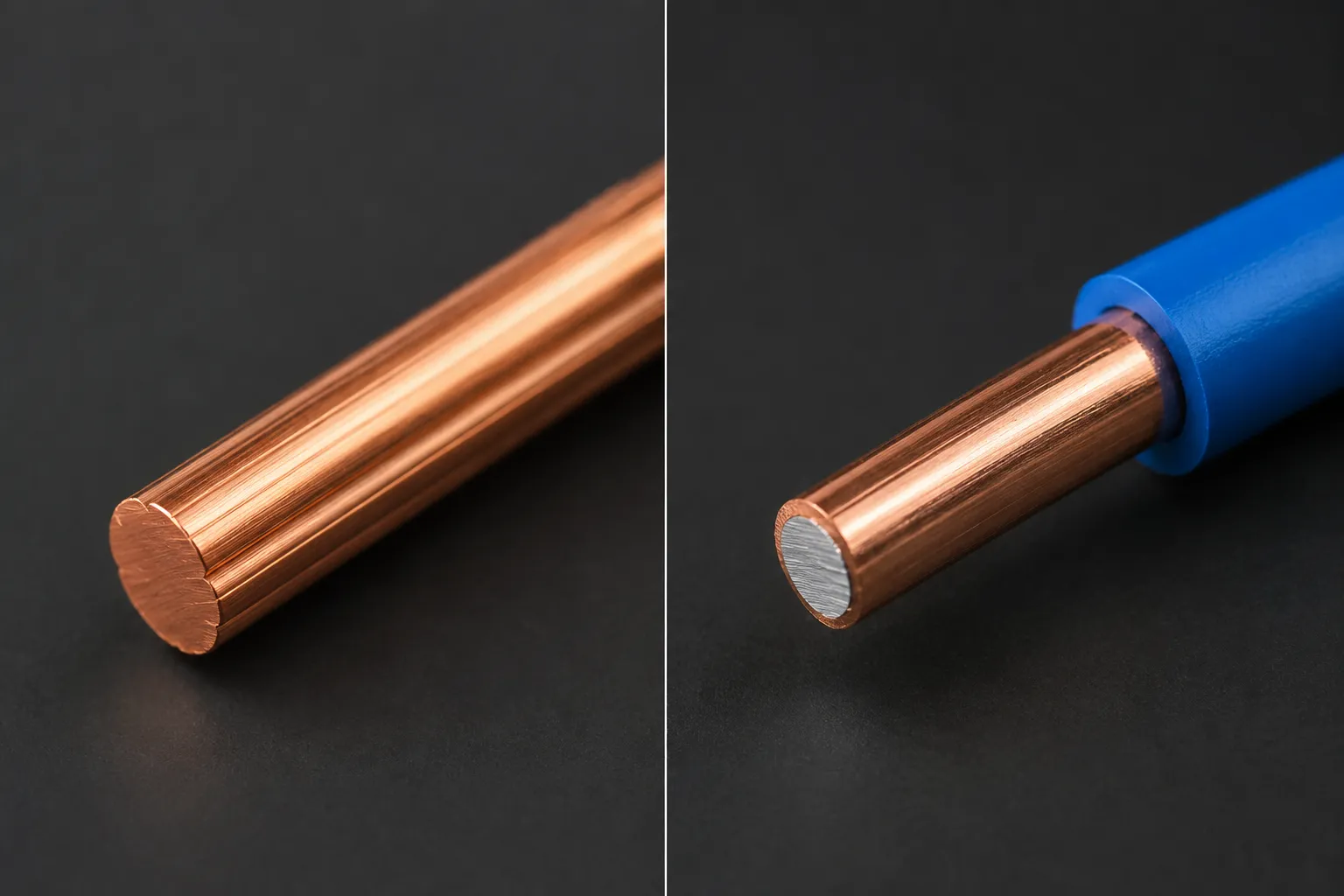
When it comes to conductivity, copper secures the first spot everytime. Its ability to carry electrical current efficiently makes it ideal for high-performance applications.
Copper has an electrical conductivity of around 59.6 × 10⁶ S per meter. This allows power to move with minimal resistance, which reduces energy loss and heat generation.
The International Copper Association highlights that better conductivity improves overall system efficiency and reliability.
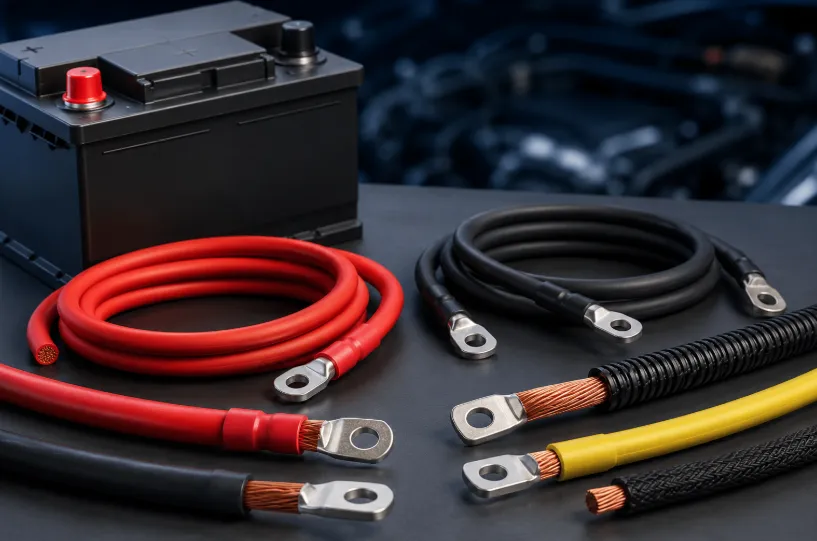
In addition to conductivity, copper offers great flexibility. A flexible copper cable can adapt to complex layouts without compromising performance. This is essential in EVs where wiring must navigate tight spaces and moving components.
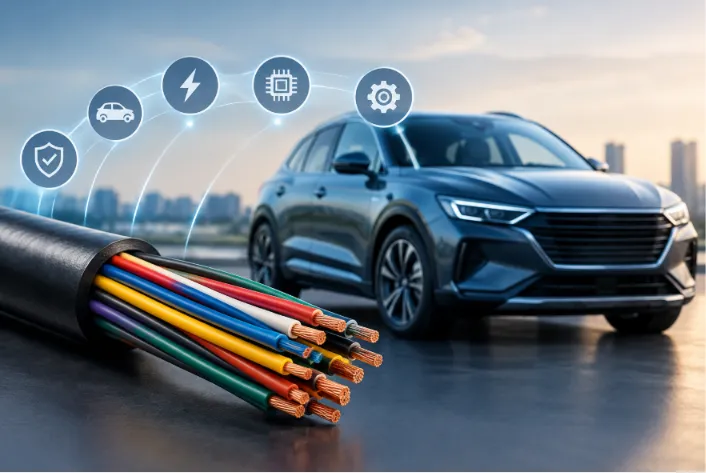
Imagine a wiring harness inside an electric vehicle. The cable must bend, twist, and fit into confined, limited areas while maintaining stable and consistent performance. A rigid and stiff cable will fail under such conditions. Flexibility becomes just as important as conductivity.
This combination of strength, flexibility, and efficiency is why copper continues to be the backbone of modern cable solutions.
Safety and Performance Go Hand in Hand
In high-performance environments, safety cannot be separated from performance. A failure in one often leads to issues in the other.
High temperatures, vibrations, and electrical noise, such as harsh conditions, are common in EVs and industrial systems. These factors can degrade the cables over time, especially if they are not designed for such conditions.
A shielded copper wire provides multiple layers of protection. It reduces interference, handles thermal stress, and maintains stable performance even in demanding environments.
EVs use significantly more copper than traditional vehicles. Industry insights suggest that EVs can use up to 2.5 times more copper compared to internal combustion engine vehicles. This increase reflects the growing importance of reliable wiring in modern systems.
Now consider critical systems such as braking sensors or battery monitoring units. These systems rely on accurate signals. If interference affects these signals, it can lead to incorrect responses.
By using copper shielded cable, manufacturers can ensure that these systems operate safely and efficiently. The cable becomes an active contributor to system reliability.
This is why selecting the right cable is not just about performance. It is about protecting the entire system.
Future Systems Demand Better Cable Solutions
The shift toward electrification is not slowing down. Industries are moving toward automation, smart systems, and connected technologies.
The International Energy Agency projects continued growth in EV adoption through 2030. This means electrical systems will become even more advanced and demanding.
As systems evolve, so do expectations from cable solutions. It is no longer enough for a cable to simply carry current. It must resist interference, handle heat, and adapt to complex environments.
This is where copper cable solutions with advanced shielding come into focus. They support stable communication, efficient power transfer, and long-term durability.
Think about industrial automation or advanced EV platforms. These systems depend on uninterrupted communication between components. Any disruption can impact performance and productivity.
By choosing high-quality flexible copper cable and shielded solutions, manufacturers can build systems that are ready for future demands.
The focus is shifting from short-term functionality to long-term reliability.
What Should You Focus on When Selecting Cables
Choosing the right cable requires a clear understanding of the environment it will operate in.
If your system involves high-frequency signals, interference is a concern. In such cases, shielded copper wire becomes essential.
If your application involves tight spaces or movement, flexibility matters. A flexible copper cable ensures smooth routing without stress on the conductor.
For high-performance or EV applications, a copper shielded cable provides the balance of protection and efficiency needed for stable operation.
It is also important to consider certifications and testing standards. Reliable cable solutions are tested for performance, durability, and safety.
When you look at the bigger picture, the goal is simple. Choose cable solutions that support your system, not limit it.
Bringing It All Together
In modern electrical systems, cables are not just supporting components. They are part of the system’s performance.
As EVs and high-performance systems continue to evolve, the role of reliable wiring becomes more critical. Shielding protects signals, copper ensures efficiency, and flexibility supports real-world applications.
Every decision you make in system design has a long-term impact. Cable selection is one of those decisions that often goes unnoticed until something fails.
So it is worth asking.
Are your cable solutions built to handle the demands of today and the challenges of tomorrow?
Choosing the right copper cable, backed by proper shielding and design, is not just a technical choice. It is a step toward building systems that perform consistently, safely, and efficiently over time.

























Sign in to leave a comment.