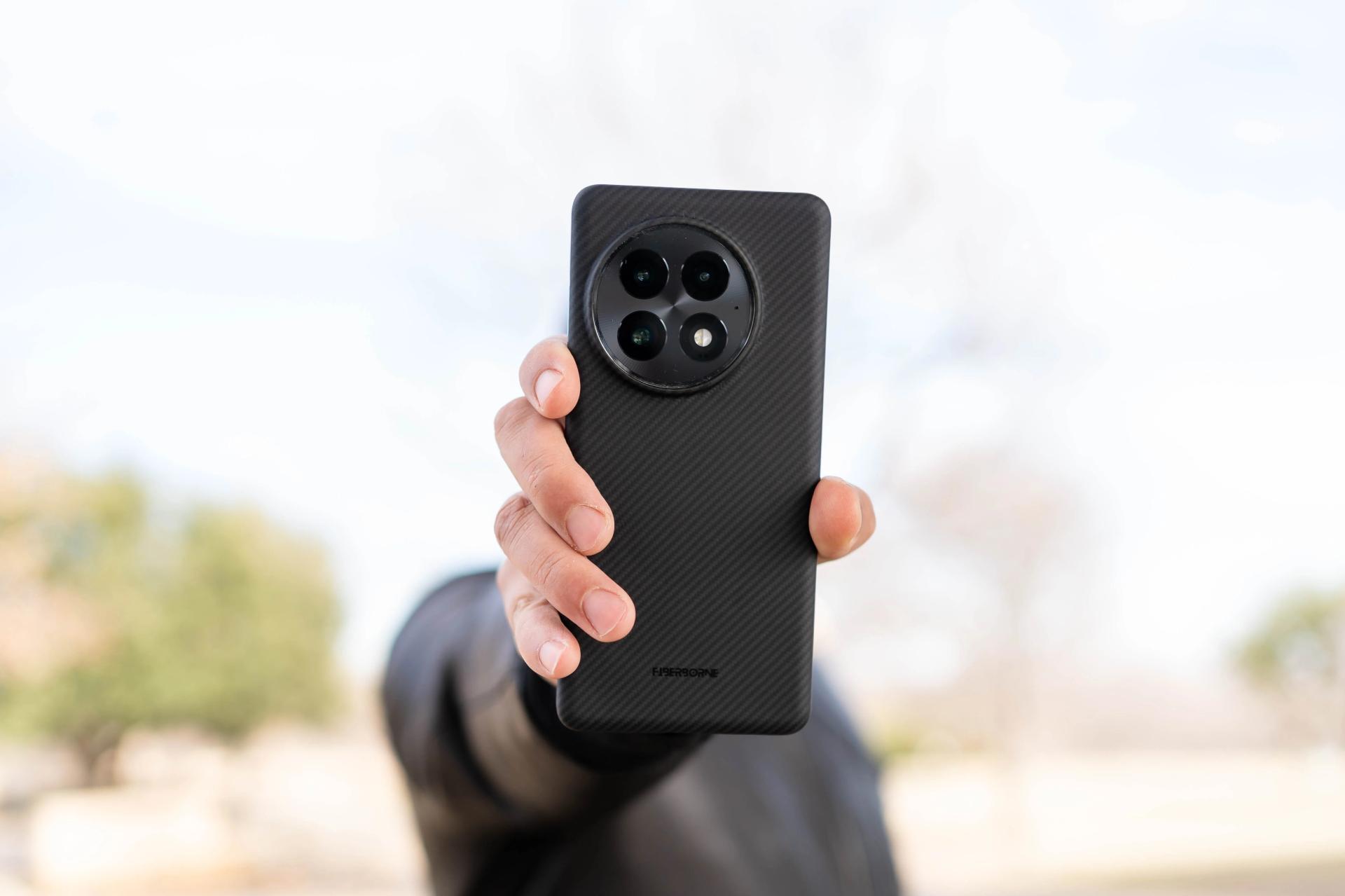

Not long ago, phone protection meant one thing: bulk. Thick rubber corners, heavy shells, and oversized frames were considered the price you paid to keep your device safe. Today, that mindset is shifting fast. As smartphones become more refined in both design and performance, users are rethinking how much protection they actually need—and how much bulk they’re willing to tolerate.
Slim phone cases are no longer seen as a compromise. In many ways, they’ve become the new standard for everyday smartphone protection.
Smartphones Are Designed to Be Seen, Not Hidden
Modern smartphones are intentionally sleek. From edge-to-edge displays to refined materials and slimmer profiles, manufacturers clearly expect users to appreciate the hardware itself. Covering that design with a thick case often feels counterproductive.
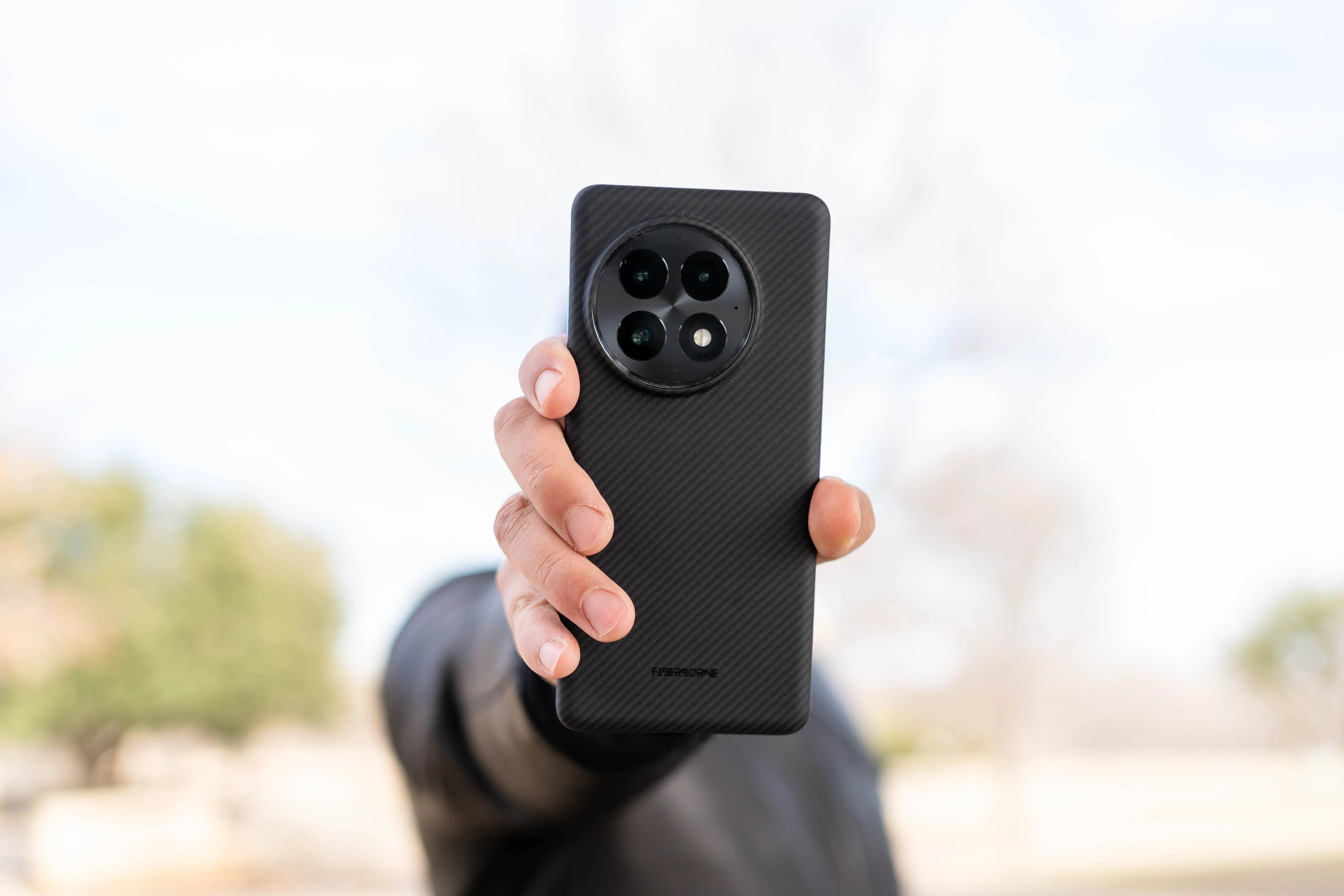
This is where slim cases have found their place. They protect without masking the phone’s original look and feel. Instead of adding unnecessary layers, a thin case complements the device—maintaining its silhouette while offering a practical barrier against daily wear.
As devices like the OnePlus 13 continue pushing minimalist aesthetics, it’s natural that accessories evolve in the same direction. A bulky case simply feels out of sync with modern phone design.
Everyday Risks Don’t Always Require Heavy Armor
For most people, phone damage doesn’t come from extreme drops or outdoor abuse. It comes from everyday moments: placing the phone on rough surfaces, slipping it into tight pockets, or accidental knocks during daily routines.
Slim cases are designed with these real-world scenarios in mind. They focus on scratch resistance, grip, and minor impact absorption—covering the most common risks without overengineering the solution.
This practical approach explains why thinner options are gaining traction. Users are realizing that for normal day-to-day use, a streamlined layer of protection is often enough.
Comfort and Usability Matter More Than Ever
Smartphones are used constantly—during commutes, workouts, work hours, and downtime. A bulky case adds weight and changes how the phone feels in hand, which becomes noticeable over time.
Slim cases prioritize ergonomics. They preserve the phone’s original balance, make one-handed use easier, and slide effortlessly into pockets or bags. Buttons remain responsive, wireless charging stays reliable, and the overall experience feels natural rather than obstructed.
This shift toward comfort is especially noticeable among users who rely on their phones all day. For them, protection that doesn’t interfere with usability is no longer optional—it’s expected.
Minimalism Is Influencing Tech Accessories
Minimalism isn’t just a design trend; it’s a mindset. Across fashion, interiors, and technology, people are choosing fewer, better, and more intentional products.
Phone cases are no exception. Instead of oversized designs with aggressive styling, users are leaning toward clean lines, neutral finishes, and materials that feel premium without being flashy.
This cultural shift has helped normalize thin cases as a thoughtful choice rather than a risky one. A well-designed slim case signals confidence in both the device and how it’s used.
Advances in Materials Are Driving the Change
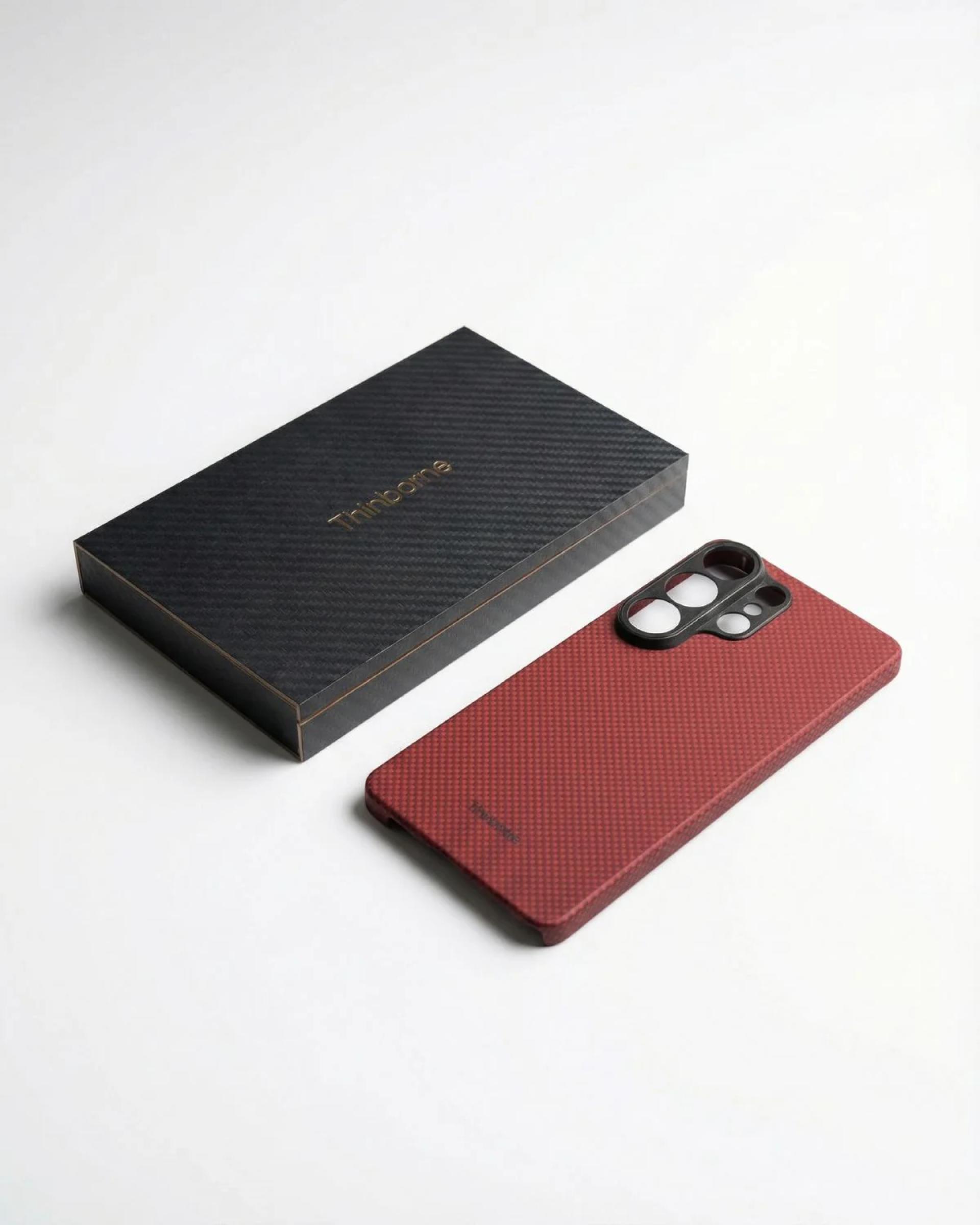
One of the biggest reasons slim cases are now viable is material innovation. Modern composites and high-strength fibers allow manufacturers to create cases that are both thin and durable.
These materials don’t rely on thickness alone for protection. Instead, they distribute impact more efficiently and resist bending or cracking under pressure. The result is a case that feels light but performs better than older, bulkier designs made from basic plastics or silicone.
This evolution has made options like a oneplus 13 thin case appealing to users who want modern protection without sacrificing design or comfort.
Social Habits Are Shaping Case Preferences
Smartphones are no longer just tools—they’re extensions of personal style. People carry them into meetings, social events, and public spaces, often placing them in plain sight.
A bulky case can feel out of place in these settings. Slim cases, on the other hand, blend seamlessly into daily life. They look intentional, understated, and refined, aligning better with modern lifestyle expectations.
As phones become more visible accessories, it makes sense that users prefer protection that doesn’t dominate the device’s appearance.
Thin Doesn’t Mean Fragile
One lingering misconception is that slim cases offer little to no protection. In reality, the best thin cases are designed to protect where it matters most: the back surface, edges, and camera area.
Raised lips, reinforced corners, and precise fit can all exist within a thin profile. When combined with careful handling and screen protection, a slim case becomes part of a balanced approach to device care rather than an all-or-nothing solution.
For many users, this balance feels more realistic than relying on a single, heavy layer of protection.
A New Expectation for Everyday Protection
The rise of slim phone cases reflects a broader shift in how people think about their devices. Protection is no longer about preparing for worst-case scenarios at all times. It’s about matching protection to lifestyle, usage habits, and design preferences.
As phones continue to get slimmer, lighter, and more refined, bulky cases feel increasingly outdated. Thin cases meet users where they are—offering just enough protection while preserving what made them love the phone in the first place.
That’s why slim design isn’t just a trend. It’s quickly becoming the default expectation for smartphone protection in a world that values practicality, comfort, and thoughtful design.

























Sign in to leave a comment.