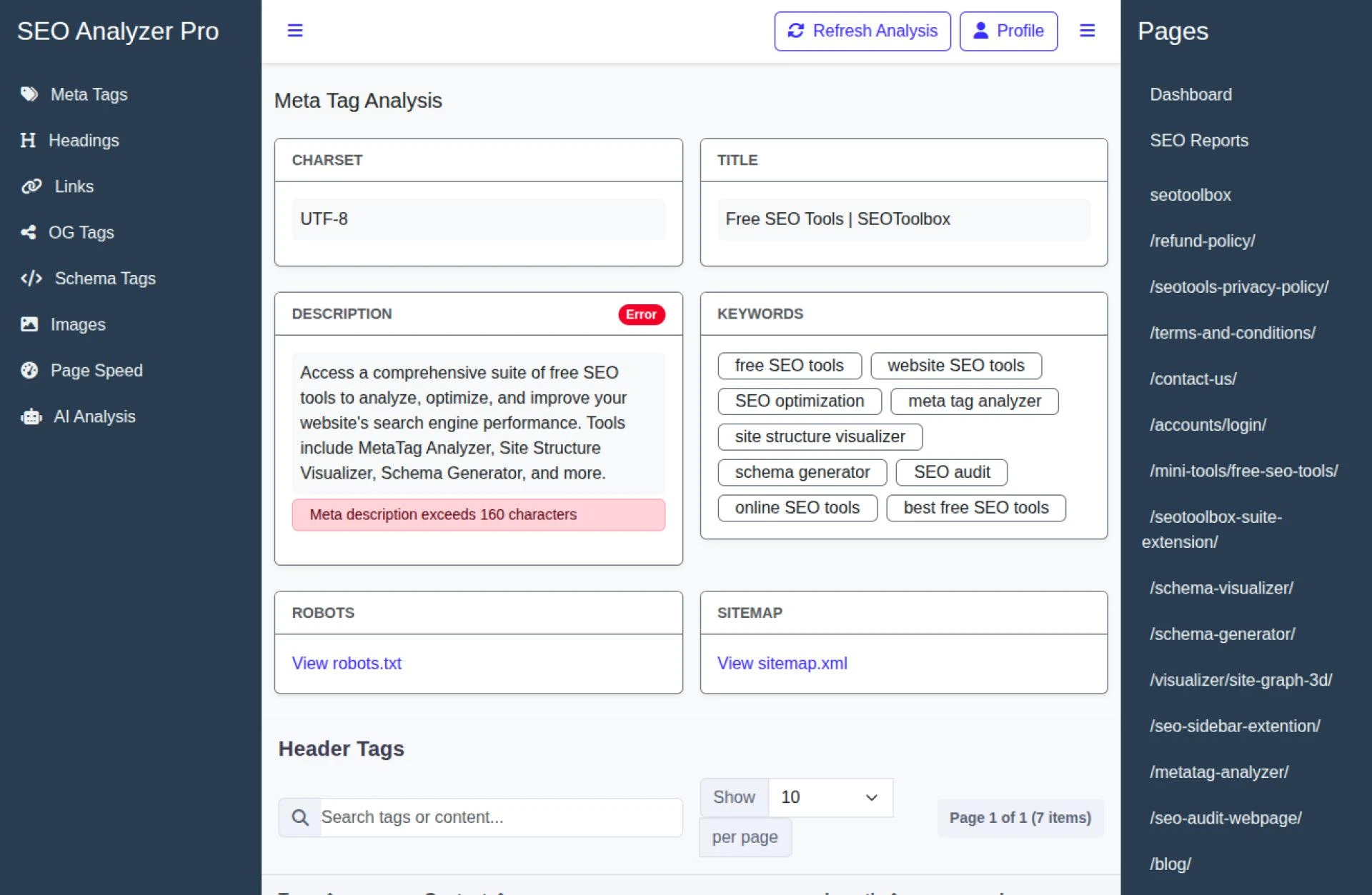
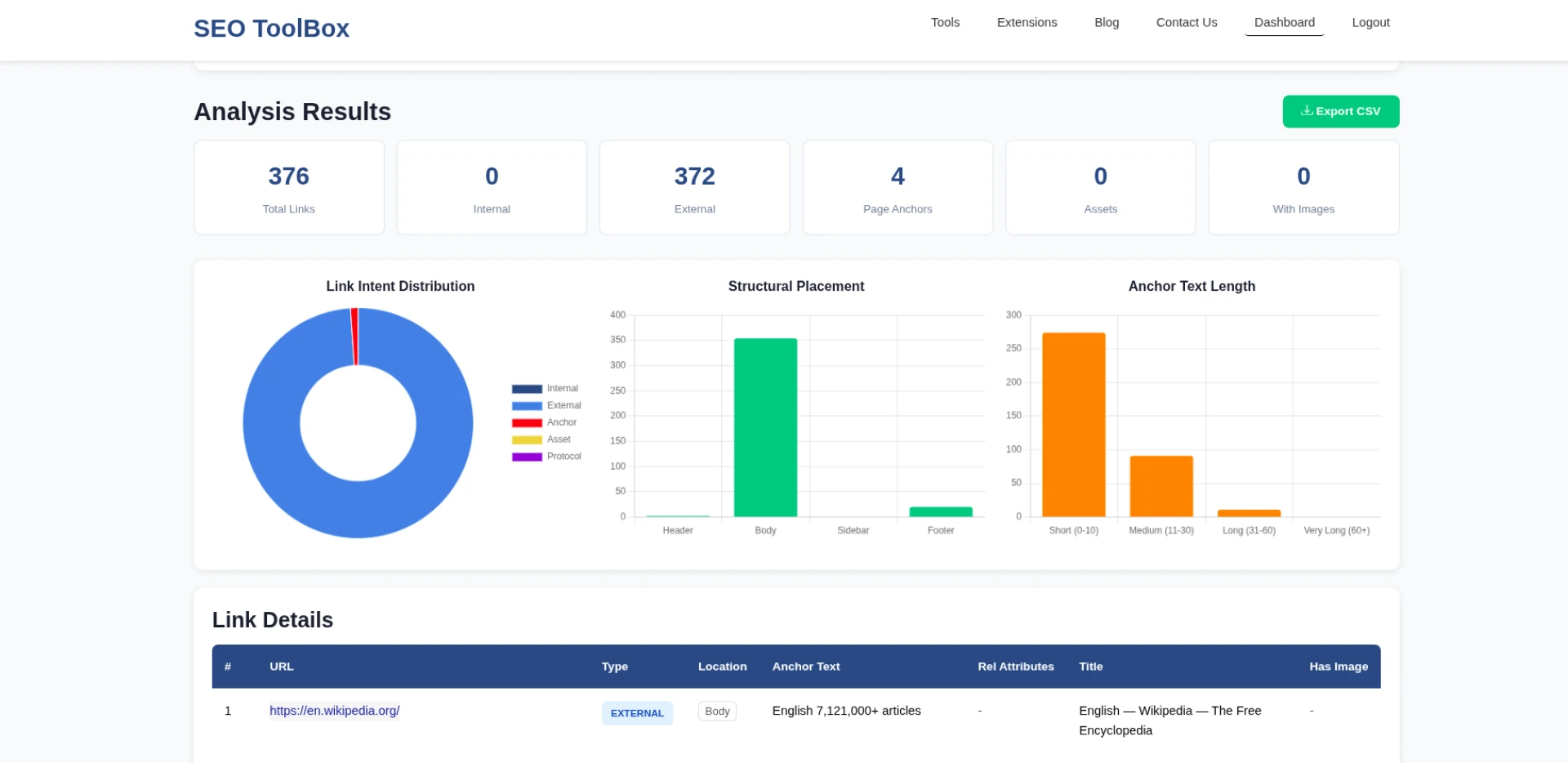
Over the past year, I have audited hundreds of websites using our SEO Analyzer Pro tool at seotoolbox.site. These included SaaS products, agencies, educational platforms, local businesses, and content driven brands.
What stood out was not what was missing technically, but what was missing strategically.
Most of these sites looked fine at first glance. Pages loaded. Titles existed. Links worked. Yet organic growth was flat, rankings were unstable, and search visibility was slowly declining. When we dug deeper, the same underlying problems kept appearing again and again, regardless of industry or size.
This post shares the most common patterns we found and why they quietly limit search performance in 2025.
The Homepage Identity Problem
One of the biggest issues had nothing to do with SEO settings at all.
Many homepages tried to represent the entire business in one place. They listed every service, every feature, every audience, and every location on a single page. Instead of clarity, they created ambiguity.
Search engines need to understand what a site is primarily about. So do users. When a homepage attempts to speak to everyone at once, it sends weak signals to both.
We repeatedly saw homepages with multiple competing main headings, overlapping value propositions, and generic descriptions that could apply to almost any company. From a search perspective, this makes it very hard to associate the page with a clear intent.
A homepage works best when it acts as a strategic entry point, guiding visitors to focused pages based on what they are actually looking for, rather than functioning as a compressed sitemap.
Thin Pages That Never Earn Trust
Another widespread issue was shallow content.
Across audits, roughly sixty percent of sites had important pages with only a few hundred words. These were not blog posts. They were service pages, category pages, or location pages that were expected to rank and convert.
Most of them explained what the company does, but not how, why, or for whom it works best. There was little context, no anticipation of user questions, and no depth that demonstrated real expertise.
Search systems today reward pages that fully explore a topic. That does not mean padding word count. It means answering the natural follow up questions a real person would have before making a decision.
Thin content often signals uncertainty rather than efficiency.
Content That Exists in Isolation
Many sites clearly invested time in creating content, but failed to connect it meaningfully.
We saw clusters of related pages that never referenced each other. Blog posts discussed problems without linking to relevant solutions. Service pages existed without supporting educational content. Guides referenced concepts that were explained elsewhere but never linked.
This breaks topical understanding.
Search engines learn authority through relationships. When pages are linked contextually and intentionally, they form a knowledge network. When they are isolated, they look like disconnected articles rather than a coherent body of expertise.
Very few sites built clear content hubs that showed depth across a subject area.
Expertise That Humans See but Search Engines Do Not
A surprising number of sites had strong credentials, experience, and results, but hid them in ways machines could not understand.
Author information was missing or vague. Credentials lived on generic about pages. Testimonials lacked context. There was little structured data to help search systems associate content with real experts.
Expertise is not just about having experience. It is about making that experience visible and verifiable.
In an era where AI driven systems evaluate sources before surfacing them, invisible expertise is almost the same as no expertise at all.
The Missing Question Layer
Most pages explained offerings, but failed to answer obvious questions.
Pricing expectations, timelines, comparisons, limitations, and suitability were often ignored. These questions were pushed into sales calls instead of being treated as content opportunities.
This creates two problems. First, users leave to find answers elsewhere. Second, AI systems have nothing concrete to extract when users ask direct questions.
Well built FAQ sections, supported by proper structure, consistently performed better in audits than pages that avoided addressing objections.
Internal Links Without Purpose
Almost every site had internal links, but very few used them strategically.
Navigation links existed. Footers were full. But contextual links that explained relationships between topics were rare.
When internal links are placed intentionally, they guide both users and crawlers through a logical learning path. When they exist only for navigation, they add little semantic value.
Structured Data Used Incorrectly or Not at All
Many sites implemented basic schema on the homepage and stopped there.
Service pages, guides, FAQs, authors, and reviews were left unmarked or incorrectly marked. In some cases, schema existed but contained placeholder values or errors.
As search becomes more AI assisted, structured data is one of the clearest ways to communicate meaning. Incomplete or incorrect implementation is a missed opportunity that compounds over time.
The Bigger Pattern We Saw
These problems are not caused by bad tools or outdated tactics. They come from building websites around internal assumptions instead of search behavior and user intent.
Most SEO failures we observed were not technical mistakes. They were architectural ones.
Sites that performed best treated SEO as information design. They structured content deliberately, demonstrated expertise clearly, and connected ideas in a way both humans and machines could follow.
Final Thoughts
If your site is not growing organically, the issue is rarely a missing tag or minor technical error. It is usually a lack of clarity, depth, and structure.
The good news is that these issues are fixable. They require thoughtful content strategy, not manipulation or shortcuts.
If you want a deeper breakdown with real examples and implementation details, the full analysis is published here on our website
https://seotoolbox.site/blog/why-most-websites-fail-seo-audits-and-what-they-miss-every-time/
All insights shared here come from audits conducted using SEO Analyzer Pro across hundreds of real websites.
If you want to understand how your own site compares, start by examining not just what exists on your pages, but how clearly they communicate purpose, expertise, and intent.





























Sign in to leave a comment.