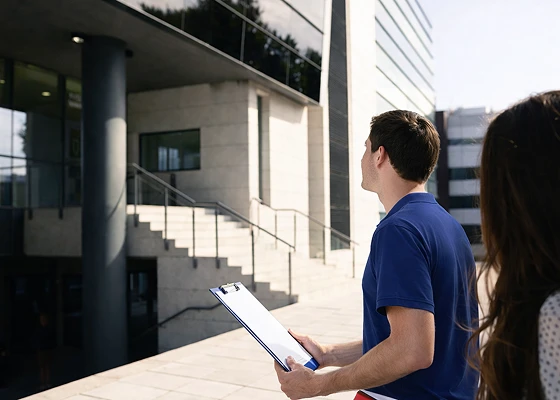

Florida’s built environment faces some of the most demanding structural conditions in the United States. From hurricane-force winds and flooding to salt-laden coastal air and high humidity, buildings must endure constant environmental stress. This is why experienced structural engineers in Florida play a critical role in safeguarding property, protecting occupants, and ensuring long-term durability. Firms like Prema Consulting Group provide specialized expertise tailored to these regional challenges, helping owners and stakeholders make informed, risk-aware decisions.
One of the defining responsibilities of structural engineers in Florida is designing and evaluating buildings for extreme weather resilience. Hurricanes generate powerful uplift forces, flying debris impacts, and storm surge pressures that can compromise structural systems if not properly addressed. Engineers analyze load paths, connection details, and material performance to ensure that structures can withstand these forces. In addition, Florida’s stringent building codes require continuous updates and compliance checks, making professional engineering oversight essential throughout a building’s lifecycle—not just during initial construction.
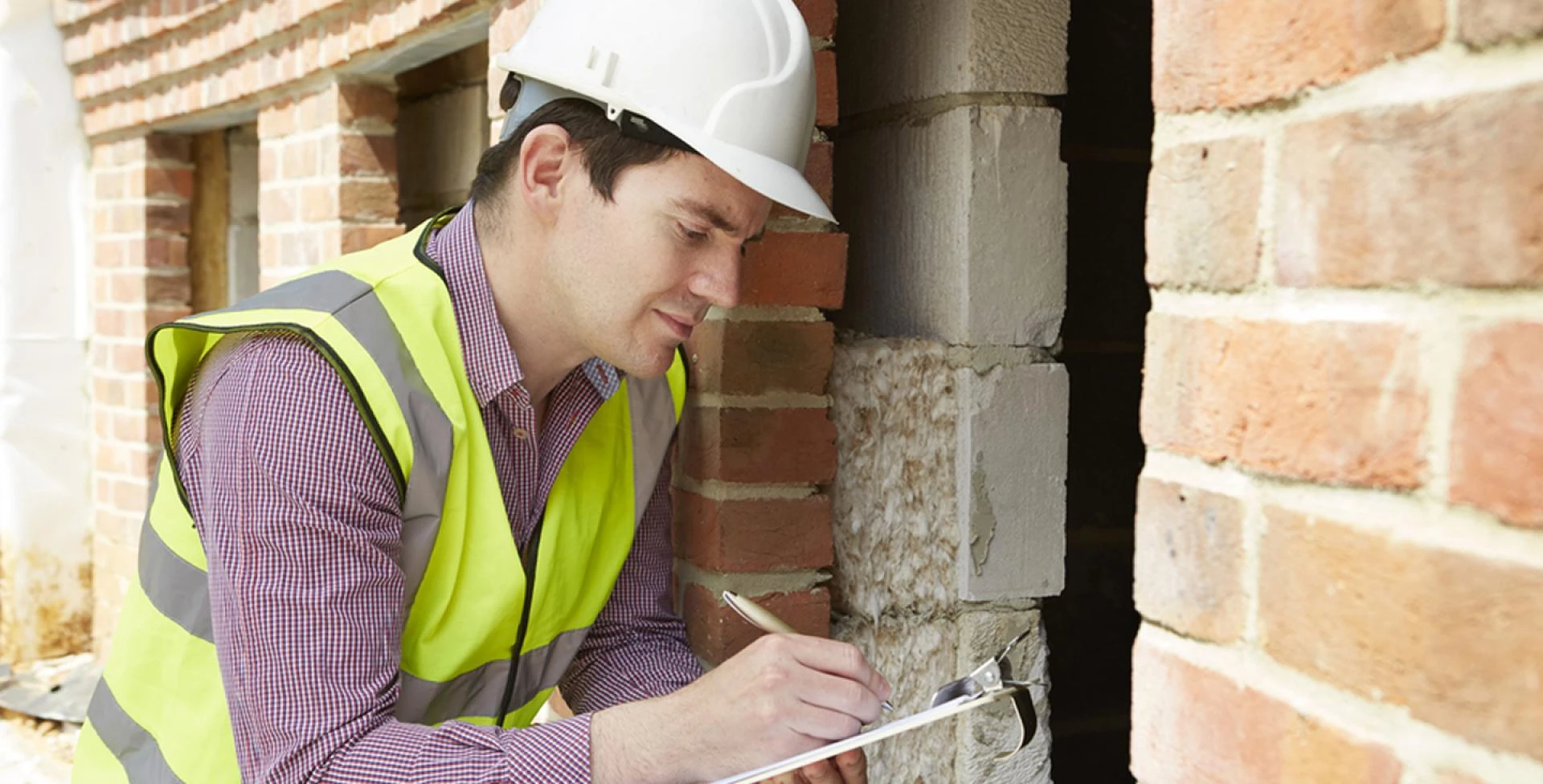
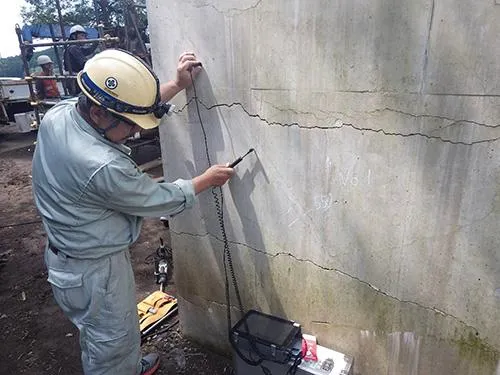
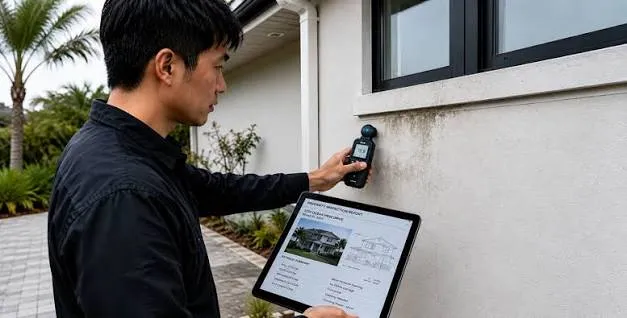
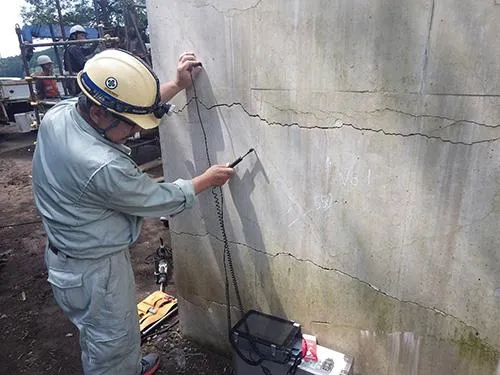
Beyond new design, structural engineers are heavily involved in inspections and condition assessments of existing properties. Many buildings, especially those near the coast, experience accelerated deterioration due to corrosion of reinforcing steel, concrete cracking, and moisture intrusion. Early detection of these issues can prevent costly repairs or catastrophic failures. Engineers conduct visual inspections, nondestructive testing, and detailed structural analyses to identify hidden weaknesses before they escalate. Their findings often guide maintenance planning, rehabilitation strategies, and capital budgeting for property owners.
Structural engineers also serve as technical investigators when problems arise. Cracks, settlement, water intrusion, or unusual structural movement may indicate underlying deficiencies that require expert diagnosis. In such cases, engineers determine root causes, differentiate between cosmetic issues and structural concerns, and recommend corrective measures. This investigative role overlaps with the work performed by forensic engineering companies , particularly when failures, disputes, or insurance claims are involved. Their objective analysis provides clarity in complex situations where financial and safety implications are significant.
Another important function involves collaboration with construction defect consultants during disputes related to workmanship, materials, or design errors. Structural engineers review construction documents, inspect as-built conditions, and evaluate whether deficiencies deviate from accepted standards or code requirements. Their professional opinions often carry substantial weight in mediation, arbitration, or litigation because they are grounded in engineering principles and documented evidence. This expertise helps stakeholders resolve conflicts efficiently while prioritizing safety and compliance.
In metropolitan areas, specialized services such as forensic engineering tampa investigations are increasingly in demand due to aging infrastructure and dense development. Engineers assess structural performance after storms, fires, vehicle impacts, or other damaging events. They determine whether buildings remain safe for occupancy, require repair, or need partial demolition. Rapid, accurate assessments minimize downtime and support timely recovery for businesses and residents alike.
Ultimately, structural engineers in Florida act as both designers and guardians of the built environment. Their work extends far beyond calculations; it encompasses risk management, public safety, regulatory compliance, and long-term asset protection. By combining advanced technical knowledge with regional experience, they help ensure that buildings can endure Florida’s harsh conditions while maintaining functionality and value.
For property owners, developers, and managers, partnering with a qualified structural engineering firm is not merely a regulatory requirement—it is a strategic investment. Proactive engineering guidance reduces uncertainty, prevents unexpected failures, and supports resilient construction practices that stand the test of time.

















Sign in to leave a comment.