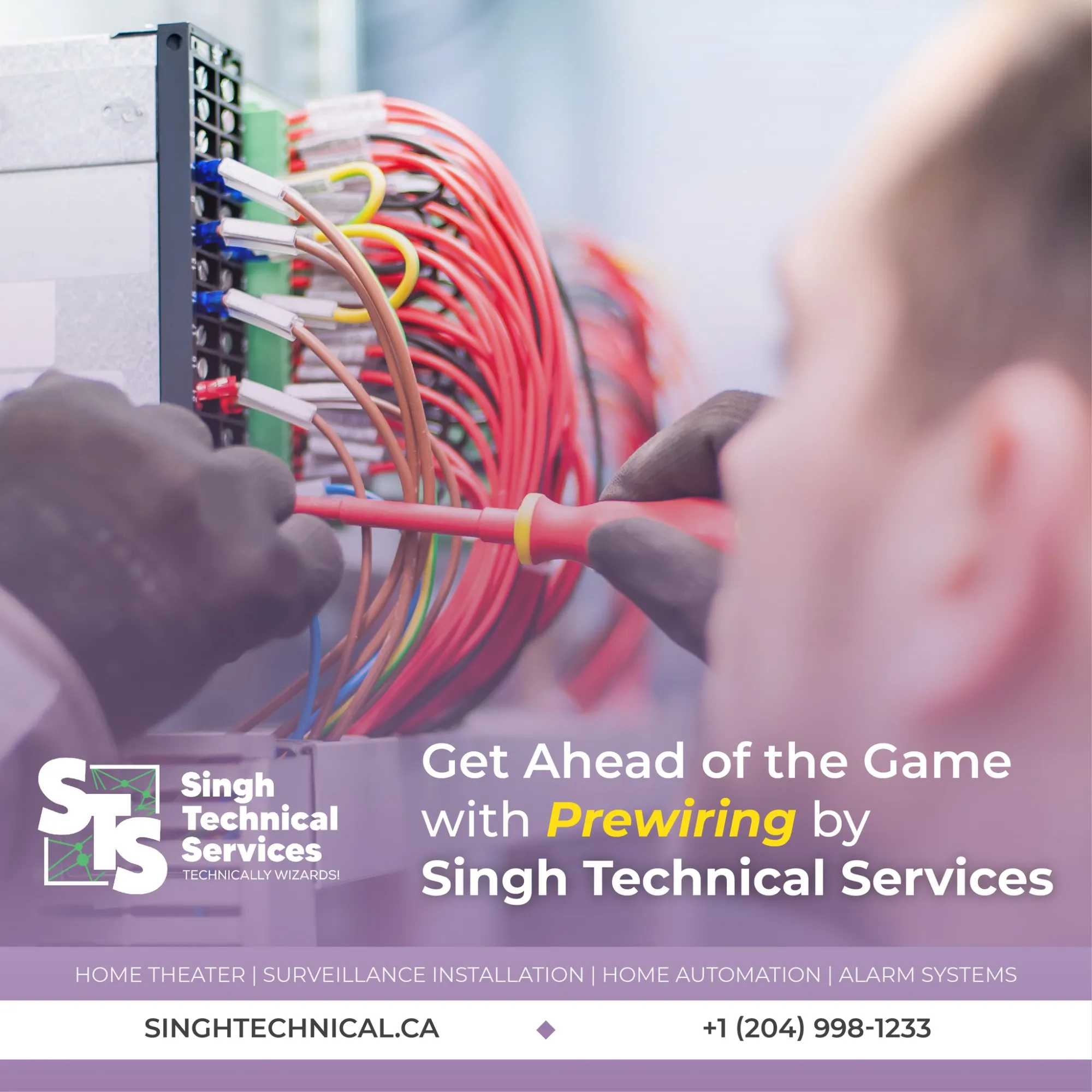

In today is fast-paced and interconnected business environment, having a reliable and scalable network infrastructure is vital. With businesses increasingly dependent on digital tools, cloud-based services and real-time communication, ensuring your network is fast, secure and future-ready is a top priority. This is where structured cabling installation comes into play.
Whether you are upgrading your current network or setting up a new office, structured cabling provides the foundation for a robust, organized and efficient network infrastructure. Not only does it enhance the performance and reliability of your systems, but it also supports future growth, helping your business adapt to ever-changing technological demands.
Why Is Structured Cabling Installation Critical for Efficient Networks?
Structured cabling installation is the systematic process of laying out and organizing cables that support various communication systems within an organization. It includes data, voice and video networks that enable employees to stay connected and perform their jobs efficiently. In a structured cabling system, all cables are routed through a network of pathways and connected to standardized components like switches, patch panels and outlets, providing a unified and well-organized network infrastructure.
So why is it so important?
- Scalability and Flexibility: As your business grows, so does the need for more data connections, increased bandwidth and improved network performance. Structured cabling systems are designed to scale as needed, offering flexibility to accommodate future expansion without needing a complete overhaul. business grows,
- Performance and Efficiency: By using high-quality materials and following industry standards, structured cabling minimizes interference and supports high-speed data transmission. This enhances network performance, reduces downtime, and ensures smoother business operations.
- Cost-Effective in the Long Run: Though the initial cost of installation might be higher than traditional cabling systems, structured cabling pays off in the long run. The organized layout simplifies maintenance, reduces troubleshooting time and minimizes the risk of costly repairs.
Why Structured Cabling Installation is Essential for Modern Businesses
Structured cabling offers several significant advantages that make it an invaluable investment:
- Future Scalability: As your business grows, so does the need for a more robust network. Structured cabling systems are designed to accommodate this growth by providing easy scalability. Whether you are expanding your office, adding more devices, or increasing your data capacity, structured cabling allows for effortless upgrades.
- Improved Network Performance: A well-designed structured cabling system optimizes your network's performance, providing faster data transfer speeds, better signal quality and improved reliability. It reduces interference and minimizes the risk of network failure, ensuring smooth communication and minimal downtime.
- Simplified Maintenance and Troubleshooting: Structured cabling is organized and standardized, which makes troubleshooting simpler. If a problem arises, technicians can quickly identify and resolve the issue without digging through a mess of cables. This results in faster resolutions and less disruption to daily operations.
- Cost-Effective in the Long Run: While the upfront investment in structured cabling installation can be higher than traditional methods, it is a cost-effective solution over the long term. The reduced need for repairs, easier maintenance and future-proof design save businesses money on ongoing network upgrades and downtime.
Key Advantages of Structured Cabling for Modern Enterprises
Structured cabling brings several key advantages to businesses, regardless of size or industry. Below are some of the primary benefits that businesses can experience when they invest in a professional structured cabling installation:
1. Improved Network Reliability
Structured cabling systems provide a more stable and reliable network, which is essential for businesses that depend on constant connectivity. A well-organized system ensures that all communication pathways are clear and optimized, reducing the chances of connection failures and network disruptions.
2. Simplified Troubleshooting and Maintenance
One of the major benefits of structured cabling is its organized and systematic approach. Cables are neatly arranged and labeled, making it much easier to diagnose and resolve network issues. This streamlined process reduces downtime and maintenance costs, helping your business stay operational.
3. Future-Proof Infrastructure
As technology continues to evolve, so do network requirements. Structured cabling is designed with future upgrades in mind. Whether you need to integrate new devices, switch to fiber optic cables for faster speeds or expand your network for more users, structured cabling makes these changes straightforward and cost-effective.
4. Enhanced Security
With structured cabling, the risk of unauthorized access to sensitive data is minimized. A professionally installed system keeps cables organized, reducing the potential for physical tampering or accidental disconnections. Additionally, structured cabling helps ensure that network data flows securely between devices.
5. Efficient Data Transmission
Structured cabling uses high-quality cables that ensure minimal data loss, higher bandwidth and faster speeds. This is particularly beneficial for businesses that handle large volumes of data or rely on real-time data for decision-making, such as financial services or e-commerce companies.
Step-by-Step Guide to Structured Cabling Installation
A successful structured cabling installation requires careful planning and execution. Here is a step-by-step guide to the process:
1. Needs Assessment and Network Design
The initial step involves evaluating your business requirements. How many devices will be connected to the network? What is the required data transfer speed? Using these factors, a network design will be developed, considering the cable types (such as Cat5e, Cat6 or fiber optics) and the most effective routing paths.
2. Cable Routing and Installation
Once the design is finalized, the physical installation of cables begins. This involves running cables through walls, ceilings and floors while ensuring that they adhere to industry standards. The cables are organized to minimize signal interference and avoid clutter.
3. Equipment Installation
Next, the network components, such as patch panels, switches and routers, are installed. These devices are strategically placed to optimize network performance and allow for easy access to manage the system.
4. Testing and Certification
Once the installation is complete, the network is tested for performance, signal strength and data transfer speeds. A certified installer ensures that the system meets industry standards and that all connections are functioning correctly.
5. Documentation and Ongoing Support
Finally, thorough documentation is provided, which includes a map of the network layout and a record of all cables and equipment. Ongoing support and maintenance are also recommended to ensure that the system continues to perform at its best.
How Structured Cabling Installation Enhances Network Efficiency
1. Reduces Interference and Improves Speed
Structured cabling reduces electromagnetic interference (EMI) and crosstalk between cables, which enhances the speed and reliability of your network. This is crucial for businesses that rely on high-speed data transmission, such as those in the tech and financial sectors.
2. Efficient Data Management
With a structured cabling system, data flows smoothly and efficiently, reducing bottlenecks and improving the overall speed of your network. This means faster file transfers, quicker access to cloud applications and more responsive communication.
3. Better Resource Allocation
With structured cabling, you can prioritize different types of data traffic, ensuring that critical systems (such as voice or video communication) are allocated the bandwidth they need to function optimally.
Why Choose Singh Technical Services for Your Structured Cabling Installation?
When it comes to structured cabling installation, choosing the right service provider is essential. Here’s why Singh Technical Services is your ideal partner:
1. Expertise and Experience
With years of experience in the structured cabling industry, Singh Technical Services is equipped to handle any installation project. Our team of certified professionals ensures that your cabling system is designed and installed according to the highest industry standards.
2. Tailored Solutions for Your Business
We understand that every business has unique needs. That’s why we offer customized structured cabling services tailored to your specific requirements. Whether you are a small office or a large enterprise, we’ll design a solution that fits your current needs and future growth.
3. High-Quality Materials
We use only the highest-quality cables and equipment to ensure the durability and reliability of your network. Our materials meet or exceed industry standards, ensuring your system will perform optimally for years to come.
4. Transparent Pricing
We offer competitive pricing without compromising on quality. Our transparent pricing model ensures you understand the cost upfront, with no hidden fees.
5. Ongoing Support
Singh Technical Services offer ongoing maintenance and support to ensure your structured cabling system continues to run efficiently. We’re here to provide troubleshooting, upgrades, and anything else you need to keep your network in top shape.
FAQs About Structured Cabling Installation
Q. What is structured cabling installation?
Structured cabling installation is the process of organizing and laying out network cables and equipment to support voice, data and video communications in a business.
Q. Why is structured cabling essential for businesses?
Structured cabling provides faster data transfer speeds, reduces downtime, enhances network security, and supports future growth by offering a scalable and organized network infrastructure.
Q. How long does a structured cabling installation take?
The installation time varies based on the complexity of the project, but most installations take between a few days to a few weeks, depending on the size and scope of your network.
Q. How much does structured cabling installation cost?
Costs vary depending on factors like the size of the installation, the type of cables used, and the complexity of the network. We offer competitive pricing and provide a detailed quote before starting any work.
Q. Can structured cabling improve my network's performance?
Yes, structured cabling enhances network performance by reducing interference, optimizing bandwidth, and providing faster, more reliable data transfer, which is crucial for business operations.






























Sign in to leave a comment.