
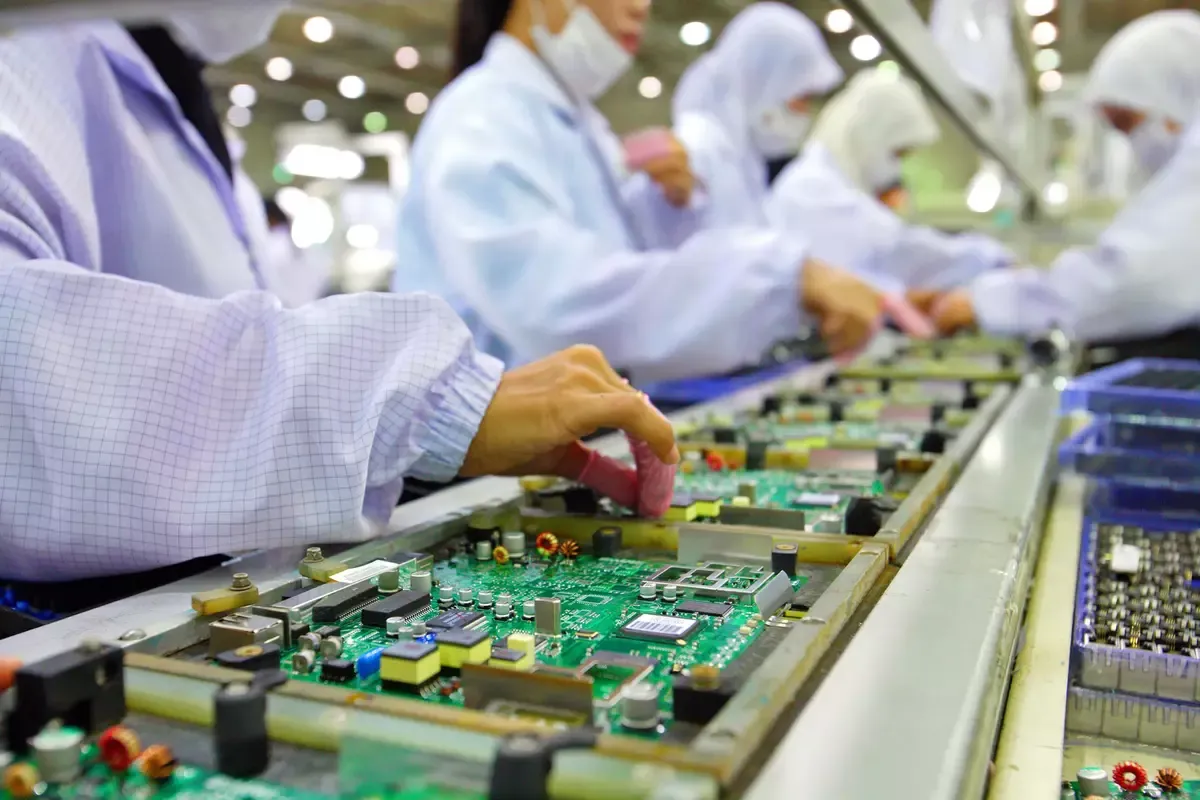
Semiconductor manufacturing is one of the most environmentally sensitive industries in the world. A single micron-level deviation in airflow, temperature, or pressure can compromise an entire production batch costing manufacturers millions in scrapped wafers and lost production time. This is why Testing, Adjusting & Balancing (TAB) has become one of the most critical, yet under-discussed, disciplines in cleanroom and HVAC engineering today.
What Is TAB, and Why Does It Matter So Much in Cleanrooms?
TAB is the systematic process of testing, adjusting, and balancing HVAC systems including Fan Coil Units (FCUs), Variable Air Volume (VAV) systems, and supply/return grilles to ensure they perform exactly to design specification. In a typical commercial building, a small imbalance in airflow might mean a slightly warm meeting room. In a semiconductor fab, the same imbalance can mean:
- Particle contamination exceeding ISO cleanroom classification limits
- Pressure cascade failures between cleanroom zones, allowing cross-contamination
- Temperature and humidity drift that affects photolithography accuracy
- Equipment downtime during requalification after a failed environmental audit
Because semiconductor fabs operate under extremely tight tolerances (often ISO Class 5 or better), TAB isn't a "nice-to-have" quality check it's a foundational requirement for operational readiness and regulatory compliance.
The Technical Challenges Unique to Fab Environments
Balancing HVAC systems in an active semiconductor facility is fundamentally different from balancing a typical commercial building, for a few reasons:
1. Zero tolerance for disruption. Fabs often run 24/7, and manufacturing lines cannot be paused for convenience. TAB technicians must plan and execute diagnostic work around live production schedules, which demands precise coordination with facility and process engineering teams.
2. Scale and complexity. A single fab can have hundreds of FCUs, VAVs, and grilles feeding interconnected cleanroom zones. Balancing one unit in isolation isn't enough the entire airflow network has to be tuned so that pressure cascades and particle counts remain stable facility-wide.
3. Compounding precision requirements. Airflow, temperature, and pressure aren't independent variables they interact. Adjusting one system can shift the balance elsewhere, which is why NEBB-certified methodologies (rather than ad-hoc field adjustments) are essential for repeatable, defensible results.
The NEBB-Certified Approach
Facilities that take environmental control seriously typically insist on NEBB (National Environmental Balancing Bureau) certified TAB providers. A structured NEBB approach generally includes:
- Diagnostic assessment baseline testing of existing FCU/VAV performance against design intent
- Precision adjustment calibrated tuning of airflow distribution, temperature stability, and pressure regulation
- Validation and documentation repeatable test data that can withstand regulatory audits and client engineering review
This structured rigor is what separates a compliant, audit-ready cleanroom from one that merely "feels" balanced.
Why This Matters Beyond the Fab Floor
Well-executed TAB doesn't just protect yield it protects the broader ecosystem around a facility:
- Regulatory standing: ISO 14644 cleanroom compliance depends heavily on validated airflow and particle control, which in turn depends on properly balanced HVAC systems.
- Energy efficiency: Poorly balanced systems often run harder than necessary to compensate for imbalance, driving up operating costs over the facility's lifetime.
- Regional competitiveness: In manufacturing hubs like Penang, Batu Kawan, and other growing semiconductor corridors in Southeast Asia, facilities that can demonstrate rigorous environmental control become more attractive for global chipmakers choosing where to invest.
Final Thoughts
As semiconductor manufacturing continues to expand across Southeast Asia, the facilities that will stand out aren't just the ones with the newest equipment they're the ones with the most rigorously validated environments. TAB is often invisible when done well, and catastrophic when neglected. For fab owners, contractors, and M&E consultants alike, investing in NEBB-certified TAB expertise early in a project isn't just a compliance checkbox it's a direct investment in yield, uptime, and long-term operational reliability.


























Sign in to leave a comment.