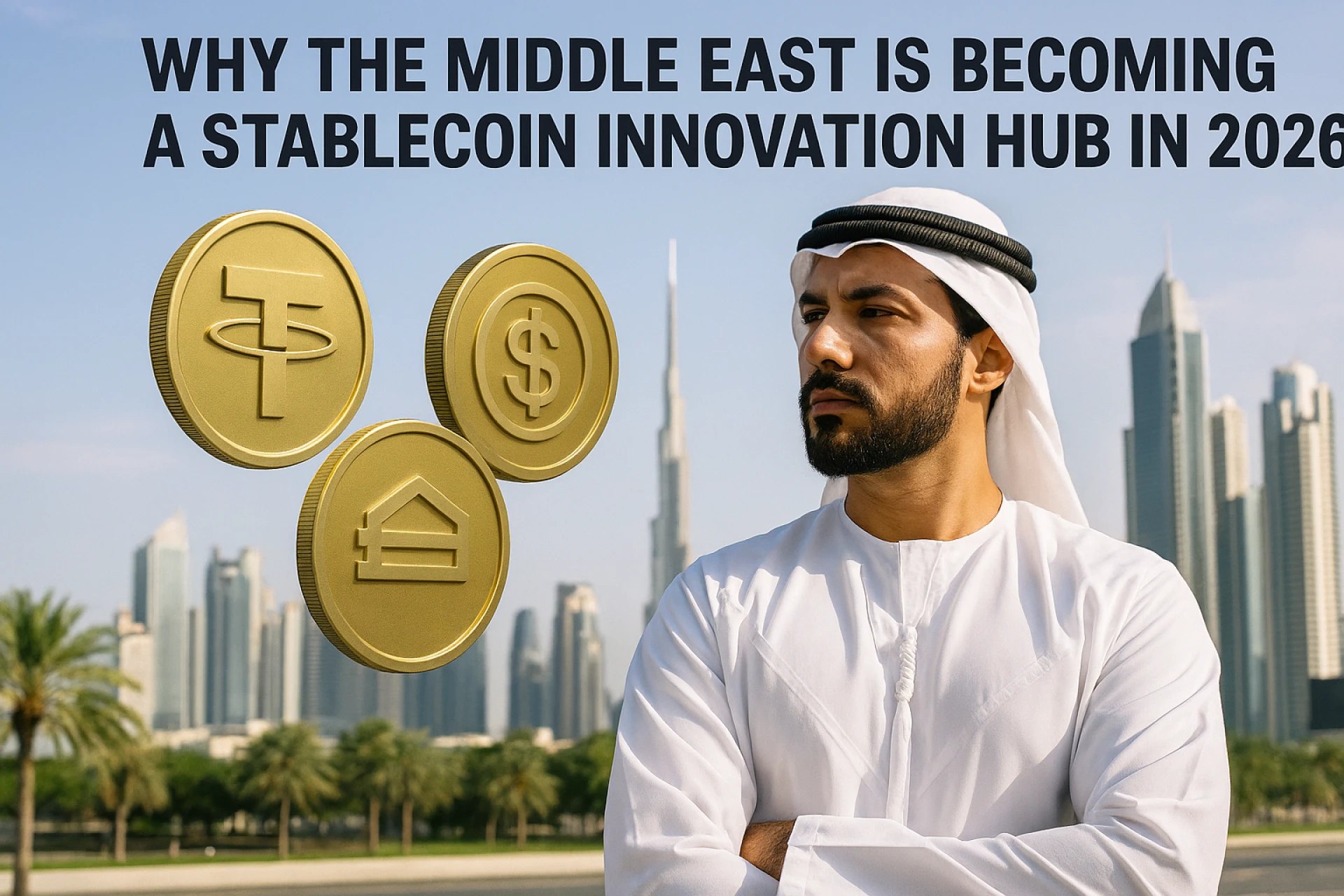

The Middle East is rapidly emerging as a Stablecoin Innovation Hub in 2026, driven by a combination of progressive regulatory frameworks, strategic investments, and technological adoption. Traditionally known for its energy resources and financial services, the region is now positioning itself as a global leader in blockchain-based financial instruments, particularly stablecoins. Stablecoins, which are cryptocurrencies pegged to a reserve asset like the US dollar or gold, are increasingly being viewed as a bridge between traditional finance and digital assets, offering stability, liquidity, and compliance-friendly solutions.
Regulatory Frameworks Fueling Innovation
One of the primary drivers behind the Middle East’s ascent as a Stablecoin Innovation Hub is the proactive regulatory approach taken by governments. The United Arab Emirates (UAE), for example, has established regulatory sandboxes through entities like the Dubai Financial Services Authority (DFSA) and the Abu Dhabi Global Market (ADGM). These sandboxes allow fintech startups and established financial institutions to experiment with stablecoin projects under controlled conditions, mitigating risks while promoting innovation.
Similarly, Bahrain and Saudi Arabia have introduced frameworks to regulate digital assets, including licensing requirements for issuers and custodians of stablecoins. This legal clarity reduces operational ambiguity and builds investor confidence, enabling both local and international firms to participate actively in the development and deployment of stablecoins.
Technological Infrastructure and Blockchain Adoption
Another critical factor positioning the Middle East as a Stablecoin Innovation Hub is its state-of-the-art technological infrastructure. Countries like the UAE and Qatar are investing heavily in blockchain networks, cloud computing, and cybersecurity measures to ensure that digital assets are secure, scalable, and interoperable with existing financial systems.
Blockchain protocols supporting stablecoins in the region are designed to enable high transaction throughput, low latency, and transparent auditing mechanisms. Projects often leverage permissioned blockchains for regulatory compliance or hybrid models that combine public and private chains. This technical sophistication attracts global fintech players seeking stablecoin development solutions that meet international standards while addressing regional compliance requirements.
Strategic Financial Ecosystem
The Middle East has a unique financial ecosystem that further accelerates stablecoin innovation. Major sovereign wealth funds, banks, and venture capital firms are increasingly investing in blockchain startups and stablecoin projects. The liquidity injected by these institutions enables rapid product development, pilot programs, and cross-border payment solutions.
Stablecoins in the region are being integrated with remittance services, trade finance, and central bank digital currency (CBDC) experiments. For instance, cross-border settlement initiatives between UAE and Saudi financial institutions demonstrate the ability of stablecoins to streamline payments, reduce transaction costs, and enhance transparency. This synergy between private innovation and institutional support is a defining characteristic of the Middle East’s stablecoin landscape.
Talent and Knowledge Ecosystem
Innovation hubs rely heavily on talent and expertise, and the Middle East is cultivating a strong blockchain and fintech workforce. Universities, coding bootcamps, and private training programs are producing professionals skilled in blockchain architecture, smart contract development, cryptoeconomics, and compliance.
Moreover, international collaborations are fostering knowledge transfer. Several global blockchain firms are establishing regional offices or partnerships to leverage local talent while contributing advanced technological know-how. This ensures that the Middle East is not only a site for experimentation but also a center for thought leadership in stablecoin standards, protocols, and compliance frameworks.
Strategic Advantages for Stablecoin Adoption
The Middle East offers strategic advantages that make it an ideal region for stablecoin adoption. Its geographic positioning between Asia, Europe, and Africa facilitates cross-border trade and financial transactions. Additionally, the region’s high smartphone penetration, growing digital payment adoption, and young, tech-savvy population create an ideal environment for digital asset utilization.
Stablecoins provide an opportunity to address several long-standing challenges in the region, including currency volatility, inefficiencies in remittances, and underbanked populations. By leveraging blockchain-based stablecoins, businesses and consumers can transact seamlessly across borders while minimizing exposure to exchange rate risks.
Challenges and Considerations
While the Middle East is making rapid progress as a Stablecoin Innovation Hub, there are challenges to navigate. Regulatory divergence across jurisdictions can create complexity for multinational firms. Security risks, including smart contract vulnerabilities and cyberattacks, require constant mitigation strategies. Furthermore, integrating stablecoins with legacy banking infrastructure demands collaboration between traditional financial institutions and blockchain innovators.
Despite these hurdles, the region’s focus on regulatory clarity, technological adoption, and financial ecosystem maturity positions it well for sustainable growth in the stablecoin sector.
Looking Ahead: The Middle East as a Global Leader
In 2026, the Middle East’s positioning as a Stablecoin Innovation Hub signals a transformative shift in the global digital finance landscape. By combining regulatory foresight, advanced blockchain infrastructure, strategic financial investment, and talent development, the region is creating a sustainable and innovative environment for stablecoin projects.
The integration of stablecoins into everyday financial operations, cross-border payments, and emerging digital finance applications underscores the region’s ambition to lead global innovation. For fintech firms and investors, the Middle East represents both an experimental playground and a long-term growth market. As nations continue to refine policies and expand infrastructure, the region is set to redefine how stablecoins are developed, deployed, and adopted globally.































Sign in to leave a comment.