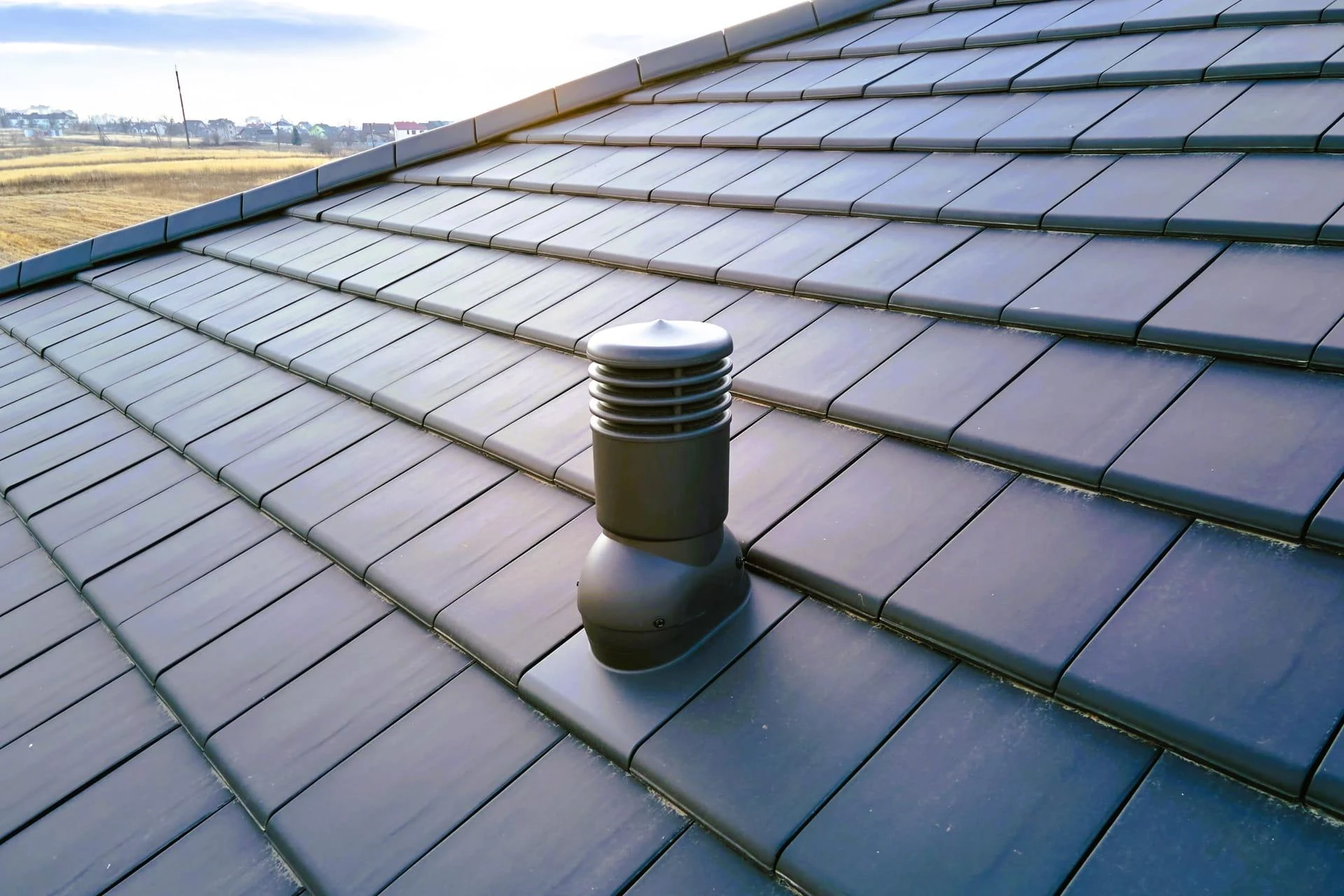

A roof serves as more than just a protective barrier; it regulates indoor temperatures and safeguards a home’s structure. Effective roof ventilation plays a pivotal role in these functions, yet it often goes unnoticed by many homeowners. Experienced roofers emphasize proper ventilation as a crucial factor in preventing damage, reducing energy costs, and extending the roof’s lifespan. Knowing how ventilation systems work and why they matter equips homeowners to maintain their roofs and avoid costly issues.
How roof ventilation systems function
Roof ventilation systems create consistent airflow through the attic, balancing incoming and outgoing air. Professional roofers frequently explain the importance of this system, as it helps regulate both temperature and moisture levels. For instance, one inspection revealed excessive attic heat and condensation due to poorly maintained vents, which caused premature shingle aging.
- Intake vents: Located at the eaves, these allow cooler outside air to flow into the attic.
- Exhaust vents: Positioned near the ridge or roof peak, these release hot and humid air from the attic.
- Balanced circulation: Proper alignment between intake and exhaust vents ensures air moves effectively, preventing moisture accumulation and heat buildup.
A well-designed ventilation system protects the roof and supports the home’s overall energy efficiency.
Common indicators of inadequate ventilation
Inadequate ventilation can lead to numerous problems that affect both the roof and indoor spaces. Roofers often identify these signs during routine inspections, enabling homeowners to take preventive action. A roofer once discovered mold and rotting wood in an attic, issues that stemmed from blocked vents and insufficient airflow.
- Rising energy bills: Poor ventilation forces HVAC systems to overwork, leading to increased electricity usage.
- Mold or mildew growth: Moisture trapped in the attic provides an ideal environment for fungal development.
- Damaged roofing materials: Excess heat and humidity can cause shingles to warp, curl, or crack prematurely.
The U.S. Department of Energy states that addressing ventilation issues can significantly improve a home’s energy performance while minimizing repair costs.
Ways ventilation preserves your roof
Proper ventilation does more than enhance energy efficiency; it helps prevent structural damage and extends the life of a roof. Roofers often stress that ventilation protects against issues such as rot, mold, and ice dam formation. Without adequate airflow, moisture can seep into insulation and wood, weakening the roof’s foundation.
- Eliminates trapped moisture: Balanced airflow reduces the risk of water damage to wood and insulation.
- Reduces material stress: Proper ventilation minimizes the expansion and contraction of roofing materials caused by temperature fluctuations.
- Prevents ice dams: Ventilation helps regulate attic temperature, preventing uneven snowmelt and ice accumulation during winter.
These advantages illustrate why roofers view ventilation as a cornerstone of effective roof maintenance.
Advantages of effective roof ventilation
A well-ventilated roof provides numerous benefits that enhance a home’s comfort and durability. Roofers often highlight how these systems improve indoor air quality, reduce utility costs, and extend the life of both the roof and HVAC equipment. For example, a homeowner noticed their cooling costs drop significantly after improving their roof’s ventilation.
- Lowers energy consumption: Proper ventilation reduces heat transfer, easing the load on heating and cooling systems.
- Extends roof durability: By preventing moisture and thermal stress, ventilation preserves roofing materials.
- Enhances indoor air quality: Ventilation reduces humidity and removes pollutants, creating a healthier living environment.
The Environmental Protection Agency (EPA) notes that improving ventilation can also reduce allergens, contributing to better health for occupants.
Mistakes that compromise roof ventilation
Improper installation or maintenance of ventilation systems often leads to inefficiencies and damage. Roofers frequently encounter common errors, such as blocked vents or mixing incompatible vent types, which disrupt airflow and reduce effectiveness. For instance, one attic had both ridge vents and gable vents, creating air pockets and stagnant zones.
- Obstructed vents: Debris or insulation often blocks airflow, reducing a system’s efficiency.
- Combining vent types: Using multiple vent styles disrupts the balance of intake and exhaust airflow.
- Excessive venting: Overventilation can allow water to enter during heavy rain or storms, causing moisture damage.
These challenges highlight the importance of hiring skilled roofers to assess and optimize ventilation systems.
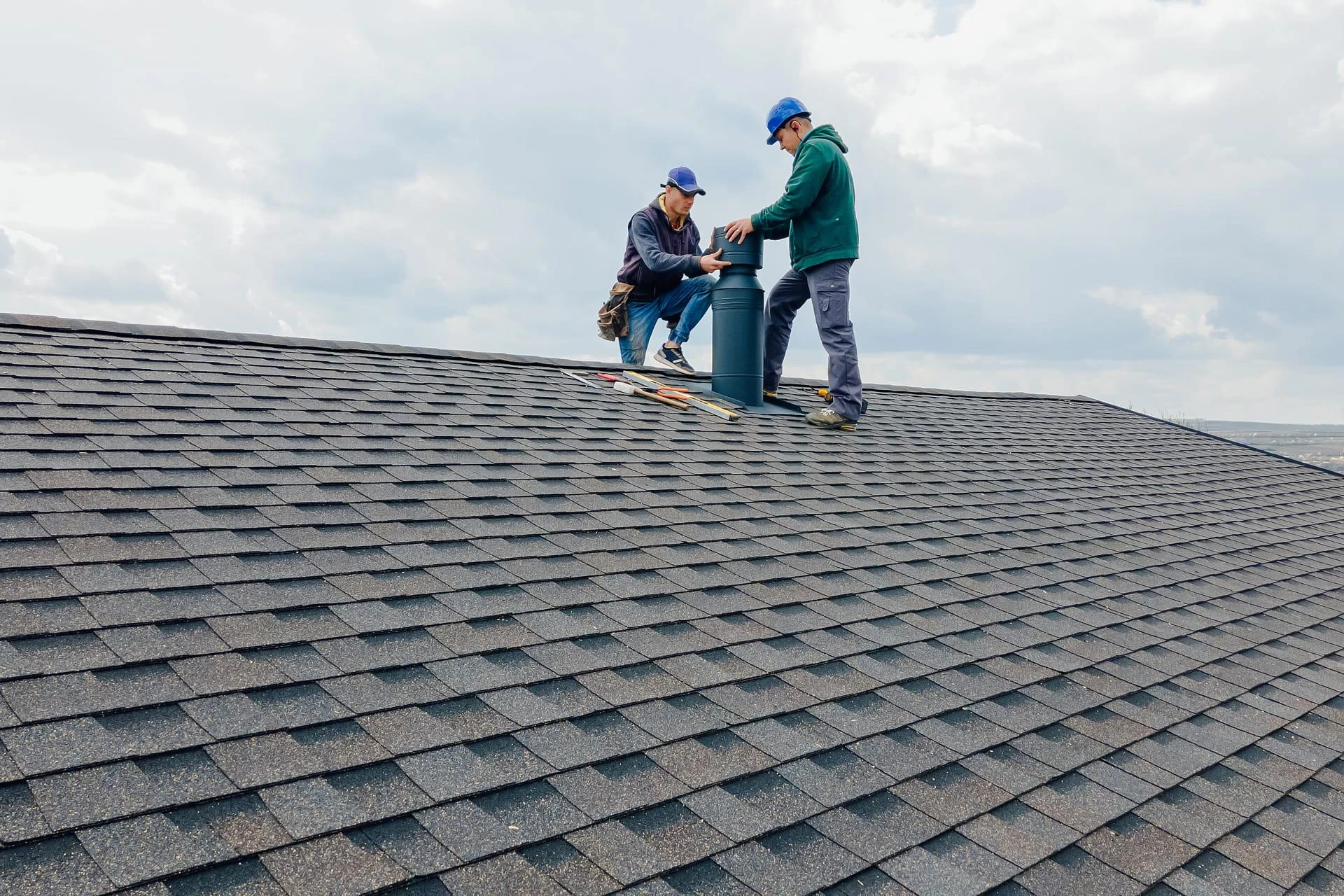
Professional methods to improve ventilation
Roofers use a range of techniques to improve ventilation, tailoring solutions to a home’s specific needs. Adding vents, clearing obstructions, and designing systems that match the roof’s structure ensure effective and lasting results. One homeowner saw a marked improvement in attic temperature and energy efficiency after roofers installed soffit and ridge vents.
- Installing additional vents: Roofers assess existing systems and add intake or exhaust vents where needed.
- Clearing blockages: Removing debris and ensuring vents remain unobstructed optimizes airflow.
- Custom ventilation designs: Professionals create balanced systems that suit the roof’s pitch, size, and material.
These approaches demonstrate the value of professional expertise in maintaining proper roof ventilation.
In-depth analysis of roof ventilation’s role
Proper roof ventilation is essential for protecting a home’s energy efficiency, structural health, and overall comfort. Roofers consistently emphasize its importance in preventing moisture damage, extending the roof’s lifespan, and reducing energy expenses. By addressing common ventilation issues, such as blocked or improperly installed vents, professionals ensure that roofs remain durable and functional. A well-ventilated roof benefits not only the home but also the homeowners who enjoy lower bills and a healthier living environment.
Key takeaways about roof ventilation
- Proper ventilation systems prevent moisture damage and extend the life of roofing materials.
- Poor ventilation leads to higher energy costs, mold growth, and premature wear of shingles.
- Skilled roofers use advanced techniques to design and optimize ventilation systems.
- Improving ventilation enhances energy efficiency, indoor air quality, and roof durability.
- Regular inspections help identify ventilation problems before they cause major damage.
Frequently Asked Questions
1. Why is roof ventilation so important?
It prevents heat and moisture buildup, protecting the roof and improving energy efficiency.
2. What are common signs of poor ventilation?
High energy bills, mold in the attic, and damaged shingles are typical indicators of inadequate ventilation.
3. How do roofers address ventilation issues?
Roofers inspect systems for blockages, add necessary vents, and design balanced airflow solutions tailored to the home.
4. Can poor ventilation damage a roof?
Yes, insufficient airflow traps moisture and heat, leading to issues like rot, mold, and material degradation.
5. What types of vents are most effective for roofs?
Soffit vents for intake and ridge vents for exhaust are commonly recommended for balanced ventilation.
































Sign in to leave a comment.