
Social media language evolves faster than ever. New abbreviations, acronyms, and slang terms appear almost daily across platforms like Instagram, TikTok, X, and Reddit. While these expressions help users communicate quickly, they can also create confusion for brands trying to connect with their audiences.
For businesses, marketers, and content creators, understanding internet slang is no longer optional. It plays a significant role in audience engagement, community management, and content relevance.
The Growing Influence of Social Media Language
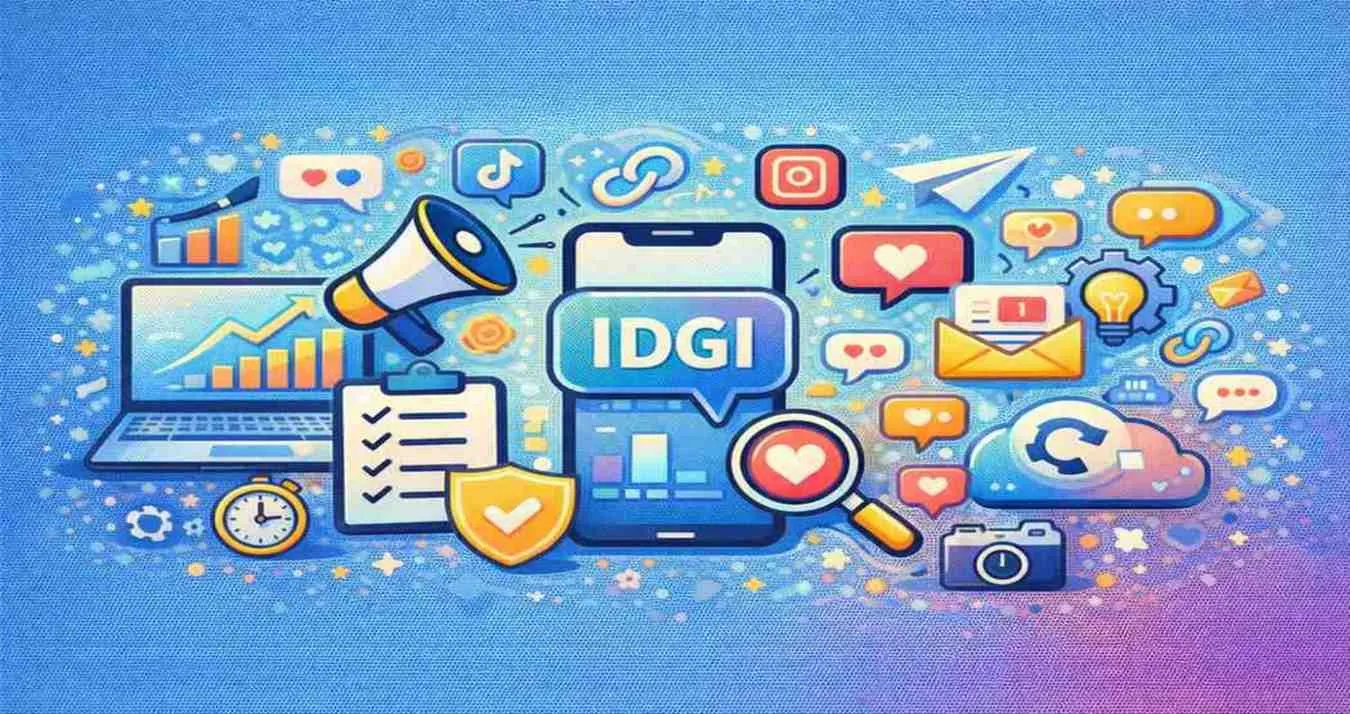
Online conversations are filled with abbreviations that make communication faster and more casual. Terms such as LOL, IYKYK, IRL, and IDGI have become common across social platforms.
These expressions often emerge from internet culture and spread rapidly through memes, trends, viral videos, and comment sections. As a result, brands that understand these terms can communicate more naturally with their audiences and avoid misunderstandings.
Why Brands Should Pay Attention to Slang
Many businesses focus heavily on content creation but overlook the language their audience uses every day.
Understanding common social media terms helps brands:
- Respond more effectively to comments
- Improve community engagement
- Create relatable content
- Monitor audience sentiment
- Participate in trending conversations
When brands fail to understand common internet language, they risk appearing disconnected from their audience.
How Slang Affects Audience Engagement
A simple abbreviation can completely change the meaning of a conversation.
For example, users often use terms like "IDGI" when they do not understand a joke, meme, or trending topic. Comments like these provide valuable feedback that content may require additional context or clarification.
Rather than ignoring such responses, brands can use them as opportunities to improve communication and strengthen audience relationships.
The Role of Social Listening
Monitoring conversations across social media helps businesses identify emerging terms before they become mainstream.
Social listening allows brands to:
- Track trending phrases
- Understand audience behavior
- Identify common questions
- Monitor brand perception
- Discover new content opportunities
This information can help marketers create content that aligns with how people actually communicate online.
Building Better Online Communities
Successful social media strategies focus on more than publishing content. They also require understanding how audiences interact, react, and communicate.
Community managers who recognize internet slang can respond more naturally and provide better customer experiences. They can quickly identify when users are confused, excited, frustrated, or participating in a trend.
This level of understanding helps create stronger connections and more authentic conversations.
Staying Updated With Social Media Terminology
Internet language changes constantly. What is popular today may be outdated within a few months.
For marketers and businesses looking to stay informed, maintaining a reliable resource for social media terminology can be extremely valuable. Guides that explain commonly used terms help teams understand online conversations and engage more effectively.
For example, if you've recently encountered the abbreviation IDGI in comments or messages, this guide explaining the meaning of IDGI provides useful context and examples of how the term is commonly used across social platforms.
Final Thoughts
Social media communication continues to evolve at a rapid pace. Brands that understand internet slang and emerging online terminology are better positioned to connect with their audiences, participate in relevant conversations, and improve engagement.
By paying attention to how people communicate online and staying informed about new social media terms, businesses can create more meaningful interactions and build stronger communities around their brand.













Sign in to leave a comment.