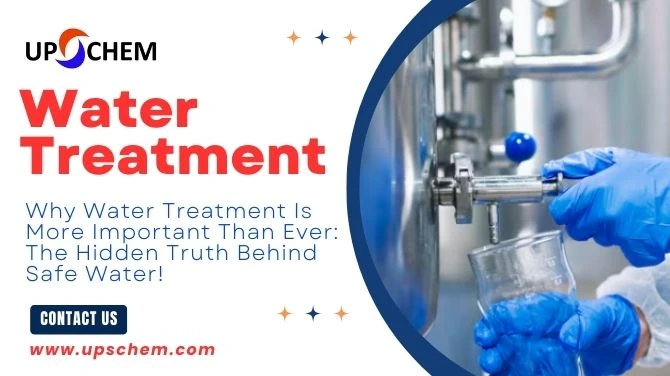
Water is the foundation of life, yet millions around the world still struggle to access clean, safe, and reliable water sources. As global populations expand, industries grow, and environmental challenges intensify, the importance of Water Treatment has reached unprecedented levels. While most people understand the basic idea of purifying water, very few truly grasp the complex factors that make modern water treatment not only essential, but urgently critical for the protection of human health, industry, and the environment.
In today’s world, water contamination does not just come from visible impurities like dirt, sediments, or organic matter. Instead, it often hides in microscopic pathogens, toxic chemicals, heavy metals, and industrial waste that cannot be detected by sight, smell, or taste. These pollutants, if left untreated, can threaten public health, disrupt ecosystems, damage infrastructure, and compromise industrial productivity.
Understanding the Real Meaning of Water Treatment
Water Treatment is far more than simply making water look clean. It is a strategic, multi-stage process designed to remove contaminants—both visible and invisible—and ensure that water is safe for human consumption, industrial use, agriculture, and environmental sustainability.
Modern Water Treatment involves:
- Coagulation and flocculation
- Sedimentatio
- Filtratio
- Disinfection
- Chemical treatment
- Advanced purification technologies like RO and UV
Every drop of safe water passes through highly engineered systems that diagnose, treat, and eliminate contaminants capable of causing disease, damaging infrastructure, or polluting ecosystems.
The Hidden Pollutants in Today’s Water Sources
Today’s water sources are exposed to unprecedented contamination due to rapid industrialization, population growth, and environmental degradation.
Common hidden pollutants include:
- Bacteria and viruses (E. coli, Giardia, Salmonella)
- Chemical pollutants (fertilizers, pesticides, pharmaceutical residues)
- Heavy metals (lead, mercury, cadmium, chromium)
- Industrial waste (dyes, oils, solvents, petrochemicals)
- Microplastics and synthetic compounds
- Sediments and organic load
These contaminants are not only dangerous but also often resistant to simple filtration. That is why advanced chemical solutions—such as those produced by Shandong UPS Chemical Co., Ltd.—are becoming essential.
Why Water Treatment Is More Important Than Ever Before?
The world has entered a phase where water scarcity, pollution, and contamination are overlapping challenges.
- Rising Pollution Levels
Industries release thousands of new chemicals annually. Many of these compounds end up in rivers, lakes, and groundwater.
- Increasing Population
More people mean more wastewater, more demand, and greater pressure on limited water resources.
- Climate Change Impacts
Extreme weather—droughts, floods, storms—disrupts natural filtration systems and increases contamination events.
- Aging Infrastructure
Many cities rely on outdated pipelines and treatment plants built decades ago.
- Emerging Contaminants
Microplastics, pharmaceutical residues, and PFAS (“forever chemicals”) pose modern treatment challenges.
Together, these factors make advanced Water Treatment systems not just important—but essential for global stability.
How Water Treatment Protects Human Health?
Safe water is fundamental to preventing diseases, maintaining hygiene, and supporting thriving communities.
Without effective Water Treatment, communities face risks such as:
- Choler
- Typhoid
- Dysenter
- Hepatitis A
- Parasitic infections
- Long-term exposure to carcinogenic chemicals
Access to clean water reduces healthcare costs, supports public health, and improves quality of life.
Water Treatment's Role in Industry and Manufacturing
Industries rely heavily on water for production, cleaning, cooling, and processing. Contaminated water can:
- Corrode machiner
- Reduce product quality
- Cause system blockage
- Increase maintenance costs
- Lead to equipment failure
Industries that depend on effective Water Treatment include:
- Petrochemical
- Power generation
- Food and beverage
- Pharmaceuticals
- Textile
- Minin
- Paper and pulp processing
For these sectors, Water Treatment chemicals—such as polyacrylamide flocculants—play a vital role in maintaining efficiency and regulatory compliance.
Environmental Protection Through Water Treatment
Water Treatment is essential for preserving rivers, oceans, and ecosystems. Untreated wastewater can:
- Destroy aquatic life
- Cause algal blooms
- Reduce oxygen levels in water
- Spread pollutants through food chains
- Damage to soil and agricultural land
Sustainable Water Treatment helps maintain biodiversity and supports long-term ecological health.
The Role of Advanced Chemicals in Water Treatment
Chemical treatments are the backbone of modern water purification. Among them, polyacrylamide-based flocculants—including cationic, anionic, and nonionic types—have become indispensable.
Why is chemical treatment necessary?
- It speeds up the purification process
- It enhances solid-liquid separation
- It improves water clarity
- It reduces the load on filtration systems
- It increases treatment plant efficiency
Shandong UPS Chemical Co., Ltd. specializes in producing these high-performance chemicals, offering tailored solutions for industries worldwide.
Shandong UPS Chemical Co., Ltd.: A Trusted Name in Water Treatment Solutions
As one of China’s leading chemical manufacturers, Shandong UPS Chemical Co., Ltd. provides top-quality Water Treatment chemicals, including:
- Polyacrylamide flocculant
- Cationic Polyacrylamide (CPAM)
- Anionic Polyacrylamide (APAM
- Nonionic Polyacrylamide (NPAM
- Coagulants and specialty chemicals
Why do industries trust their products?
- High purity
- Consistent performance
- Fast dissolution
- Excellent floc strength
- Customizable grades
- Reliable global supply
- Technical support and expertise
Their commitment to innovation ensures better Water Treatment performance, cost savings, and environmental sustainability for their partners.
How do Different Water Treatment Methods Work?
Water Treatment processes vary depending on the source and intended use of water.
- Coagulation and Flocculation
The most common method used to remove suspended solids. Polyacrylamide helps small particles bond into large flocs that settle quickly.
- Sedimentation
Allows heavier flocs to settle at the bottom of a tank.
- Filtration
Removes remaining particles using sand, membranes, or carbon filters.
- Disinfection
Common methods include chlorine, ozone, and UV radiation to kill pathogens.
- Desalination
Used to convert seawater into potable water via reverse osmosis.
- Biological Treatment
Breaks down organic matter using microorganisms.
Global Challenges That Make Water Treatment a Priority
- Water Scarcity
Over 2 billion people live in water-stressed regions.
- Poor Sanitation Infrastructure
In many developing countries, wastewater is released untreated.
- Industrial Expansion
More factories = more pollutants = more demand for Water Treatment.
- Agricultural Runoff
Fertilizers and pesticides contaminate groundwater sources.
- Urbanization
Cities generate massive wastewater volumes daily.
Because of these challenges, effective Water Treatment is now a global necessity.
The Future of Water Treatment Technology
As contaminants become more complex, Water Treatment technologies continue to evolve.
Future innovations include:
- Smart monitoring systems
- AI-driven treatment optimization
- Eco-friendly flocculants
- Advanced membrane filtration
- Zero-liquid discharge systems
- Microplastic removal technologies
Companies like Shandong UPS Chemical Co., Ltd. are continuously researching new chemical solutions to support next-generation treatment systems.
The hidden truth behind safe water is that achieving it requires advanced technology, strict processes, and high-performance chemical solutions. As water pollution becomes more widespread and complex, Water Treatment is no longer optional—it is a global necessity for public health, industrial growth, and environmental sustainability.
Frequently Asked Questions (FAQ)
1. Why is Water Treatment so important today?
Because water contamination is rising, populations are growing, and emerging pollutants require more advanced purification systems.
2. What industries rely on Water Treatment?
Almost all major industries—including pharmaceuticals, mining, textiles, food processing, and power plants—depend on treated water.
3. How do chemical flocculants help in Water Treatment?
They bind fine particles into large flocs, making purification faster and more efficient.
4. Is treated water safe to drink?
Yes—when treated according to international health standards.
5. What role does Shandong UPS Chemical Co., Ltd. play?
They supply high-quality Water Treatment chemicals used in wastewater plants, industries, and municipal systems worldwide.
6. What is the biggest challenge in Water Treatment?
Emerging pollutants like microplastics and pharmaceuticals require advanced technologies beyond traditional filtration.
7. How can Water Treatment support sustainability?
By reducing pollution, enabling water reuse, and protecting ecosystems.

























Sign in to leave a comment.