
Weak muscles can affect much more than gym performance. Muscle strength plays a part in walking, standing, lifting, reaching, climbing stairs and keeping your balance. When certain muscles are not strong enough for the tasks you do each day, simple movements can start to feel harder, slower or less steady.
This can happen after an injury, a long period of inactivity, illness, ageing or simply not using certain muscle groups very often. The good news is that many people can improve strength and movement with the right exercise plan and steady practice.
What Does Muscle Weakness Mean?
Muscle weakness means a muscle cannot produce as much force as you need for a movement. It is different from feeling tired after a busy day. With weakness, a task may feel physically harder even when you want to keep going.
For example, someone with weaker leg muscles may find it difficult to stand up from a low chair without using their hands. Another person may notice that carrying shopping bags, getting up stairs or walking uphill takes more effort than it used to.
Strength also works with balance, coordination, joint movement and posture. If one part is not doing its share, other muscles may work harder.
How Weak Muscles Affect Everyday Movement
Getting Up From a Chair
Standing from a chair looks simple, but it requires strength from the thighs, hips and muscles around the trunk. If these muscles are weak, you may push off with your hands, lean forward more or need several attempts.
Over time, you may start choosing higher chairs because they feel easier. This can reduce the amount of movement you do each day, which may lead to further loss of strength.
Walking and Climbing Stairs
Walking needs repeated work from the hips, thighs, calves and muscles that help keep the body steady. Weakness can make your steps shorter or make you tire sooner.
Stairs can be even more demanding. You may need the handrail, take one step at a time or avoid stairs altogether.
Carrying and Lifting
Everyday lifting is not limited to the gym. Carrying groceries, lifting a laundry basket, moving a chair or picking something up from the floor all require strength.
When the muscles around the hips, legs, back and shoulders are not working well together, the task can feel awkward or tiring. You may also change the way you move to avoid discomfort or effort.
Reaching, Bending and Turning
Strong muscles help control your body while you reach into a cupboard, bend to put on shoes or turn to look behind you.
If your trunk, hips or shoulder muscles lack strength, these movements may feel less controlled. You might move more slowly or use nearby furniture for support.
Why Muscle Strength Matters for Balance
Balance is not only about your feet. Your brain, joints, vision and muscles all contribute to keeping your body steady.
When muscles around the legs and hips are weak, it can be harder to respond quickly when you lose balance. This can be noticeable when stepping off a kerb, walking on an uneven surface or changing direction.
Strength can be one part of a broader plan that also works on balance, mobility and coordination.
Common Reasons Muscles Become Weaker
There is no single cause of muscle weakness. A period of bed rest or reduced activity can reduce muscle strength. Ageing is another factor, as muscle mass and strength can gradually decline with age. Health conditions, injuries and some medicines can also contribute.
If you notice new or unexplained weakness, it is worth speaking with a doctor or qualified health professional. Healthdirect advises seeing a doctor when you have new muscle weakness or other unusual muscle symptoms.
The cause matters because the right approach depends on what is happening in your body. Exercise may be useful for one person, while another may need medical assessment or a more carefully supervised programme.
Can Exercise Help Weak Muscles?
For many people, appropriately planned strength exercise can help improve muscle function. Resistance exercises can train the muscles used for daily activities, while functional movements can help you practise using that strength in useful ways.
A good programme does not need to start with heavy weights. It may begin with simple movements such as:
- Sit-to-stand exercises
- Supported squats
- Step-ups
- Heel raises
- Light resistance exercises for the upper body
- Core and posture exercises
The right repetitions, resistance and exercise choices depend on your current ability, injury history and goals.
The aim is to use that strength during movements that matter in daily life.
Small Changes Can Make a Real Difference
You do not have to wait until movement becomes very difficult before working on strength.
Try adding more useful movement into your day. Take a short walk, stand up regularly if you sit for long periods, use the stairs when appropriate, or practise controlled sit-to-stands from a stable chair.
These activities are not a replacement for a tailored exercise programme, but they can help reduce long periods of inactivity. A gradual programme that fits your routine is often easier to maintain.
When Should You Seek Professional Advice?
If muscle weakness is new, getting worse or affecting your daily activities, speak with your doctor or a qualified health professional. Weakness can have many causes, so it is important not to assume that it is simply due to being unfit or getting older.
A sudden or severe change in strength needs prompt medical attention, particularly when it occurs with other serious symptoms. In Australia, urgent medical problems should be treated as an emergency and Triple Zero (000) is the emergency number.
How a Guided Exercise Programme Can Help
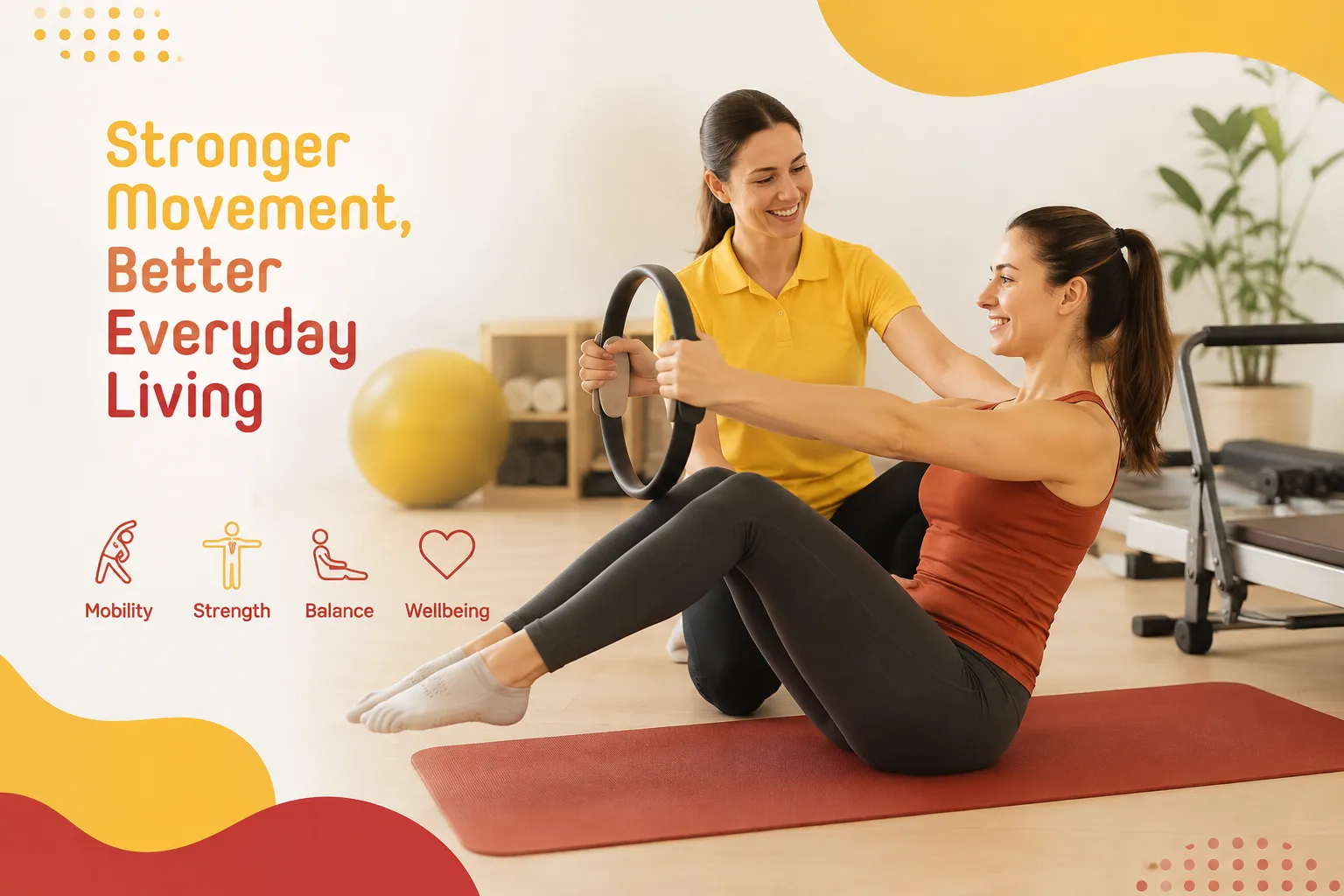
A guided exercise programme can be useful when you are unsure where to start or when weakness is linked with an injury, pain or reduced confidence.
A qualified exercise professional can look at how you move, identify areas that need attention and choose exercises that match your current ability. The programme can then progress as your strength and control improve.
For someone who struggles with stairs, the focus may be on leg and hip strength. For someone who finds lifting difficult, upper-body and trunk exercises may be more useful. This approach makes exercise more practical because it connects training with real-life goals.
Building Strength for the Movements You Value
Muscle strength is closely linked with independence. Being able to get out of a chair, carry shopping, walk to the local café, play with your children or grandchildren, or move around your home with confidence can make a real difference to daily life.
Weak muscles do not automatically mean that you need intense workouts. Often, the better starting point is to understand which movements are difficult and build strength around those needs.
With regular practice and the right level of challenge, everyday movements can become more manageable. The goal is not just stronger muscles. It is feeling more capable in the activities that matter to you.
Conclusion
Weak muscles can affect everyday movement in ways that are easy to overlook. From standing up and climbing stairs to carrying groceries and maintaining balance, strength helps your body handle the demands of daily life.
If weakness is affecting your routine, a suitable exercise programme may help you build strength and improve movement. If the weakness is new, unexplained or worsening, seek professional advice first so the cause can be properly assessed.



























Sign in to leave a comment.