
Businesses today are rethinking how they communicate with customers. Email inboxes are overcrowded, SMS lacks rich interaction, and social media algorithms limit organic reach. This is where WhatsApp marketing is rapidly emerging as one of the most reliable ways for brands to drive real, two-way conversations.
With over 3 billion active users worldwide, WhatsApp is no longer just a personal messaging app. It has evolved into a powerful business communication channel used for customer updates, support conversations, and transactional notifications.
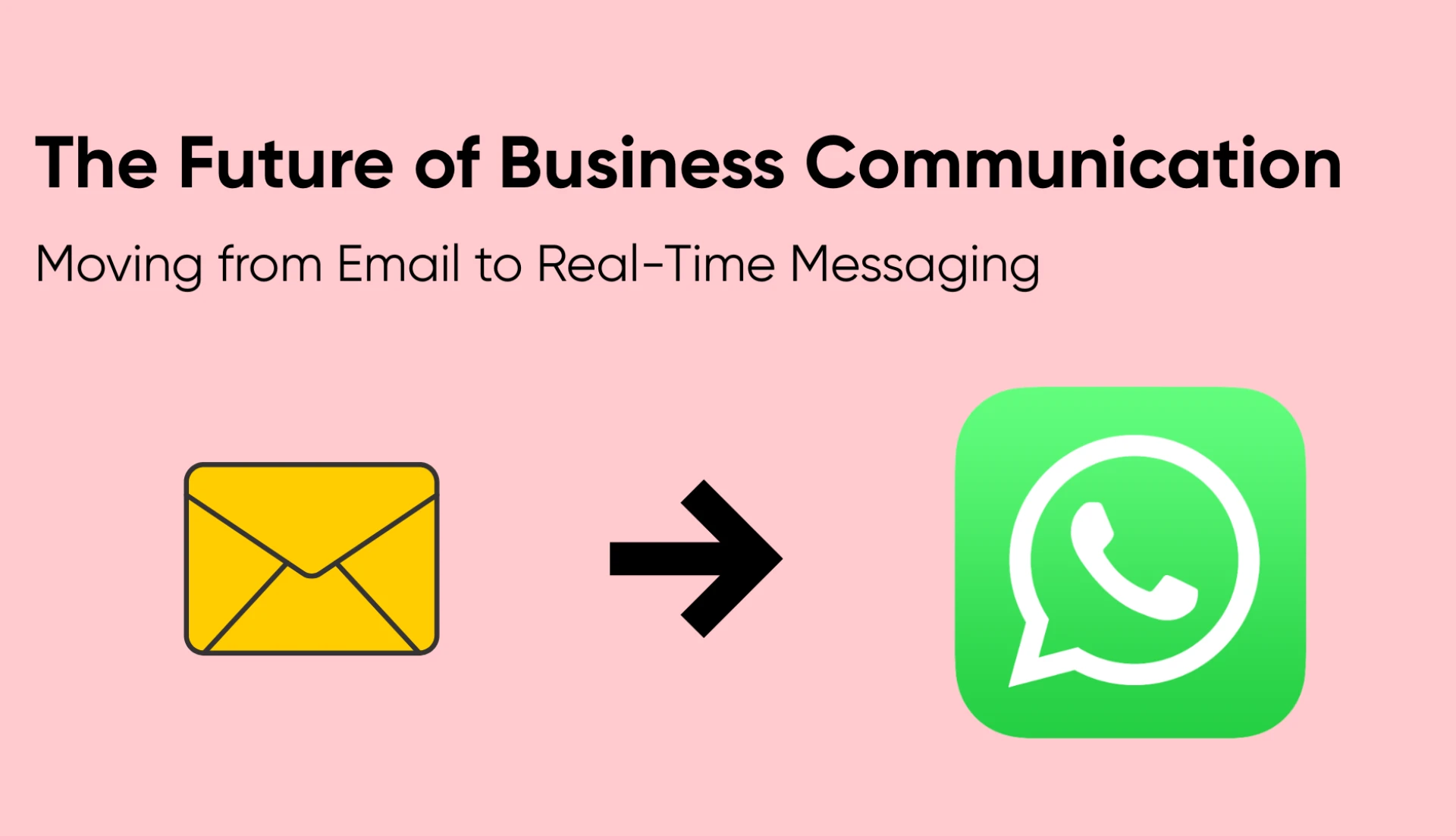
The Shift From Traditional Messaging to WhatsApp-Based Engagement
Unlike email campaigns that may go unopened for days, WhatsApp messages are usually seen within minutes. Customers today expect fast responses, clear communication, and minimal friction and WhatsApp fits perfectly into this expectation.
Businesses across industries are now using WhatsApp for:
- Order and delivery updates
- Appointment reminders
- Customer support conversations
- Promotional announcements (with proper user consent)
For businesses evaluating platforms and features, this WhatsApp marketing guide explains how different solutions support scalable and compliant messaging for growing teams.
Why Businesses Prefer WhatsApp Over Other Channels
One of the main reasons WhatsApp performs better than traditional channels is trust. Messages are delivered directly to a user’s primary inbox without spam filters or algorithmic suppression.
Compared to email or SMS, WhatsApp enables:
- Rich media sharing such as images, videos, PDFs, and buttons
- Real-time, two-way conversations instead of one-way broadcasts
- Higher visibility for time-sensitive updates
However, businesses must choose the right messaging method. Understanding the difference between WhatsApp App and API helps brands avoid delivery issues, compliance risks, and account restrictions.
Choosing the Right WhatsApp Marketing Approach
Not all WhatsApp messaging tools are built the same. Unofficial tools may appear cost-effective initially, but they often lead to message blocking, poor delivery rates, or permanent account bans.
Official API-based solutions offer:
- Better message deliverability
- Analytics and performance tracking
- Secure customer communication aligned with Meta policies
Before adopting any platform, businesses should focus on permission-based communication. Following WhatsApp opt-in best practices ensures messages are sent only to users who have explicitly agreed to receive them, improving engagement and long-term trust.
WhatsApp Marketing as a Long-Term Growth Channel
WhatsApp marketing is no longer experimental—it is becoming a core part of modern digital communication strategies. As customer expectations continue to rise, businesses that prioritise conversational, value-driven messaging will see better engagement and retention.
Brands that combine relevant content, responsible messaging frequency, and official delivery methods are already seeing WhatsApp outperform traditional channels in both response rates and customer satisfaction.
Final Thoughts
WhatsApp marketing is evolving from simple notifications into a complete customer engagement channel. Businesses that invest early and implement it the right way will gain a long-term advantage in customer communication.
As more companies move toward conversational marketing, WhatsApp is positioned to become one of the most impactful business communication channels in 2026 and beyond.

























Sign in to leave a comment.