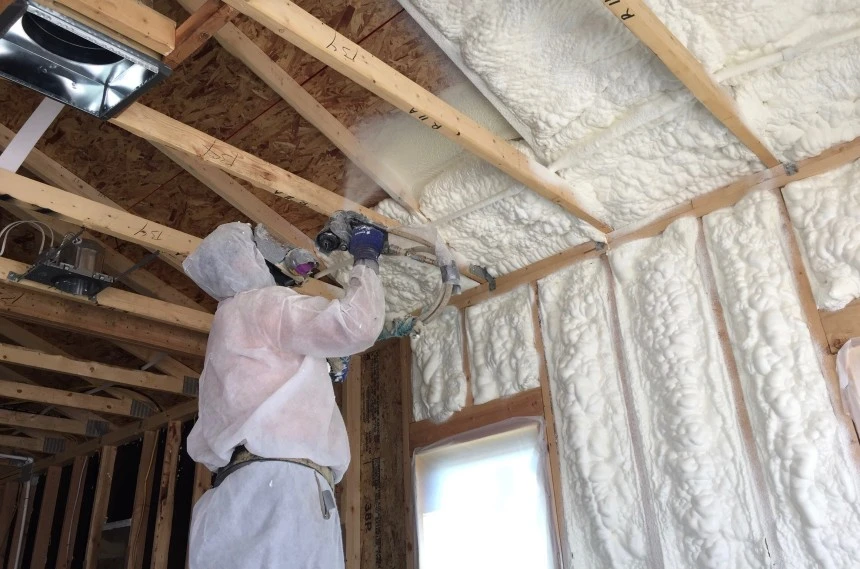
Homeowners who choose open-cell spray foam insulation often appreciate its value more with each passing year because its primary benefits of energy savings, soundproofing, and durability compound over time. While the immediate comfort is a great perk, the real return on investment becomes clear as utility costs rise and the need for a quiet living space grows. Unlike traditional insulation that can degrade and lose effectiveness, open-cell foam maintains its performance for decades, meaning the savings and comfort it provides don't just last, they become more significant.
This article, guided by insights from experienced spray foam insulation professionals, breaks down the long-term advantages of open-cell spray foam. We'll explore how its consistent air seal, superior acoustic properties, and durability translate into benefits that homeowners value more and more as the years go by. It’s an investment in a home’s future that pays increasing dividends in both savings and quality of life.
The Growing Return of a Consistent Air Seal
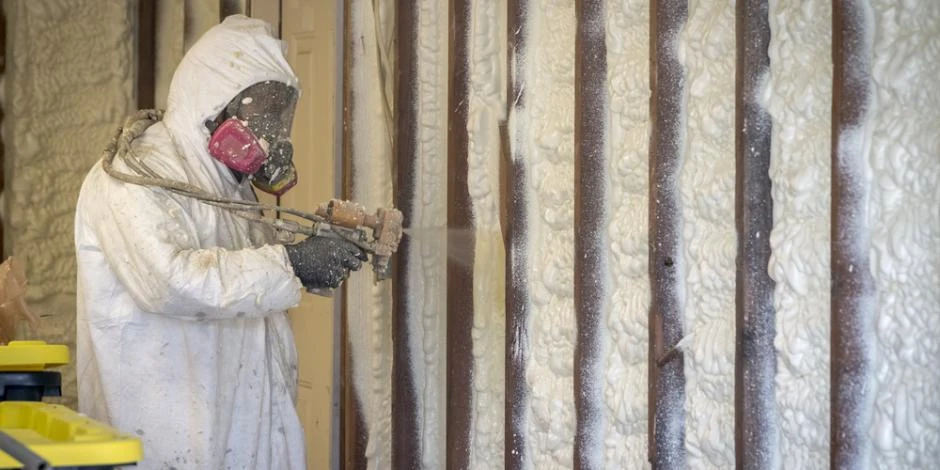
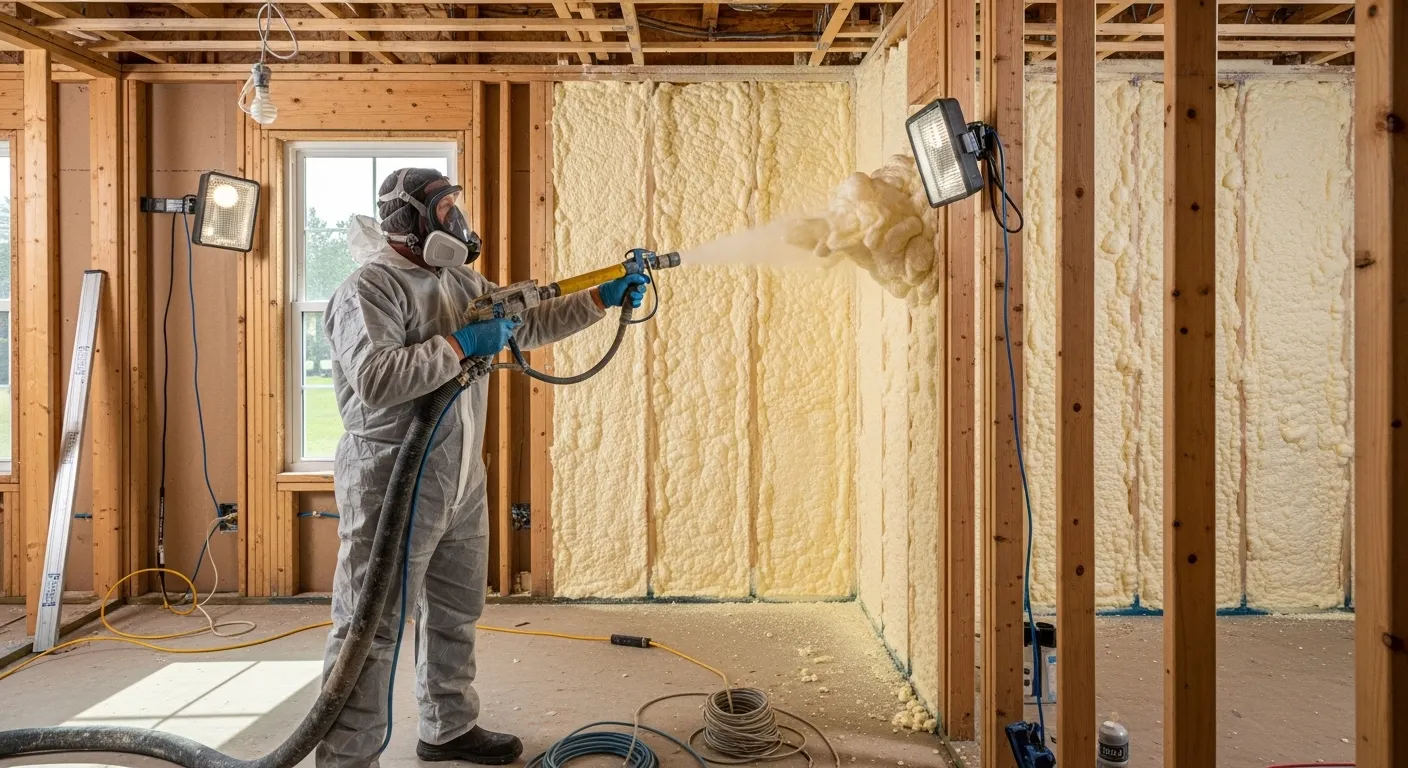
The most significant benefit of open-cell spray foam is its ability to create a near-perfect air seal. It's applied as a liquid and expands to fill every crack, gap, and crevice, effectively stopping air leakage. While this provides immediate energy savings, the long-term value lies in its consistency.
Fiberglass batts can sag and leave gaps over time, and blown-in cellulose can settle, creating weak spots in the thermal barrier. Open-cell foam, however, adheres to the structure and maintains its shape and seal for the life of the building. As energy prices continue their upward trend, the amount of money saved by this unwavering performance increases each year. A 25% reduction in heating and cooling costs is more impactful when electricity and natural gas prices are 50% higher than they were a decade ago. This makes the initial investment look smarter with every utility bill.
A Quieter Home Becomes Priceless
One of the most praised features of open-cell spray foam is its exceptional ability to dampen sound. Its soft, flexible, and porous structure is incredibly effective at absorbing airborne noise. When first installed, homeowners notice a pleasant reduction in outside traffic noise and sounds from other rooms.
Over the years, this acoustic insulation often becomes one of the most cherished benefits. Neighborhoods can become more crowded, nearby construction projects can start, or a family member might take up a loud hobby. Through it all, a home insulated with open-cell foam remains a quiet sanctuary. This quality-of-life improvement is hard to put a price on, but its value grows as the world outside gets louder.
Bonus Tip: For homeowners building a home office, a nursery, or a media room, using open-cell foam in the interior walls is one of the most effective ways to ensure sound privacy between spaces.
A Look at Insulation Characteristics
Different insulation materials have distinct properties that affect their long-term performance. Understanding these differences helps clarify why open-cell foam stands out for certain applications.
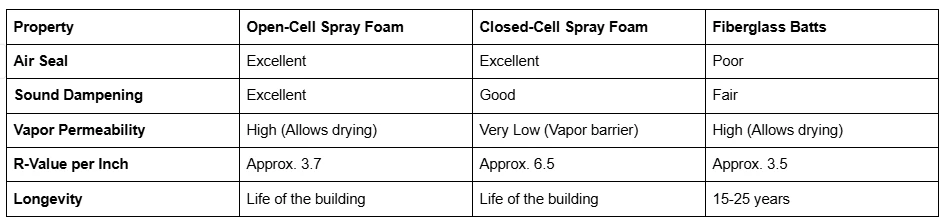
This table shows how open-cell foam's combination of an excellent air seal, superior sound dampening, and vapor permeability provides a unique set of long-term advantages that a simple R-value comparison doesn't fully capture.
Durability That Protects Your Home and Wallet
Open-cell spray foam is a permanent solution. It doesn't break down, shrink, or lose its insulating properties. This durability provides two compounding benefits: protecting the home's structure and eliminating future costs.
Because open-cell foam is vapor-permeable, it allows building materials like wood studs to breathe. If moisture ever gets into a wall cavity from a minor leak, the foam allows it to dry out, reducing the risk of mold, mildew, and wood rot. This helps protect the long-term structural integrity of the home.
Financially, its permanence means homeowners will never have to pay to re-insulate those areas again. Traditional insulation may need to be topped up or completely replaced after 15 or 20 years. By avoiding this future expense and hassle, the initial investment in open-cell foam proves its worth over and over again.
Things to Consider Before Making a Decision
While open-cell foam has many long-term benefits, it's not the right choice for every situation. Homeowners should consider a few factors before committing.
Know Where to Use It
Open-cell spray foam is ideal for above-grade applications where moisture exposure is not a concern. This includes:
- Exterior walls
- The underside of roof decks in unvented attics
- Floors between conditioned levels
- Interior walls for soundproofing
It is not suitable for below-grade applications like basement walls or in crawl spaces where it might come into direct contact with water, as it can absorb and hold moisture.
Professional Installation is Essential
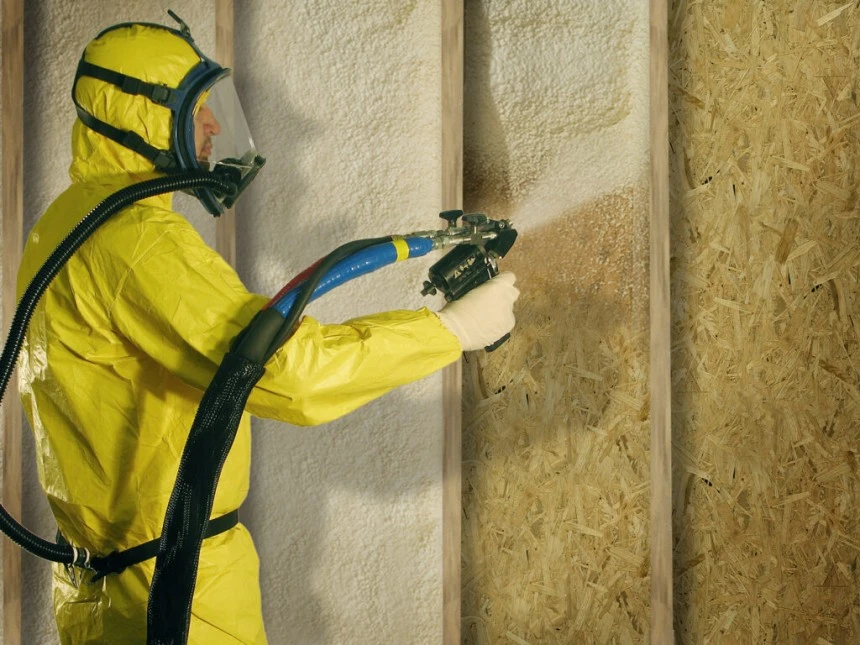
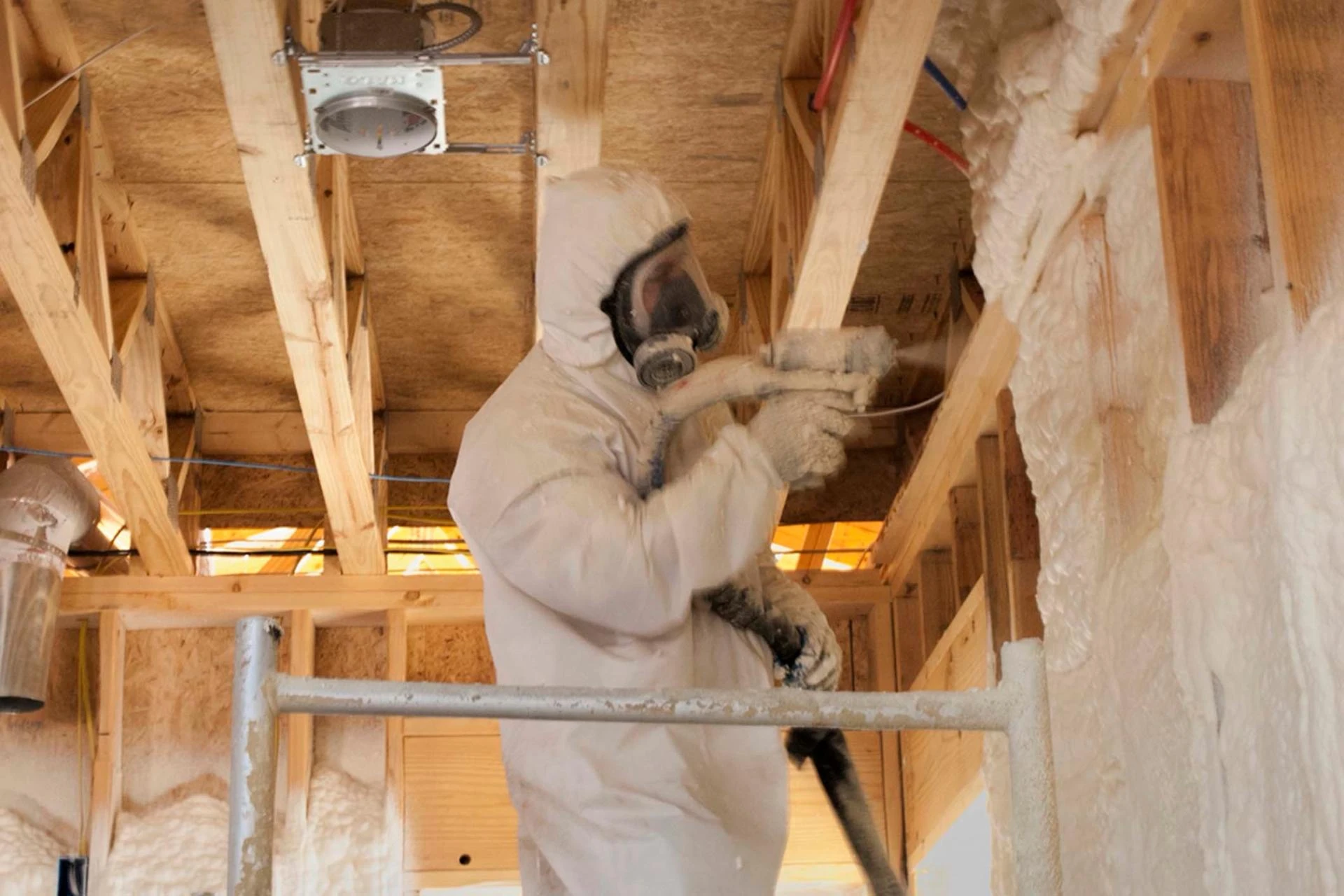
The long-term performance of spray foam is entirely dependent on proper installation. The chemical mixture, temperature, and application technique must be precise. This is not a DIY job. Homeowners should only work with certified, experienced installers who have the right equipment and training to ensure the foam is applied safely and effectively.
Bonus Tip: When insulating an attic roof deck, using open-cell foam creates what's known as a "hot roof." This assembly moves the thermal boundary to the roofline, bringing the attic into the conditioned space of the home and protecting any ductwork or HVAC equipment located there from extreme temperatures.
Questions People Ask About Open-Cell Foam
What is the main difference between open-cell and closed-cell foam?
The primary difference is their cell structure. Open-cell foam has cells that are not completely encapsulated, making it soft, flexible, and vapor-permeable. Closed-cell foam has tightly packed, sealed cells, making it rigid, dense, and a barrier to both air and moisture.
Does open-cell foam add any structural support?
No. Due to its soft and flexible nature, open-cell foam does not add any rigidity or structural strength to a wall or roof assembly. That function is unique to closed-cell foam.
Can open-cell foam be used to insulate a crawl space?
It is generally not recommended for crawl space walls or rim joists because of the potential for moisture. Closed-cell spray foam is the preferred choice for below-grade applications due to its moisture-blocking properties.
Is open-cell foam a "green" product?
Modern open-cell foams are often considered an environmentally friendly choice. Most are water-blown, which means they use water as the blowing agent and have a very low global warming potential (GWP). Additionally, the significant energy savings they provide over the life of a home reduces its overall carbon footprint.
How is it priced compared to other insulation types?
The upfront cost of open-cell spray foam is higher than fiberglass or cellulose but generally less expensive than closed-cell foam. However, its long-term energy savings and durability often make it a more cost-effective choice over the life of the home.
An Investment That Pays You Back
The decision to use open-cell spray foam is an investment in a home’s long-term performance. Its value grows each year as it continues to deliver consistent energy savings in the face of rising utility costs, provides a peaceful indoor environment, and protects the home's structure without ever needing maintenance or replacement.
Talk to an Insulation Expert
To understand if open-cell spray foam is the right solution for a specific project, homeowners should consult with a qualified professional. An expert can assess the home and provide a recommendation based on its unique needs and the local climate. For a detailed evaluation and quote, the team at All Foam & Insulation, LLC is available to help. They can be reached by phone at (541) 826-9600 or by email at [email protected] to discuss project goals and options.
Reviewer: Lily Johnson offered her feedback after reviewing this post. With 8 years in the spray foam insulation field, her suggestions centered around improving outreach to homeowners looking for quality insulation solutions.



























Sign in to leave a comment.