
In today’s digital economy, enterprise data is growing faster than ever. But the question many organizations face isn’t about how much data they have — it’s about how intelligent that data is. The reality is that traditional data warehouses and first-generation data lakes are no longer enough. To fully unlock the potential of Enterprise AI, companies now need what experts call a Fourth-Generation Data Platform.
This concept, explored in the Solix white paper Enterprise AI: A Fourth-Generation Data Platform, provides a roadmap for building an AI-ready foundation that’s open, federated, and scalable — enabling enterprises to transform data into intelligence.
From Legacy Data Platforms to AI-Ready Intelligence
The first wave of enterprise data management focused on structured data — ERP systems, transactional data, and reporting. The second introduced data lakes, built to collect unstructured data for analytics. The third combined governance and scalability through cloud adoption.
Now, the Fourth Generation Data Platform represents a pivotal shift — unifying governance, automation, and AI into a single, intelligent architecture. It’s not just a data repository; it’s a learning, adaptive system that empowers organizations to extract value from every byte of information they own.
Why Traditional Data Platforms Fall Short
Legacy data architectures were designed for a world before machine learning, real-time analytics, and generative AI. They’re costly, rigid, and lack semantic understanding of data.
Common challenges include:
- Fragmented data estates across departments and silos.
- Inconsistent governance and data quality across systems.
- Escalating costs for storage, integration, and compliance.
- Limited AI enablement, restricting the ability to operationalize insights.
As the Solix white paper notes, “Fragmented data estates, uneven governance mandates, and rising costs have created the need for a more intelligent, adaptive data foundation.”
What Defines a Fourth-Generation Data Platform
Unlike traditional systems, the new generation of data platforms is designed to enhance rather than replace existing infrastructure. As Solix explains, this platform is “incremental and extensible — intended to enhance rather than replace enterprise systems.”
Core characteristics include:
- AI-Native Architecture
- Integrates machine learning and natural language models directly within the data platform to enable intelligent automation and predictive insights.
- Federated Governance
- Ensures compliance and control across hybrid and multi-cloud environments without centralizing everything in one place.
- Unified Data Fabric
- Combines structured, semi-structured, and unstructured data in a single logical layer — breaking silos while maintaining lineage.
- Automated Classifiers and Intelligent Analytics
- Uses AI to classify, catalog, and enrich data for contextual understanding and faster decision-making.
- Extensibility and Openness
- Works seamlessly with existing applications, APIs, and cloud ecosystems, avoiding vendor lock-in.
Driving Business Value with Enterprise AI
Adopting a fourth-generation platform is not just about technology — it’s a strategic move to future-proof the business.
Key outcomes include:
- Operational efficiency: Automate governance and data preparation, reducing manual effort.
- Compliance readiness: Maintain visibility and traceability across all data sources.
- AI acceleration: Enable rapid experimentation and deployment of generative AI models.
- Cost control: Retire redundant infrastructure while optimizing cloud utilization.
Leading enterprises that have implemented AI-ready data platforms report up to 40% improvement in data-driven decision-making efficiency and faster time-to-insight.
Building the Foundation for Enterprise AI
Creating a fourth-generation data platform involves both cultural and technological transformation. Solix recommends an incremental approach to modernization:
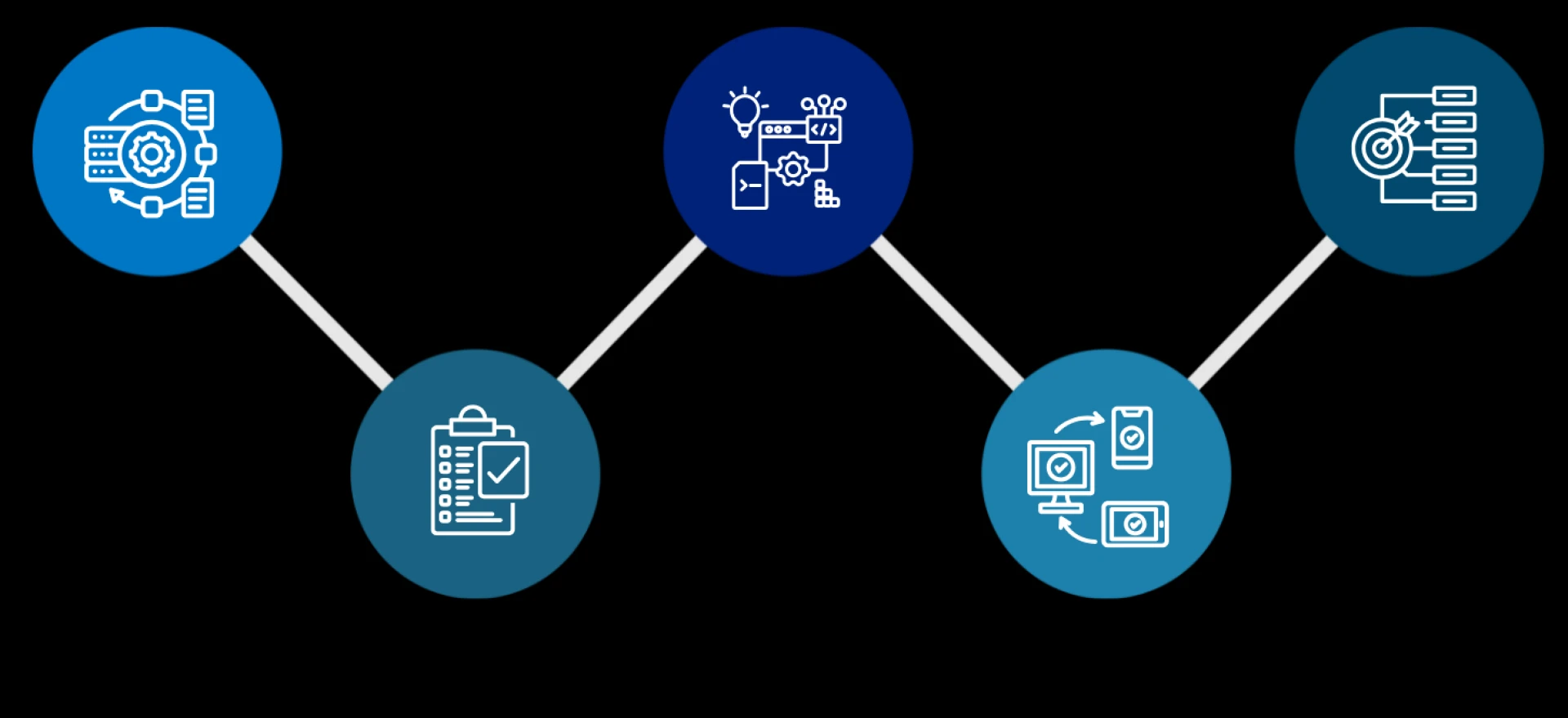
- Assess your current data estate — Identify silos, redundant systems, and governance gaps.
- Define your AI objectives — What outcomes (automation, analytics, compliance) will deliver the most business impact?
- Implement a federated data architecture — Use Solix’s open and customizable platform model to connect disparate systems.
- Embed governance and automation — Automate retention, quality checks, and metadata enrichment.
- Operationalize AI and analytics — Deploy AI-driven analytics and semantics to generate real-time intelligence.
This modular, evolutionary method allows enterprises to modernize without disruption, reducing risk while unlocking strategic advantage.
Solix and the Future of Enterprise Data Management
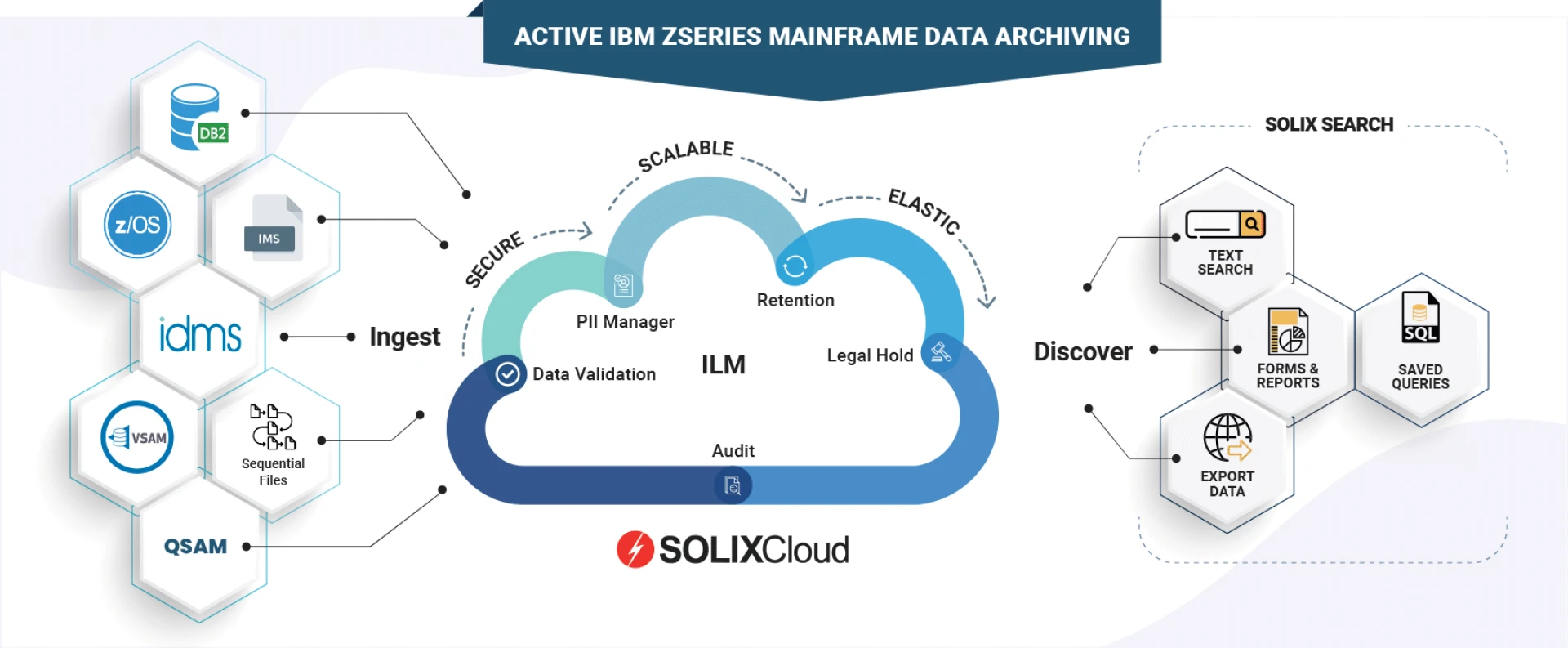
Solix Technologies, Inc. has been a recognized leader in enterprise archiving, ILM (Information Lifecycle Management), and governance. With its Common Data Platform (CDP) and Enterprise AI strategy, Solix is helping organizations move beyond legacy systems and toward truly intelligent data ecosystems.
The Enterprise AI: A Fourth-Generation Data Platform white paper details this transformation — offering frameworks, use cases, and architectural blueprints to guide enterprise adoption.
Conclusion: A Smarter Path to AI Success
The Fourth-Generation Data Platform is more than an upgrade — it’s the foundation for intelligent business. By integrating governance, AI, and scalability into one architecture, enterprises can convert their data from a compliance liability into a strategic advantage.
Whether your goal is to enhance analytics, modernize infrastructure, or scale AI adoption, the journey begins with understanding this new data paradigm.
👉 Download the full white paper — Enterprise AI: A Fourth-Generation Data Platform — to explore how Solix can help your organization build a future-ready, AI-driven enterprise.




























Sign in to leave a comment.