

1. The Foundation of a Complete ERP: Why Inventory Management Matters
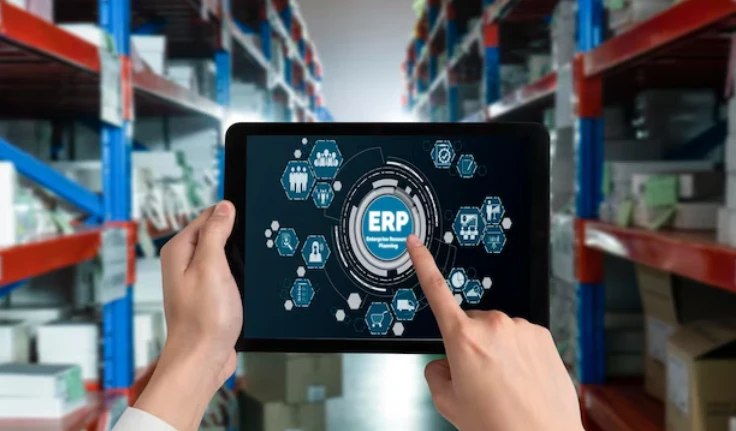
Enterprise Resource Planning (ERP) systems are designed to integrate various business functions—finance, human resources, procurement, and operations—into a single platform. But without a solid inventory management module, even the most advanced ERP is fundamentally incomplete. Inventory touches almost every department in a manufacturing or distribution business. From raw materials to finished goods, a clear, real-time view of inventory is critical for operational success.
Inventory management ensures that the right products are in the right place at the right time, reducing waste and optimizing cash flow. Without robust inventory management capabilities, ERP users often face delays in production, inaccurate financial reports, and poor customer service. This undermines the very goals of an ERP system—to improve efficiency, enhance visibility, and support strategic decision-making.
In today’s competitive landscape, companies can’t afford guesswork in stock levels or delays in procurement. They need accurate data, automated reordering, real-time tracking, and seamless integration with production and sales modules. That’s where robust production inventory management software becomes vital to completing your ERP suite.
2. Production Management and Inventory: A Symbiotic Relationship
In manufacturing, production management software and inventory management must work hand in hand. A breakdown in one area directly impacts the other. For example, if your production planning doesn’t have real-time access to available inventory, it may result in scheduling errors, raw material shortages, or overproduction.
An ERP system that includes manufacturing production management software provides a comprehensive view of the production cycle, from raw material procurement to finished goods delivery. But without tight inventory controls, this software becomes ineffective. You need live data on stock availability, usage rates, reorder levels, and storage capacities to make smart production decisions.
This symbiotic relationship helps businesses achieve lean manufacturing goals. When your ERP includes both modules working seamlessly together, it reduces lead times, minimizes inventory costs, and increases output quality. It empowers production managers to make accurate, timely decisions, ultimately improving productivity across the organization.
3. Improved Forecasting and Planning with Smart Inventory Features
Forecasting is a critical component of any ERP strategy. However, forecasting accuracy is heavily dependent on inventory data. Businesses need to analyze trends, seasonality, and customer demand to plan. A cloud-based production management software with intelligent inventory tracking features makes this possible.
With real-time inventory tracking, companies can better understand usage patterns and plan for future needs. For example, if a certain component has high turnover during a specific quarter, the system can prompt timely reorders, avoiding last-minute shortages. Without this level of detail, forecasting becomes speculative and unreliable.
Moreover, advanced systems can integrate historical inventory data with sales trends and production goals to generate predictive analytics. These insights help businesses make informed decisions on purchasing, production scheduling, and resource allocation. Ultimately, this leads to better customer service, lower costs, and a stronger bottom line.
4. Eliminating Manual Errors and Enhancing Accuracy
Manual inventory tracking is not only time-consuming but also prone to errors. Missing stock, duplicate entries, and data mismatches can disrupt your entire supply chain. With the right inventory tools integrated into your ERP, these issues can be eliminated.
Modern ERP systems with production inventory management software allow businesses to automate processes such as stock adjustments, barcode scanning, and location tracking. This automation significantly reduces human error, increases inventory accuracy, and improves efficiency. When your ERP is equipped with these tools, employees spend less time counting items and more time adding value elsewhere.
Furthermore, automated systems ensure that every transaction—whether it’s receiving, shipping, or moving items internally—is recorded in real time. This level of accuracy supports better auditing, compliance, and reporting. It also prevents production delays caused by inaccurate stock levels, enabling teams to focus on delivering products on time and within budget.
5. Real-Time Visibility and Cloud-Based Access
The modern business environment demands speed, agility, and access to data from anywhere. This is where cloud-based production management software with integrated inventory capabilities makes a significant difference. Cloud-based systems allow for real-time visibility into inventory levels across multiple locations, warehouses, or stores, no matter where your team is based.
Real-time data access means that production managers, sales teams, and procurement officers are always working with the latest information. This not only helps in avoiding stockouts or overstocking but also speeds up decision-making processes. The ability to monitor stock from mobile devices or remote locations is particularly beneficial for businesses with distributed operations.
Additionally, cloud-based inventory management reduces IT overhead, ensures automatic backups, and improves data security. It provides scalability so businesses can grow without worrying about upgrading infrastructure. In a world where digital transformation is key, having a cloud-based ERP with robust inventory features is no longer optional—it’s essential.
6. Driving Cost Savings and Operational Efficiency
A well-integrated inventory system within your ERP doesn’t just improve accuracy—it also drives significant cost savings. When you have real-time insight into what you have, what you need, and what’s moving slowly, you can reduce carrying costs, prevent overstocking, and minimize waste.
Inventory mismanagement can lead to dead stock, increased storage costs, and poor cash flow. On the other hand, tight inventory control helps free up capital and reduce storage requirements, and aligns purchases with actual needs. This has a direct impact on your profit margins and operational performance.
Moreover, combining inventory and manufacturing production management software allows businesses to automate procurement based on production schedules, avoid emergency purchases, and negotiate better deals with vendors. These efficiencies result in a streamlined supply chain and more agile operations, both critical for staying competitive in any industry.
TheERPHub—Your Complete ERP with Inventory Power
In conclusion, an ERP without robust inventory management capabilities is like a car without an engine—it simply can’t take your business where it needs to go. Whether you're in manufacturing, distribution, or retail, having the right inventory tools integrated with your ERP is essential for accurate planning, efficient production, and sustained growth.
TheERPHub provides an all-in-one ERP solution that includes powerful inventory management, intelligent automation, and seamless integration with production modules. Our cloud-based production management software is designed to help businesses streamline operations, eliminate manual tasks, and gain full control over stock and production.
Ready to take your ERP to the next level? Discover how TheERPHub can complete your ERP journey with smart inventory and production capabilities. Contact us today for a personalized demo and consultation.






















Sign in to leave a comment.