

For distributors, increasing sales is not always about hiring more sales representatives. In many cases, the existing sales team can achieve better results when they spend less time on manual work and more time with customers. Reps often lose valuable hours checking stock, preparing quotations, following up on orders, updating spreadsheets, searching for customer information and coordinating with different departments.
This is where better processes, accurate information and the right distribution management software can make a meaningful difference. By improving the way sales activities are planned and managed, distributors can help their existing sales reps handle more customers, respond faster and close more opportunities without immediately increasing headcount.
Reduce Manual Work with Distribution Management Software

Sales representatives should spend most of their working hours selling, not entering the same information into multiple systems. However, manual data entry remains common in distribution businesses. A sales rep may receive an enquiry, check inventory with the warehouse team, prepare a quotation, enter the order into a spreadsheet and then follow up separately with accounts and dispatch. Each small task takes time and together they can significantly reduce productivity.
A well-integrated sales and distribution management software solution can bring these activities into one system. Sales teams can access customer details, product information, pricing, stock availability, quotations, orders and outstanding payments from a central platform. This reduces the need to switch between different applications throughout the day.
Automation can also reduce repetitive activities such as:
- Creating sales quotations
- Checking product availability
- Recording customer interactions
- Sending order updates
- Setting follow-up reminders
- Generating sales reports
When these routine activities require less manual effort, sales representatives have more time to focus on customer conversations and revenue-generating activities.
Give Sales Reps Real-Time Inventory Visibility
Nothing slows down a sales conversation faster than uncertainty about product availability. A customer may ask for immediate delivery, but the sales representative may have to contact the warehouse or inventory team before confirming whether the product is actually available. If this happens repeatedly, reps spend valuable time waiting for information instead of moving the opportunity forward.
With inventory management software, sales representatives can get a clearer view of stock levels while dealing with customers. They can check available quantities, warehouse-wise stock, reserved quantities and other relevant information without depending on another employee for every enquiry. This helps them provide quicker and more confident responses.
Real-time inventory visibility also helps prevent situations where sales representatives promise unavailable products. Better coordination between sales and inventory teams can lead to more accurate commitments, fewer order delays and improved customer satisfaction. For distributors handling thousands of SKUs across multiple warehouses, this visibility can have an especially strong impact on daily sales productivity.
Improve Sales Follow-Ups with Automated Reminders

A sales representative may speak to dozens of customers in a single day. Remembering when to call each customer, what was discussed, which quotation was sent and what action is expected next can become difficult. Missed follow-ups can result in lost opportunities even when the customer was genuinely interested in buying.
A sales follow-up system can help representatives organize these activities more effectively. Instead of depending on notebooks, personal reminders or scattered messages, sales reps can see pending activities in one place. Follow-ups can be linked to leads, quotations, sales orders and customer interactions, giving representatives useful context before contacting the customer.
A structured follow-up process can help sales teams:
- Identify overdue follow-ups
- Prioritize high-value opportunities
- Track quotation status
- Schedule customer calls
- Record the outcome of each interaction
- Avoid duplicate or missed follow-ups
This does not mean automating the customer relationship itself. Rather, automation takes care of remembering the task so that the sales representative can focus on having a better conversation with the customer.
Use Customer Data to Prioritize High-Value Opportunities
Not every customer or sales opportunity deserves the same amount of attention at the same time. Sales representatives often work with a mix of repeat buyers, inactive customers, new prospects, low-value enquiries and high-potential accounts. Without clear customer data, they may spend too much time on opportunities that are unlikely to convert.
A CRM for distributors can help sales teams understand customer buying patterns and sales history. Representatives can see previous orders, frequently purchased products, quotation history, payment information and interaction records. This gives them a stronger basis for deciding which customers to contact first and what products or offers may be relevant.
For example, a customer who regularly purchases a particular product but has not placed an order recently may be worth contacting before a cold lead with limited buying potential. Similarly, customers approaching their usual reorder cycle can be identified and contacted at the right time. This approach allows the existing sales team to work smarter rather than simply making more calls.
Strengthen Sales Order and Quotation Management
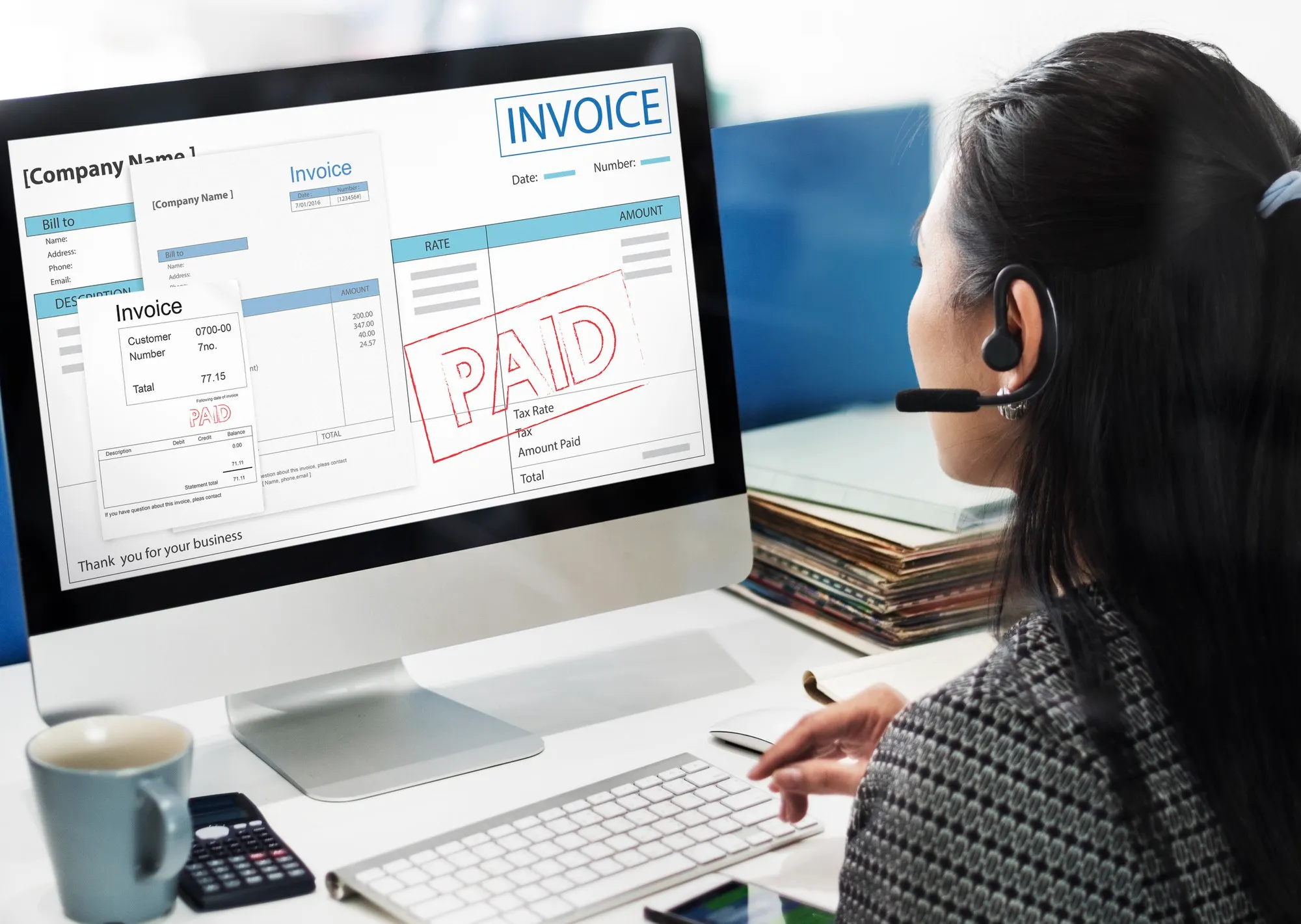
Quotations and sales orders are an important part of a distributor's sales process, but they can also create unnecessary administrative work. When quotations are prepared manually or order information has to be entered repeatedly, representatives spend less time pursuing new opportunities. Errors in prices, quantities, discounts or product details can create additional delays.
With an integrated sales order management system, information can move more smoothly from quotation to order and from order to fulfilment. Sales representatives can work with predefined product details, customer-specific pricing, applicable discounts and other relevant information. Once an order is confirmed, the information can be made available to other departments without requiring repeated manual entry.
This creates a more connected workflow between sales, inventory, accounts and dispatch. The benefit is not limited to faster order processing. It also gives sales representatives greater confidence that the information they provide to customers is accurate. Fewer corrections and fewer internal queries mean more time available for selling.
Track Sales Performance with Real-Time Reports
Sales productivity cannot be improved effectively if managers do not know where time and opportunities are being lost. Traditional reporting often requires sales representatives to prepare spreadsheets at the end of the day or week. Apart from taking time, manually prepared reports may not provide a complete or current picture of sales activity.
A sales performance dashboard can provide managers with a clearer view of important sales indicators. They can monitor enquiries, quotations, orders, conversion rates, sales targets, customer activity, pending follow-ups and other relevant metrics. Sales representatives can also understand their own performance and identify areas that need attention.
Instead of asking, "Why are sales down?", managers can look at more specific questions. Are quotations increasing but orders declining? Are follow-ups being delayed? Are certain customers buying less frequently? Are particular products generating more enquiries? This level of visibility allows managers to address specific problems instead of assuming that additional employees are the answer.
Connect Sales with the Rest of the Distribution Process

Sales productivity is closely connected to what happens after a customer places an order. If sales representatives have to repeatedly contact warehouse, purchasing, accounts and dispatch teams for order updates, a significant amount of their time is spent on internal coordination rather than customer development.
An integrated distribution ERP software platform can connect sales with inventory, procurement, finance, warehouse operations and order fulfilment. This gives sales teams better visibility into the complete order lifecycle. They can check relevant information without making multiple internal calls or sending repeated messages.
The result is a smoother working environment for both sales representatives and other departments. Customers also benefit because they can receive quicker and more accurate updates. Over time, these small improvements can allow a distributor to increase the number of customers and orders handled by the existing team without creating the same level of operational pressure.
Improve Sales Productivity with TheERPHub
Increasing sales team productivity does not always require increasing headcount. Distributors can often achieve more by removing repetitive tasks, improving access to information, strengthening follow-ups and connecting sales with inventory, finance, warehouse and order management. The right distribution ERP software can help turn these improvements into a structured and measurable process.
TheERPHub provides an integrated ERP platform designed to connect key business operations and give teams better visibility across their workflows. With tools for CRM, sales management, inventory management, order processing, reporting and other business functions, distributors can give their sales representatives the information they need without making them depend on multiple disconnected systems.
If your distribution business is looking to improve sales productivity without immediately increasing headcount, contact us today and explore how an integrated ERP system can help your existing team sell more efficiently.




























Sign in to leave a comment.