
For many homeowners, an HVAC system is something you mostly forget about, until it stops working. Air conditioners in the summer, heaters in the winter, a quick filter swap here and there, and voilà: home comfort. Simple, right? Not so fast.
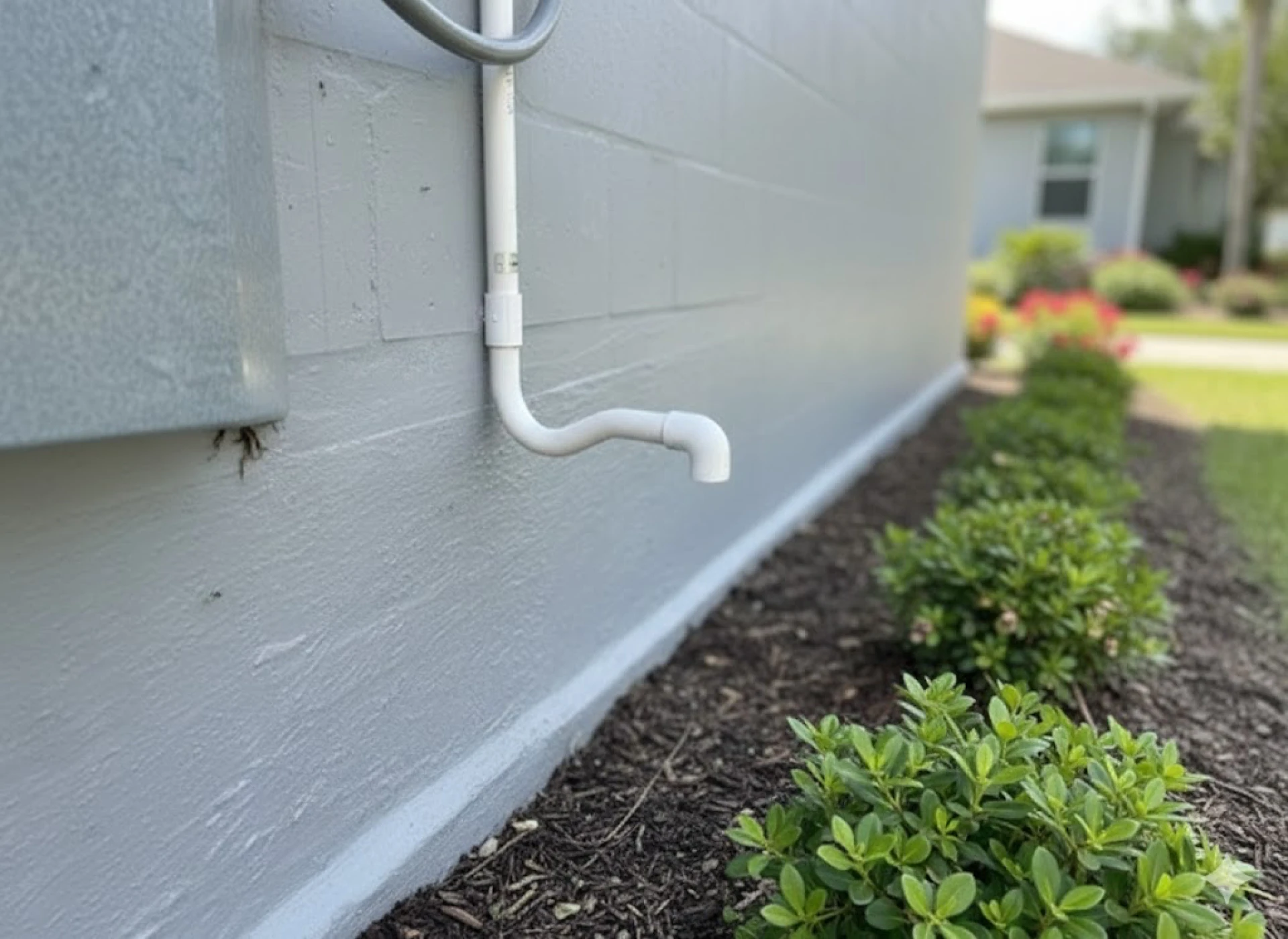
While most people focus on their furnace or air conditioner itself, there’s a hidden, silent risk that often goes unnoticed: the drain line. And if you think your heater only warms the air, think again. It can actually make drain line problems far worse.
Let’s explore how a simple heating cycle can create a cascade of issues in your HVAC system, why most homeowners are blissfully unaware, and what you can do to keep your drain lines running smoothly.
How Heat and Drain Lines Intersect
Here’s something most people don’t realize: your heater and your air conditioner often share parts of the same drainage system. When your air conditioner runs, moisture from the air condenses on the evaporator coil, drips into the condensate pan, and exits via the drain line. That’s all well and good. But once the heating cycle begins, the dynamics in your system change.
Warm air from the furnace dries out some areas of the drain line, while other sections remain damp. This creates the perfect environment for algae, mold, and slime to develop. Moisture that lingers in the line, combined with dust or debris blown in by your heater, accelerates buildup.
If you’ve ever noticed water pooling near your HVAC system, or an unexplained shutdown, this is likely why. Your heater, which you rely on to keep warm, is inadvertently worsening the very drain line problems that can flood your home.
The Domino Effect of a Clogged Drain Line
When a drain line clogs, the effects aren’t confined to a single pan or pipe. The consequences ripple through your HVAC system and, sometimes, your entire home:
1. Overflowing Condensate Pans: Water that cannot flow freely accumulates in the pan, eventually spilling over. This is especially dangerous in attics or basements, where pooled water can cause structural damage.
2. Float Switch Shutdowns: Many modern HVAC systems are equipped with a float switch to prevent flooding. When water reaches a critical level, the switch shuts down the system. This protects your home but leaves you without heat or cooling until the issue is resolved.
3. Long-Term Structural Damage: Persistent water exposure can warp flooring, damage drywall, and even compromise insulation. Mold growth often follows, bringing health concerns and expensive remediation.
Ignoring your drain line until it’s a major problem is a gamble most homeowners don’t realize they’re playing.
Why Homeowners Often Miss the Signs
The most insidious part of drain line issues is how quietly they develop. Most people don’t notice a problem until water is spilling or the HVAC system shuts down. But before that, there are usually subtle warning signs:
· Slow drainage from the condensate pan
· Musty odors near the HVAC unit
· Small water stains on ceilings or floors near vents
· Random system shutdowns caused by float switch activation
Because these signs are easy to overlook, drain line problems can silently worsen over time. Combine that with heating cycles that dry some areas and leave others damp, and you have a perfect storm for recurring clogs.
Why DIY Drain Cleaning Often Falls Short
Many homeowners attempt to fix the problem themselves. You might find yourself pouring water down the line, poking it with a wire, or using a wet/dry vacuum. While this can provide temporary relief, it rarely solves the problem for good.
· Incomplete Removal: Algae and slime cling stubbornly to pipe walls, resisting short-term flushes.
· Recurring Buildup: Leftover residue forms the foundation for new clogs.
· Hidden Sections: Drain lines often snake through walls, under floors, or behind ceilings. Many DIY solutions fail to reach these hard-to-access areas.
This is why people often find themselves cleaning a clogged air conditioner drain multiple times a year. Without a more reliable method, the issue persists, cycle after cycle.
How Your Heater Accelerates the Problem
It might seem strange to think of your heater as part of the problem, but it plays a bigger role than most homeowners realize:
· Condensation Fluctuations: Switching between heating and cooling creates inconsistent moisture levels in the system. Some areas dry completely while others remain damp, allowing algae to thrive.
· Airflow Patterns: The forced air from the furnace pushes dust and debris into the drain pan, which mixes with moisture to form sludge that clogs the line.
· Temperature Changes: The heat can cause metal parts in the system to expand and contract slightly, dislodging debris that then settles in the drain line.
Even with regular A/C use, your heater can silently worsen the conditions that lead to clogs, making preventive maintenance essential.
The Silent Cost of Neglect
The financial impact of ignoring a drain line isn’t always obvious.
A small clog today can lead to:
· Ceiling or floor water damage
· Hidden mold growth
· HVAC repairs or early replacement
· Higher insurance claims and premiums
A minor inconvenience like a slow-draining condensate pan can evolve into a costly repair nightmare. Most homeowners are unaware until the problem escalates, and by that point, it’s often too late to prevent significant damage.
What Homeowners Can Do
While professional HVAC maintenance is always the safest approach, homeowners can take a few steps to reduce the risk of drain line issues:
1. Regular Visual Checks: Look for water in the pan or pooling near the unit.
2. Keep the Area Clean: Remove dust and debris around the system.
3. Schedule Annual Inspections: Technicians can spot small problems before they escalate.
4. Consider Automated Solutions: Devices designed to unclog AC drain lines can reduce recurring maintenance, helping you enjoy a clean HVAC condensate drain line year-round.
Final Thoughts
Homeowners often focus on filters, vents, and thermostats, but the drain line is just as important for a healthy HVAC system. Heating cycles, condensation fluctuations, and debris accumulation combine to make drain line problems worse, and most people don’t notice until it’s too late.
By understanding how these factors interact and paying attention to early warning signs, homeowners can protect their property, maintain comfort, and avoid costly repairs.
Preventing clogs is always easier than fixing them, and even small, consistent maintenance efforts can make a significant difference in keeping a clean HVAC condensate drain line.
About the Author
This blog was written by a technical specialist at Clog Free Lines, a company focused on HVAC maintenance and preventing drain line clogs. They provide homeowners and professionals with HVAC drain line cleaning systems to ensure air conditioning systems flow freely and efficiently throughout the year.
Clog Free Lines can be contacted here.






























Sign in to leave a comment.