
Sudarshan Group has been supplying industrial minerals to manufacturers across India for decades, and one question keeps coming up more than any other — why does a product that was working perfectly fine suddenly start failing the moment filler gets added?
It happens more than you'd think. A batch looks fine. The mix seems right. Then the final product cracks, chips, loses its color, or just feels off. The culprit is almost always the filler — but not the filler itself. It's the wrong grade of it.
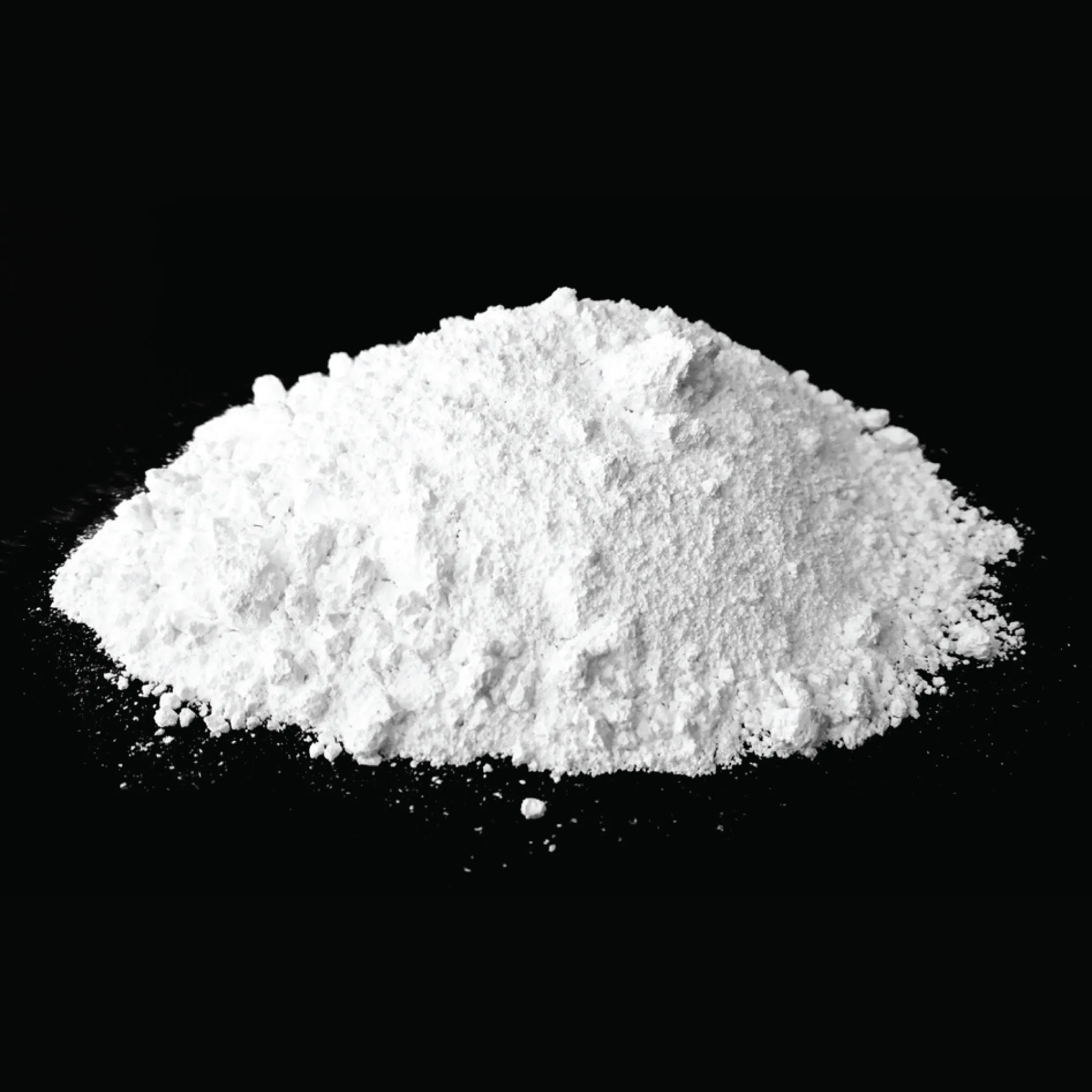
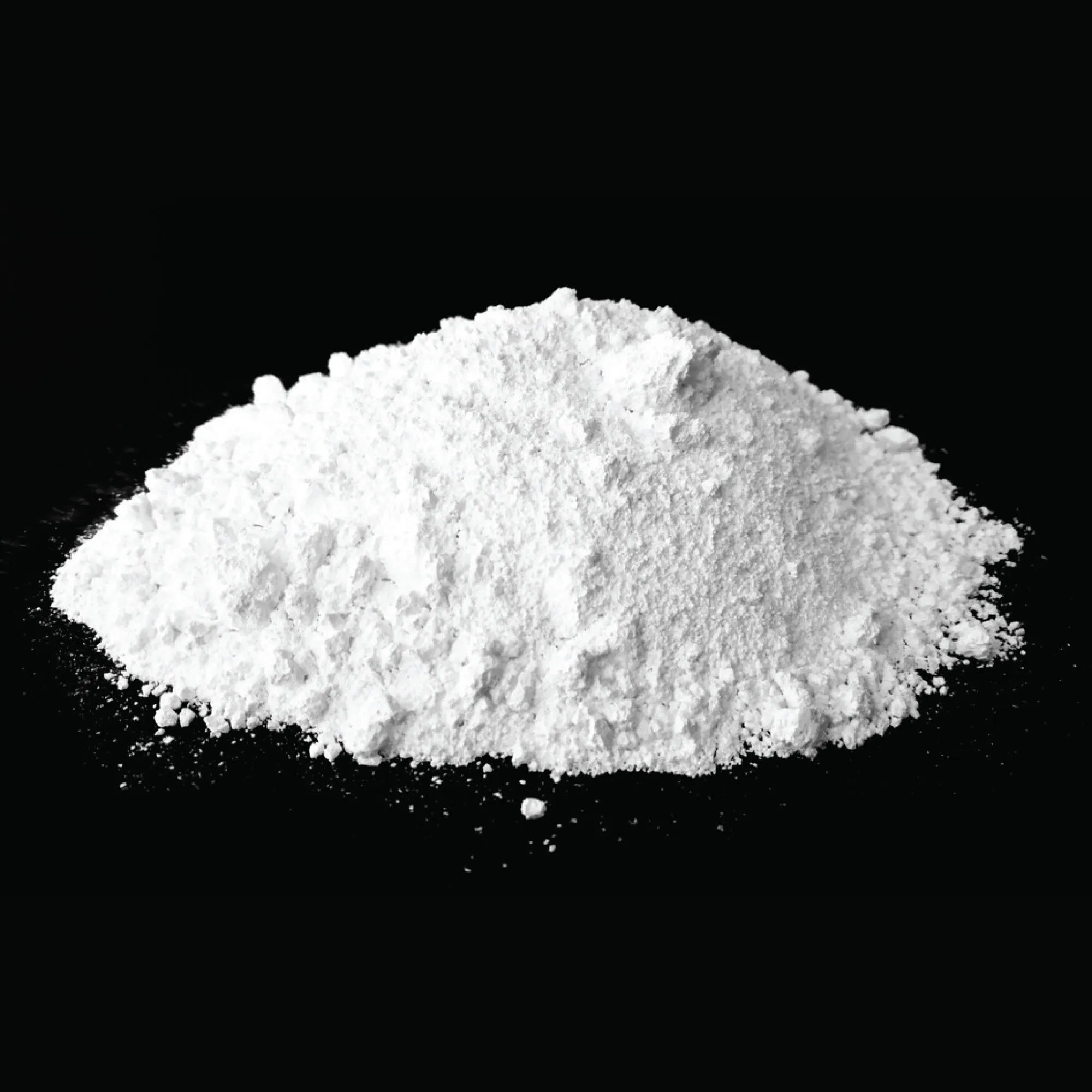
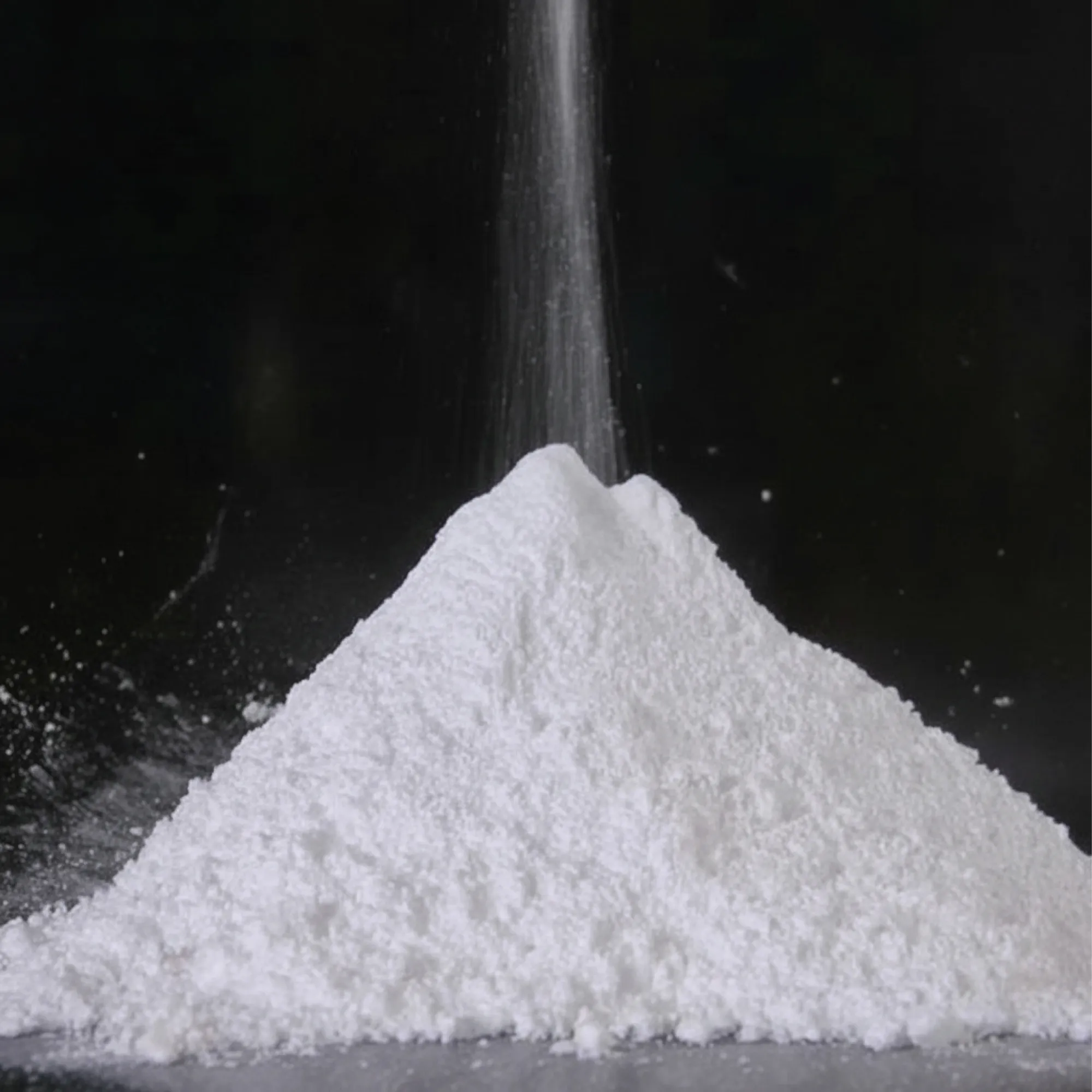
Here's where a quality-controlled supply of calcium carbonate powder changes everything for manufacturers who are tired of chasing defects back to raw materials.
The Real Reason Fillers Cause Product Failures
Most manufacturers know that fillers are added to cut costs, improve density, or adjust texture. What's less talked about is how badly things can go wrong when the filler doesn't match the process.
The two most common problems are particle size inconsistency and surface chemistry mismatch. If your filler has inconsistent particle sizes, you get uneven distribution in the matrix. That creates weak spots. In plastics, you see brittleness. In paints, you get poor coverage or flaking. In rubber, the wear resistance drops. In paper, the print quality suffers.
Surface chemistry is the other side of this. If the filler particles don't bond well with the base material, they sit in the mix like uninvited guests — present but not contributing. Some applications need surface-treated filler specifically because the polymer or resin won't bind otherwise.
None of this is a mystery. It's basic materials science. But it's surprising how often it gets overlooked when sourcing decisions are made on price alone.
What Makes Calcium Carbonate Powder Different From Generic Fillers
Not all calcium carbonate powder is the same grade. The difference between a generic product and a processed, controlled-particle product shows up directly in performance.
Processed calcium carbonate from quality suppliers is ground and classified to tight particle size distributions. That means D97, D50, and D10 values are controlled and consistent batch to batch. When you add filler to a formulation, you need that consistency — because even a small shift in particle size can change how the mix flows, how it compresses, and how the end product performs under stress.
Coated grades go further. A stearic acid coating on calcium carbonate makes the surface hydrophobic and improves dispersion in polymers. This is not optional in many PVC or polyolefin applications — it's the difference between a smooth compound and one that shows surface defects or has poor tensile strength.
Whiteness and brightness matter too, especially in paints, coatings, paper, and masterbatches. A high-whiteness calcium carbonate contributes to opacity and reduces the amount of titanium dioxide needed, which has a direct effect on formulation cost.
How to Tell If Your Filler Is the Problem
You don't need a lab to spot the warning signs. A few things to check:
If you're seeing uneven texture, streaks, or mottling in the final product, particle size distribution is likely inconsistent. If adhesion is dropping or delamination is happening in coatings, the surface treatment may be wrong for your resin system. If brightness or color is inconsistent from batch to batch, look at the source and whiteness control of your filler.
For plastics processors specifically — if your MFI (melt flow index) is shifting between batches with no changes to your process, the filler is the first place to investigate.
Matching the Right Grade to the Right Application
This is where many sourcing decisions go wrong. There is no single calcium carbonate that works for everything. Here's how the grades generally split:
Ground calcium carbonate (GCC) with a coarser particle size works well for construction applications, flooring compounds, and adhesives. Fine GCC with controlled particle size is suited for PVC pipes, cables, and rubber. Ultra-fine or precipitated calcium carbonate (PCC) is used where high surface area and brightness are required — paints, paper coatings, pharmaceuticals, food-grade applications.
Knowing which grade your application needs before you buy is not complicated, but it does require a conversation with a supplier who understands the end-use requirements. Generic distributors often can't provide that.
Why Choose Sudarshan Group
Sudarshan Group produces calcium carbonate powder across multiple grades — coated and uncoated, various particle size ranges, and both GCC and PCC variants. The products are manufactured under controlled conditions with consistent testing for particle size, whiteness, moisture, and surface area.
What matters more than the product list is the technical support. Sudarshan Group's team works with manufacturers to identify the right grade for the application rather than just shipping the nearest available product. That matters when you're troubleshooting a process problem or scaling up a new formulation.
The company also maintains reliable supply consistency, which is a real concern for manufacturers who've dealt with batch variation problems from smaller or less systematic suppliers.
Conclusion
Filler-related failures are fixable. In most cases they trace back to the wrong grade, wrong particle size, or wrong surface treatment for the application. Switching to a controlled, properly tested calcium carbonate product resolves the vast majority of these problems.
If your product quality has been inconsistent since a filler was added, the filler is worth examining before anything else. Sudarshan Group can help you identify what grade makes sense for your process and supply it with the consistency your production line needs.
FAQs
Why does my plastic product become brittle after adding filler? Brittleness usually points to coarse or inconsistent particle sizes in the filler, or poor dispersion caused by a mismatch between the filler's surface chemistry and the polymer. Switching to a coated, fine-grade calcium carbonate often solves this.
What is the difference between coated and uncoated calcium carbonate? Coated calcium carbonate has a surface treatment — usually stearic acid — that makes it compatible with polymer systems and improves dispersion. Uncoated grades are used in applications where the surface treatment is not needed, such as construction compounds or water-based systems.
How do I choose the right particle size for my application? It depends on what you're making. Coarser grades work for construction and flooring. Finer grades are needed for PVC, rubber, and cable compounds. Ultra-fine grades are used in paints, coatings, and paper. A reliable supplier should guide you through this based on your application.
Can calcium carbonate powder affect the color of my final product? Yes. Lower whiteness grades can introduce a grey or off-white tone that affects the final color, especially in white or light-colored products. High-whiteness grades help maintain color accuracy and can reduce the amount of white pigment needed.
Is there a food-grade or pharmaceutical-grade calcium carbonate available? Yes. Precipitated calcium carbonate (PCC) produced under controlled conditions can meet food-grade and pharmaceutical standards. These grades have tighter purity and particle size controls compared to standard industrial grades.




























Sign in to leave a comment.