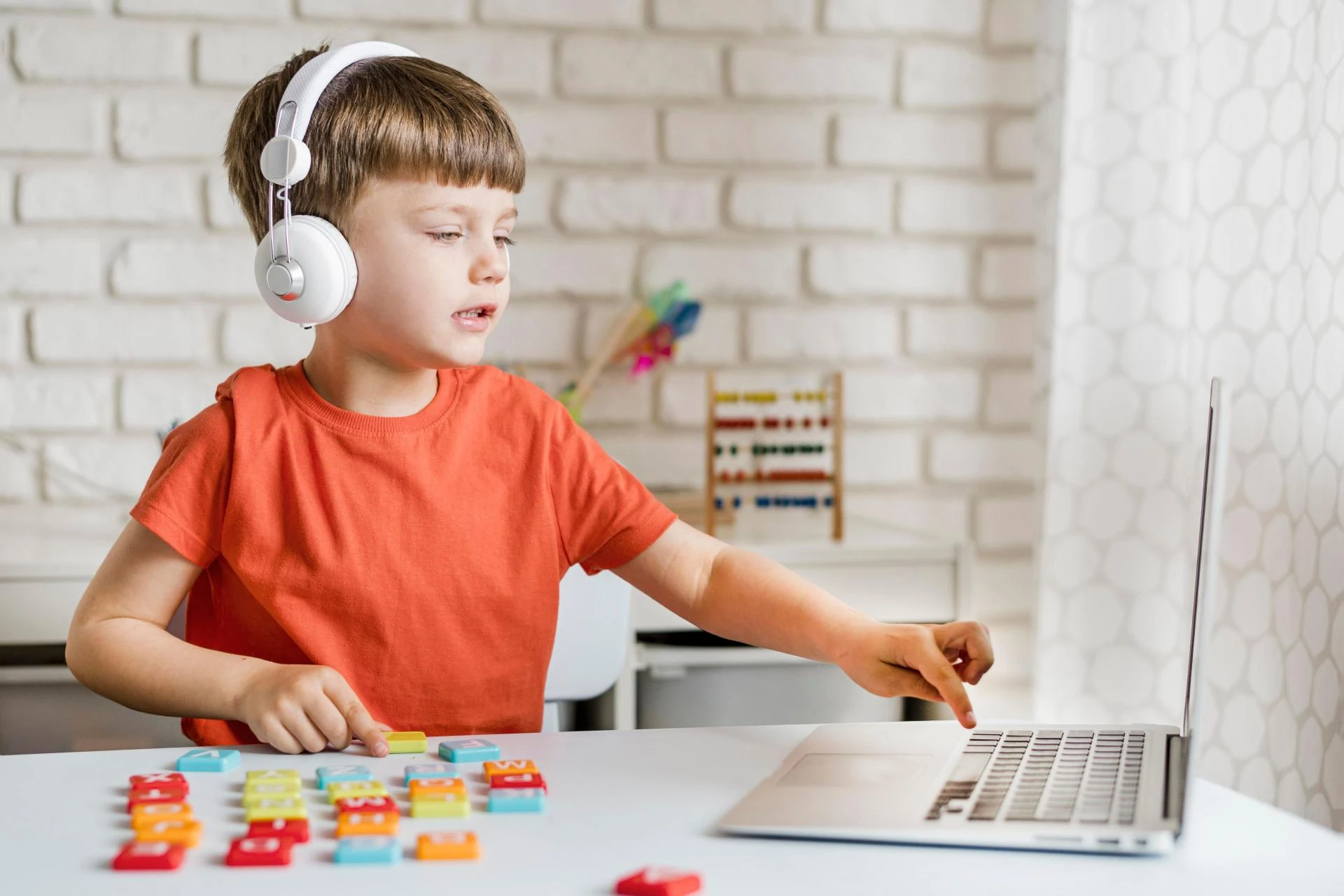

Artificial Intelligence (AI) is evolving faster than most of us imagined. From writing essays to generating code, AI tools are beginning to take over tasks that were once strictly human-driven. One of the biggest questions floating around today is: Will AI eventually replace the need for coding? If machines can write code, what’s the point in learning how to program at all—especially for kids?
It’s a valid concern, especially for parents trying to make smart educational choices. As AI systems like ChatGPT and GitHub Copilot continue to gain attention for their ability to generate lines of code, many wonder if we’re nearing the end of traditional programming education. But here’s the truth: even in a future dominated by AI, the value of teaching children how to code isn’t going away—it’s growing.
Let’s explore why coding is still a must-have skill for the next generation and why enrolling your child in coding classes for kids is one of the smartest moves you can make today.
Can AI Really Replace Coding?
Let’s set the record straight: yes, AI can generate code. It can automate simple tasks, assist developers with boilerplate scripts, and even debug issues. In fact, tools like OpenAI’s Codex can turn plain English into working Python scripts. This makes it tempting to think that learning to code might soon become obsolete.
But here’s the catch—AI isn’t perfect. It can make mistakes, lacks real-world context, and needs humans to guide, prompt, and validate its outputs. AI doesn’t understand problems like a human does. It can mimic patterns, but it doesn’t think creatively or critically. In other words, AI can assist coders, not replace them.
Moreover, AI models are trained on existing codebases. They’re not “inventing” new ways to solve problems—they’re remixing what already exists. In a world where innovation is key, this alone proves that human coders aren’t going anywhere.
Why Kids Still Need to Learn Coding
So, what does this mean for your child’s future? Should they still learn to code?
Absolutely. Coding isn’t just about becoming a software developer. It teaches valuable life skills like logic, perseverance, and problem-solving. When kids learn to code, they’re not just typing out commands—they’re learning how to think.
Here are a few compelling reasons why online coding classes for kids are more relevant than ever in the age of AI:
1. Understanding How Technology Works
We live in a world surrounded by technology. From the apps they use to the robots in factories, coding is the language behind most digital tools. When kids learn to code, they gain a better understanding of how the world around them functions. They become active creators instead of passive consumers.
Imagine a future where your child doesn’t just play a video game—they build one. Or where they don’t just use a robot—they program it to follow their commands. That’s the power of coding.
2. Fostering Creativity
One of the biggest myths about coding is that it’s dry and technical. In reality, coding is deeply creative. Kids can build games, animations, websites, and interactive stories. Coding allows them to take an idea and bring it to life.
Even as AI steps in to handle more complex tasks, creativity remains uniquely human. AI can follow rules, but it can’t innovate like a child with a fresh perspective. Teaching kids to code gives them the tools to express themselves in the digital space.
3. Enhancing Problem-Solving Skills
Coding is like solving a puzzle. It requires kids to think step-by-step, debug their work, and try different approaches until they find a solution. These problem-solving skills aren’t just useful in programming—they’re essential in every aspect of life.
Whether your child wants to be a doctor, an architect, or a filmmaker, the ability to break down complex challenges and find solutions will serve them well. Coding builds resilience, persistence, and analytical thinking—all critical 21st-century skills.
4. Gaining a Competitive Edge
As automation increases across industries, the demand for people who understand how to work with AI will also rise. Knowing how to code, even at a basic level, will give your child a significant advantage.
Rather than fearing AI, children who learn coding early will be in a position to control, shape, and improve it. They’ll know how to collaborate with intelligent systems, spot errors, and create innovative tools that push technology forward.
5. Building Digital Confidence
Learning to code builds confidence. Kids go from saying “I can’t” to “I can figure this out.” This growth mindset is critical in a rapidly changing digital world. When kids know how to troubleshoot and learn from their mistakes, they become more adaptable and fearless.
Digital confidence also means kids are less likely to be intimidated by new technologies—whether it’s AI or something we haven’t imagined yet. They’ll have the foundation to learn and adapt quickly.
Coding and AI: Better Together
Rather than thinking of AI as a replacement for coding, we should think of it as a partner. Just like calculators didn’t eliminate the need to learn math, AI won’t eliminate the need to understand code. What it will do is shift the way we teach and use programming.
Tomorrow’s coders won’t just write code—they’ll also instruct and refine AI systems. They’ll need to understand how algorithms work, how data is processed, and how to ensure ethical, responsible AI development. These are skills that go beyond basic coding—they begin with foundational knowledge learned in childhood.
Many modern coding classes for kids already introduce students to concepts like logic, sequences, loops, and conditionals using block-based tools like Scratch or real-world languages like Python. These fundamentals are exactly what kids need to understand and thrive in an AI-enhanced world.
Preparing Kids for an AI-Driven Future
The world your child grows up in will be dramatically different from today. Automation, smart systems, and AI will be embedded in every industry—from healthcare and finance to transportation and entertainment. Jobs that don’t even exist today will become common in the next 10–20 years.
But here’s the good news: while many routine tasks will be automated, human creativity, critical thinking, and emotional intelligence will always be in demand. Learning to code teaches all of these—and gives kids the tools to stand out in a digital economy.
So, what should you do as a parent?
The answer is simple: invest in your child’s future by giving them early access to quality tech education. Enrol them in online coding classes for kids that are engaging, age-appropriate, and fun. Look for courses that combine structure with creativity and offer opportunities to build real-world projects.
Final Thoughts
AI may be changing the way we interact with technology, but it’s not replacing the need to understand how technology works. In fact, the rise of AI only increases the importance of coding literacy.
By helping your child learn to code, you’re equipping them with more than just a tech skill—you’re giving them a mindset that embraces curiosity, innovation, and adaptability.
So the next time someone asks, “Will AI replace coding?” you’ll know the answer: no. Coding isn’t going anywhere—it’s evolving. And your child has every reason to be part of that evolution.
The future is digital, and it belongs to those who can create it. Let your child be one of them. Start their journey with online coding classes for kids today.





























Sign in to leave a comment.