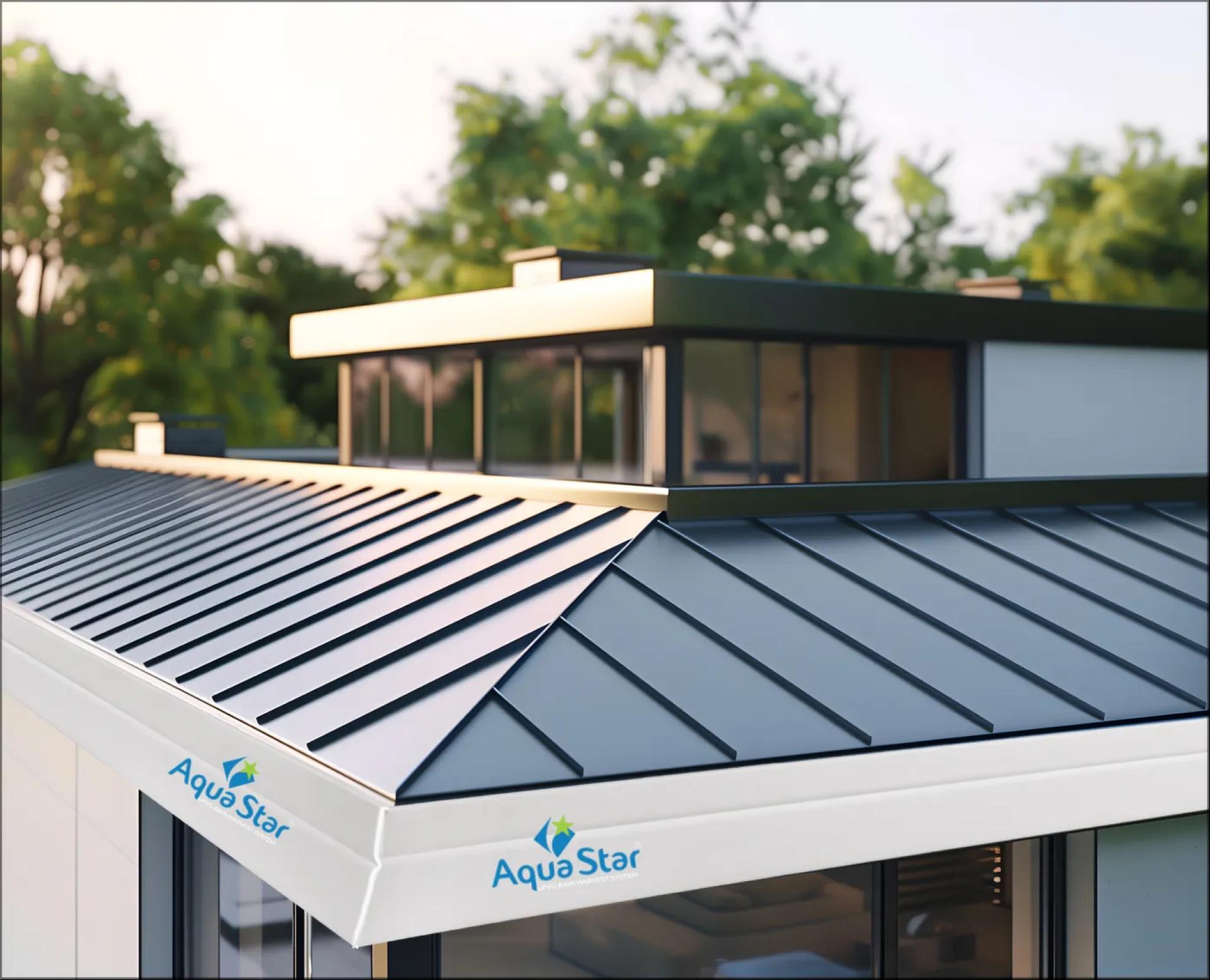

A functioning gutter system may not be the most noticeable feature of a home, but it silently performs one of the most essential tasks—protecting the building from water damage. During every rainfall, gutters collect and guide water away from the roof, walls, and foundation. When operating smoothly, they prevent flooding, soil erosion, dampness, mold formation, and structural deterioration.
However, gutters do not last forever. They face constant exposure to weather, UV rays, debris, temperature changes, and physical stress. Over time, damage can accumulate, and when left unaddressed, small issues can turn into serious structural threats. Many homeowners fail to recognize early warning signs, only noticing the problem once visible water damage appears.
Understanding the early indications of gutter damage helps prevent expensive repairs, unnecessary replacements, and long-term safety risks. The condition of your Rainwater gutter pipe directly determines whether your home remains dry, protected, and structurally strong. The sooner you identify the signs, the easier and more affordable it is to resolve them.
This guide explains the top warning signals that your gutter system needs inspection, repair, or complete replacement. Whether your home is new, old, renovated, or undergoing maintenance, recognizing these signs can save time, money, and stress.
Why Damaged Gutters Should Never Be Ignored
A damaged gutter system may not seem urgent, especially if water still appears to drain normally. But all gutter problems worsen gradually. Each rainfall pushes more water into the flawed section, spreading moisture into places it does not belong. Minor leaks turn into major cracks. Slight misalignment becomes full detachment. Small clogs become constant overflow.
Neglecting gutter damage can lead to:
- Foundation weakening
- Wall seepage and bubbling paint
- Mold, mildew, and damp interior air
- Basement flooding
- Rust stains on exterior walls
- Roof edge rot
- Termite or pest attraction due to moisture
- Landscaping erosion and pathway damage
Repairing gutters is far cheaper than repairing structural damage caused by uncontrolled rainwater.
Sign 1: Water Overflowing During Rain
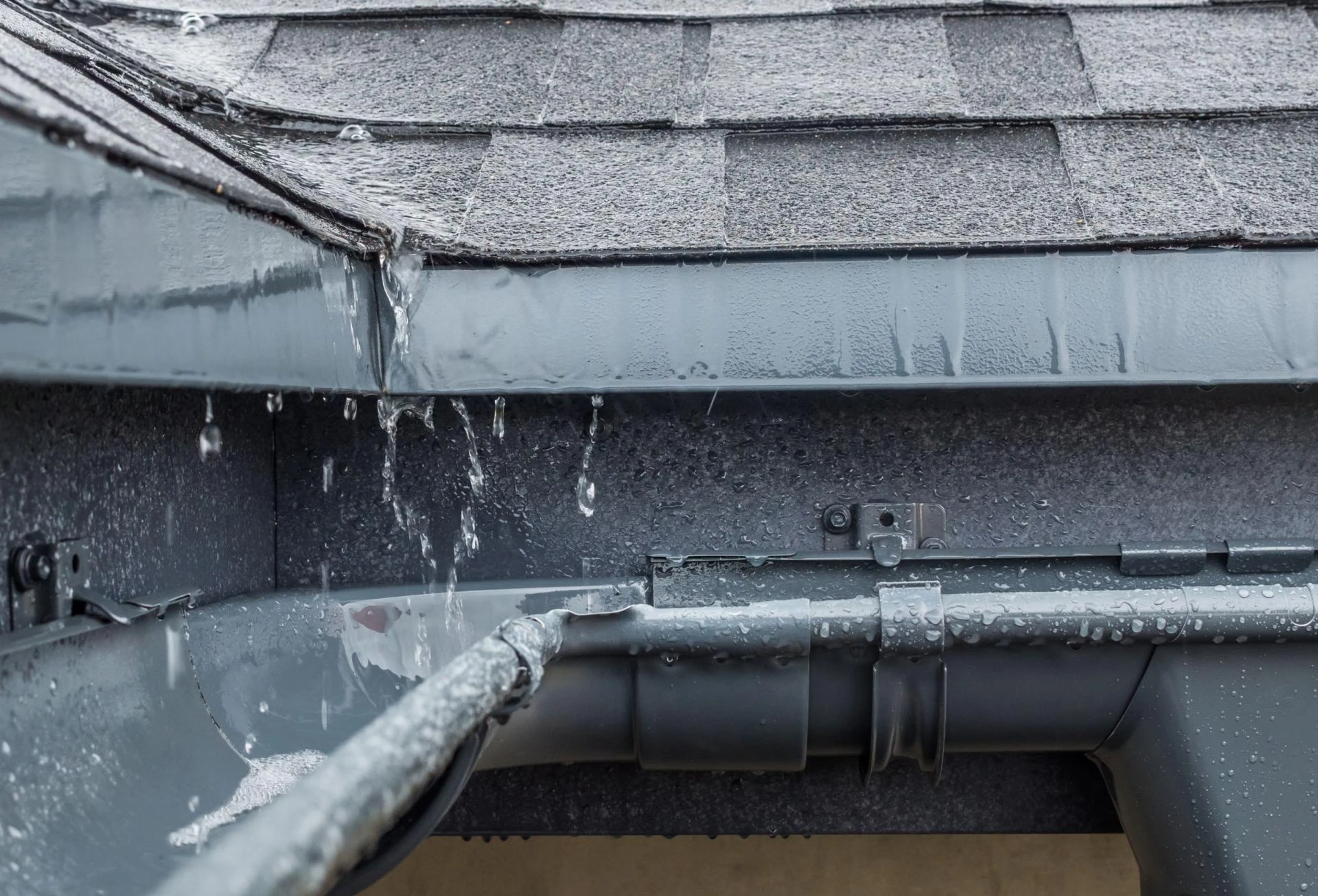
One of the most visible and common signs of gutter trouble is water spilling over the sides. This usually indicates blockage, undersized pipes, debris accumulation, or improper slope. Overflowing water can run down the walls, discoloring them and slowly causing internal dampness.
If overflow occurs only during extremely heavy rainfall, your gutter capacity may be insufficient for your region’s climate. However, if even mild rain causes water to pour out, immediate inspection is needed.
Sign 2: Sagging or Pulling Away from the Roofline
A gutter should remain firmly attached to the fascia board, following a smooth horizontal line with slight slope. When sections begin bending downward, sagging, or pulling away, it means either the brackets are failing or the gutters are weighed down.
This often results from trapped debris, stagnant water, or worn hardware. A sagging gutter disrupts water flow, creating stagnant pools that eventually cause cracking, leaking, or collapse.
Sign 3: Unexplained Damp Patches on Exterior Walls
If you notice wall discoloration, peeling paint, moss growth, or damp streaks, the source may be a faulty gutter rather than interior plumbing. When gutters leak or overflow, water runs down the exterior walls, gradually soaking through the surface.
Over time, this moisture reaches internal walls, weakening plaster, damaging insulation, and increasing humidity inside the home.
Sign 4: Visible Cracks, Holes, or Rusting
Gutters must remain structurally intact to function effectively. Even a small crack can slowly leak water, damaging the area beneath it. Cracks may appear due to weather exposure, UV damage, physical impact, or long-term wear.
Metal gutters may also develop rust spots, which eventually create holes. If cracks or rust marks are limited to a small area, repairs may be possible. But widespread structural deterioration often requires replacement.
Sign 5: Persistent Clogging and Debris Accumulation
Leaves, twigs, dust, bird nests, and roofing granules commonly collect inside gutters. Occasional clogging is normal, especially near trees. But if blockages are constant even after cleaning, something is wrong.
The gutter may have the wrong size, shape, slope, or outlet position. Older gutters with rough internal surfaces allow debris to stick more easily. Downpipe bends may also restrict flow.
Persistent clogs signal system inefficiency and should not be ignored.
Sign 6: Water Pooling Near the Foundation
After rainfall, check the ground around your home. If water pools at the base of walls, patios, or pathways, your gutter system may be discharging incorrectly. Properly functioning gutters should guide water several feet away or into drainage channels.
Foundation pooling is one of the most dangerous signs of gutter failure because it weakens structural integrity over time. It can cause soil erosion, foundation cracking, uneven flooring, and sometimes basement flooding.
Sign 7: Mold, Moss, or Algae Growth Around Gutters
Moisture encourages biological growth. If mold, moss, or algae appear on the exterior walls near gutter lines, it means water is either leaking or constantly dripping. These growths thrive only where moisture remains for long periods, which indicates gutter malfunction.
Besides aesthetic damage, mold can worsen air quality and trigger respiratory issues if it spreads indoors.
Sign 8: Loose or Missing Fasteners, Brackets, or Screws
Gutters rely on strong support hardware to stay firmly in place. If screws loosen, brackets break, or fasteners detach, the gutter becomes unstable. Without structural support, gutters sag, leak, or collapse during heavy rainfall.
Loose hardware may also indicate that wood fascia boards have rotted from long-term water exposure, requiring deeper repairs.
Sign 9: Peeling or Bubbling Paint Under Roof Edge
Exterior paint is designed to withstand rain. However, when walls are repeatedly exposed to overflowing or dripping water, paint begins to peel, blister, or bubble. This is an early indicator of drainage problems before cracks or dampness appear internally.
Peeling paint often reveals the exact location of the gutter defect.
Sign 10: The Gutter System Is Old or Outdated
Like all building components, gutters have a lifespan. uPVC may last 20 to 30 years, aluminum around 20, galvanized steel 10 to 15, and cast iron even longer with maintenance. But age brings wear, corrosion, brittleness, and reduced functionality.
If repairs become frequent, upgrading the entire system may be more cost-effective and safer.
Repair or Replace? How to Decide
Not every gutter issue requires replacement. Many minor problems can be repaired affordably. However, replacement becomes necessary when:
- Damage covers multiple sections
- The gutter is severely corroded or cracked
- The slope cannot be corrected
- The size is inadequate for rainfall volume
- Maintenance costs keep increasing
- The system no longer meets home design needs
- Foundation damage has already begun
A professional inspection helps determine whether repair or replacement is the better long-term choice.
Preventing Future Gutter Damage
Prevention is always easier than repair. Simple habits can significantly extend the life of your gutter system.
- Clean gutters at least twice a year
- Install gutter guards if surrounded by trees
- Inspect after storms or heavy winds
- Ensure proper slope and bracket spacing
- Flush gutters occasionally to remove sediment
- Trim overhanging branches near the roof
- Check downpipes for blockages
- Use weather-resistant hardware and sealants
Timely maintenance reduces risks of leaks, clogging, sagging, and overflow.
When to Call a Professional
While homeowners can identify early signs, professional help becomes important when:
- Working at height is unsafe
- Damage affects multiple areas
- The gutter system requires redesigning
- Downpipes need repositioning
- Structural or foundation issues exist
- Repairs keep failing
- Replacement involves cutting, sealing, or leveling
Experts offer accurate diagnosis and long-lasting solutions.
Final Thoughts
A gutter system may not attract attention when functioning perfectly, but the moment it fails, the consequences become visible, costly, and often irreversible. Monitoring your gutter system regularly, recognizing early damage, and responding quickly can protect your home from structural deterioration, mold, exterior staining, or foundation weakening.
Whether you are maintaining an existing system, dealing with unexpected leaks, or considering upgrading, awareness is your strongest tool. Know what to look for, observe changes, and act before the problem grows. Your home remains stable, dry, and structurally secure when the Rain water gutter performs reliably.






























Sign in to leave a comment.