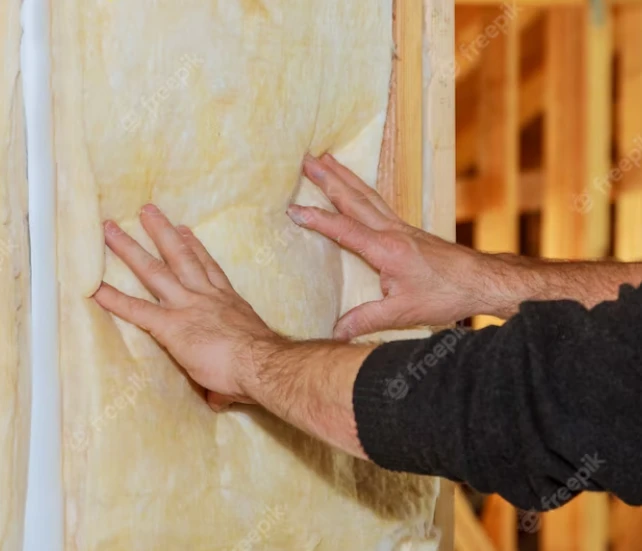

When thinking about home insulation, many people wonder how external wall insulation York will perform during the hot summer months. Insulation is important for keeping a warm living environment, but some think insulation can make a room too hot. In this piece, we'll talk about external wall insulation and its benefits. We'll also talk about worries about heat in the summer. By knowing how insulation and air work, homeowners can make smart choices to make their homes more comfy and save energy.
Understanding External Wall Insulation:
What is External Wall Insulation?
External wall insulation, also called solid wall insulation, is a way to improve the heat performance of a building by adding insulation to its outside walls. External wall insulation is different from hollow wall insulation because it doesn't fill the space between the inner and outer walls. Instead, it directly adds a layer of insulation material to the exterior wall surface.
How Does External Wall Insulation Work?
External wall insulation keeps heat from moving through the walls as little as possible. This keeps heat from leaving in the winter and coming in during the summer. Making a shield against temperature changes helps keep the temperature inside more stable.
Benefits of External Wall Insulation:
Energy Efficiency:
Energy economy is one of the main benefits of insulation outside walls. Stopping heat from escaping makes a big difference in how much energy is needed to heat the house in the winter. This means lower energy bills and a smaller carbon footprint.
Reduced Energy Bills:
Homeowners can expect their energy bills to decrease if they make their homes more energy efficient. Insulation usually saves more money over time than it costs at first. This makes it a good choice in the long run.
Enhanced Comfort:
External wall insulation helps keep the temperature inside a home steady, which makes it a more comfy place to live. This reduces drafts and cold spots, making sites more comfortable and useful all year.
Concerns Regarding Heat During Summers:
Will External Wall Insulation Make My Home Too Hot?
A common worry is that insulating the outside of a home will make it too hot to live in during the summer. Even though insulation keeps heat in, using the right materials and methods can keep it from getting too hot.
Thermal Insulation and Heat Regulation:
It's important to know that insulation doesn't make heat; it just keeps it in. The inside temperature could rise during the summer if the insulation lacks enough air.
Preventing Overheating:
Homeowners can keep their homes from getting too hot by putting shiny coats or light-colored finishes on the outside walls. These help block the sun and keep heat from getting in.
The Role of Ventilation:
Importance of Proper Ventilation:
Homes with insulation on the outside of the walls must have good airflow. It lets hot air leave and fresh air come in, keeping the room comfortable.
Incorporating Ventilation Systems:
Different ventilation systems, like mechanical ventilation or passive cooling, are available to homeowners. Talking to a professional can help determine the best choice for each home.
External Wall Insulation Materials and Techniques:
Choosing the Right Materials:
The insulation choice can greatly affect how well a home keeps heat in or out. Materials with a higher R-value (thermal resistance) are better at insulating.
Effective Insulation Techniques:
How well outdoor wall insulation works is also affected by how it is put in place. The best efficiency is ensured by a proper placement with as few thermal bridges as possible.
Expert Recommendations:
Consulting a Professional:
If you want to insulate the outside of your walls, you should talk to a professional insulation provider. They can figure out what the property needs and suggest the best options.
Assessing Your Property's Needs:
Each home has unique insulating needs. When planning the insulation project, you should consider the temperature, the building's structure, and how people live there.
Conclusion:
External wall insulation is a good purchase that saves money on energy bills and makes a home more comfortable. Concerns about warmth in the summer can be solved with the right insulation, airflow, and advice from an expert. By finding a good mix between insulation and ventilation, homeowners can make a warm living area that can be used all year.



























Sign in to leave a comment.