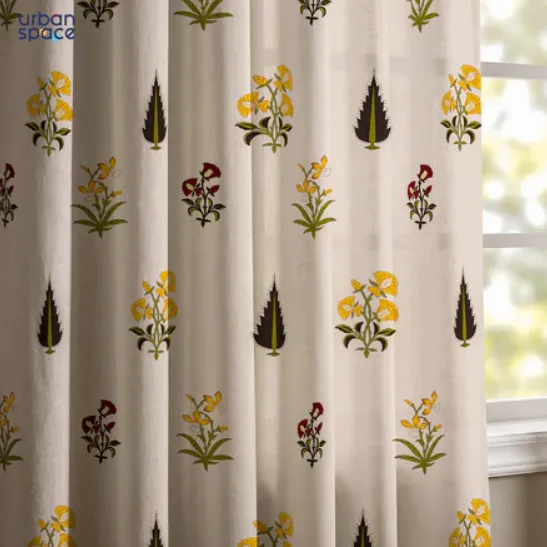

When it comes to decorating windows, most homeowners end up choosing between window blinds and curtains. Both options serve the same basic purpose: controlling light, providing privacy, and adding character to a room. However, the way they look, function, and fit into modern interiors can be quite different.
Over the past few years, window blinds have become increasingly popular in urban homes, apartments, and offices. At the same time, curtains remain a timeless choice that many homeowners still prefer for their softness and decorative appeal.
If you're unsure which one suits your space better, this guide breaks down the key differences between window blinds and curtains, helping you make a practical decision for your home.
Understanding Window Blinds
Window blinds are structured window coverings made with slats, panels, or fabric that can be adjusted to control light and privacy. They are usually operated with a pull cord, chain, or motorized system.
Because of their sleek design, window blinds are widely used in contemporary homes and offices.
Common types include:
- Roller blinds
- Vertical blinds
- Venetian blinds
- Zebra blinds
- Blackout blinds
These options allow homeowners to control sunlight precisely, which is one of the main reasons why window blinds are gaining popularity.
Understanding Curtains
Curtains are fabric panels that hang from rods above the window. They are often used for decoration as well as light control.
Unlike window blinds, which focus more on functionality, curtains often play a larger role in interior styling. They can add warmth, color, and texture to a room.
Popular curtain styles include:
- Sheer curtains
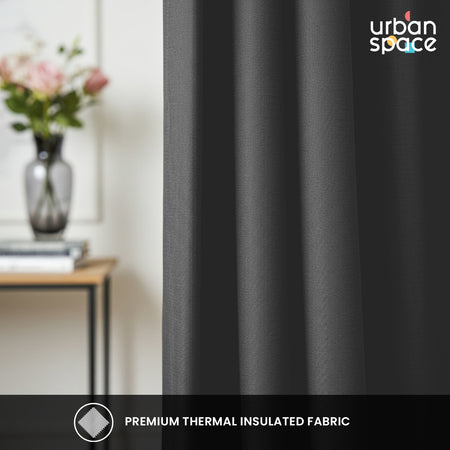
- Blackout curtains
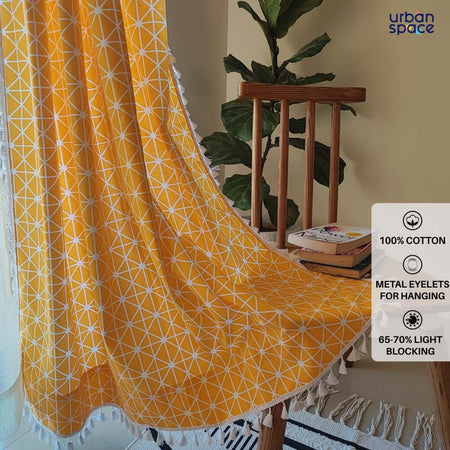
- Cotton curtains
- Linen curtains
- Patterned or embroidered curtains
Many homeowners layer curtains with sheers or blinds to create both style and functionality.
Window Blinds vs Curtains: Quick Comparison
| Feature | Window Blinds | Curtains |
| Light control | Highly adjustable | Limited control |
| Maintenance | Easy to clean | Requires washing |
| Space usage | Compact | Requires more space |
| Style impact | Minimalist | Decorative |
| Cost range | Moderate to high | Budget to premium |
Both window blinds and curtains serve useful purposes, but the right choice depends on your room layout and design goals.
Light Control and Privacy
One of the biggest advantages of window blinds is precise light control. You can tilt the slats or adjust the fabric position to allow just the right amount of sunlight.
With curtains, you usually have two choices: fully open or fully closed. While thick curtains can block light effectively, they do not offer the same adjustable control as window blinds.
For spaces like home offices, bedrooms, or media rooms, many people prefer window blinds because they allow flexibility throughout the day.
Maintenance and Cleaning
Cleaning requirements are another factor that influences the decision.
Window blinds are easier to maintain because they usually require only dusting or wiping with a cloth. This makes them practical for busy households.
Curtains, on the other hand, collect dust over time and often need to be removed and washed periodically. Heavy fabrics may even require dry cleaning.
For homeowners looking for low-maintenance solutions, window blinds often feel more convenient.
Aesthetic Appeal
In terms of visual impact, curtains still have a strong advantage. They add softness and warmth to interiors and can become a focal point in the room.
Patterns, embroidery, and textured fabrics make curtains ideal for traditional or decorative interiors.
Window blinds, however, appeal to people who prefer clean lines and minimal design. Their structured appearance works well in modern apartments and contemporary homes.
Some homeowners combine both options by installing window blinds for light control and layering them with curtains for decoration.
Space and Room Layout
Another practical consideration is the available space around the window.
Window blinds are compact and fit closely against the window frame. This makes them ideal for smaller rooms, apartments, and workspaces where space is limited.
Curtains require more room because they extend beyond the window frame and need space to hang and slide.
In compact urban homes, many interior designers recommend window blinds because they help keep the space visually uncluttered.
Cost Considerations
Budget also plays a role in choosing between window blinds and curtains.
Simple curtains made from cotton or polyester are usually affordable and widely available. However, designer or custom curtains can become expensive.
Window blinds often have a higher upfront cost depending on the material and mechanism. Motorized blinds, for example, are significantly more expensive.
Still, many homeowners consider window blinds a worthwhile investment because of their durability and long-term functionality.
Read More : common mistakes people make when buying king size
Best Rooms for Window Blinds
Certain rooms benefit more from window blinds due to their functionality.
Ideal spaces for window blinds:
- Home offices
- Study rooms
- Kitchens
- Bathrooms
- Modern living rooms
These spaces often require precise light control, which makes window blinds more practical than traditional curtains.
Best Rooms for Curtains
Despite the growing popularity of window blinds, curtains still work better in some areas of the home.
Rooms where curtains work well:
- Bedrooms
- Formal living rooms
- Guest rooms
- Traditional interiors
The soft fabric texture of curtains helps create a cozy and welcoming atmosphere.
Combining Window Blinds and Curtains
Many interior designers suggest using both window blinds and curtains together.
This layered approach offers several advantages:
- Improved light control
- Better insulation
- More decorative styling
- Enhanced privacy
For example, roller window blinds can block harsh sunlight during the day, while decorative curtains add elegance to the room.
Some modern home décor brands such as Urban Space even design window treatments that coordinate window blinds and curtains with other home textiles, helping homeowners create a more cohesive interior.
Which Option Should You Choose?
Choosing between window blinds and curtains ultimately depends on your priorities.
If your focus is functionality, minimal design, and easy maintenance, window blinds are often the better choice.
If your priority is warmth, texture, and decorative styling, curtains may suit your home better.
For many households, the ideal solution is not choosing one over the other but combining window blinds and curtains to get the benefits of both.
Final Thoughts
Windows play a major role in how a home feels and functions. Whether you choose window blinds, curtains, or a mix of both, the goal should be to create a comfortable and visually pleasing space.
Modern interiors often lean toward window blinds for their practicality and clean look, but curtains remain a classic option that adds warmth and personality.
By understanding the strengths of each option, homeowners can select the window treatment that best suits their lifestyle, interior style, and daily needs.





























Sign in to leave a comment.