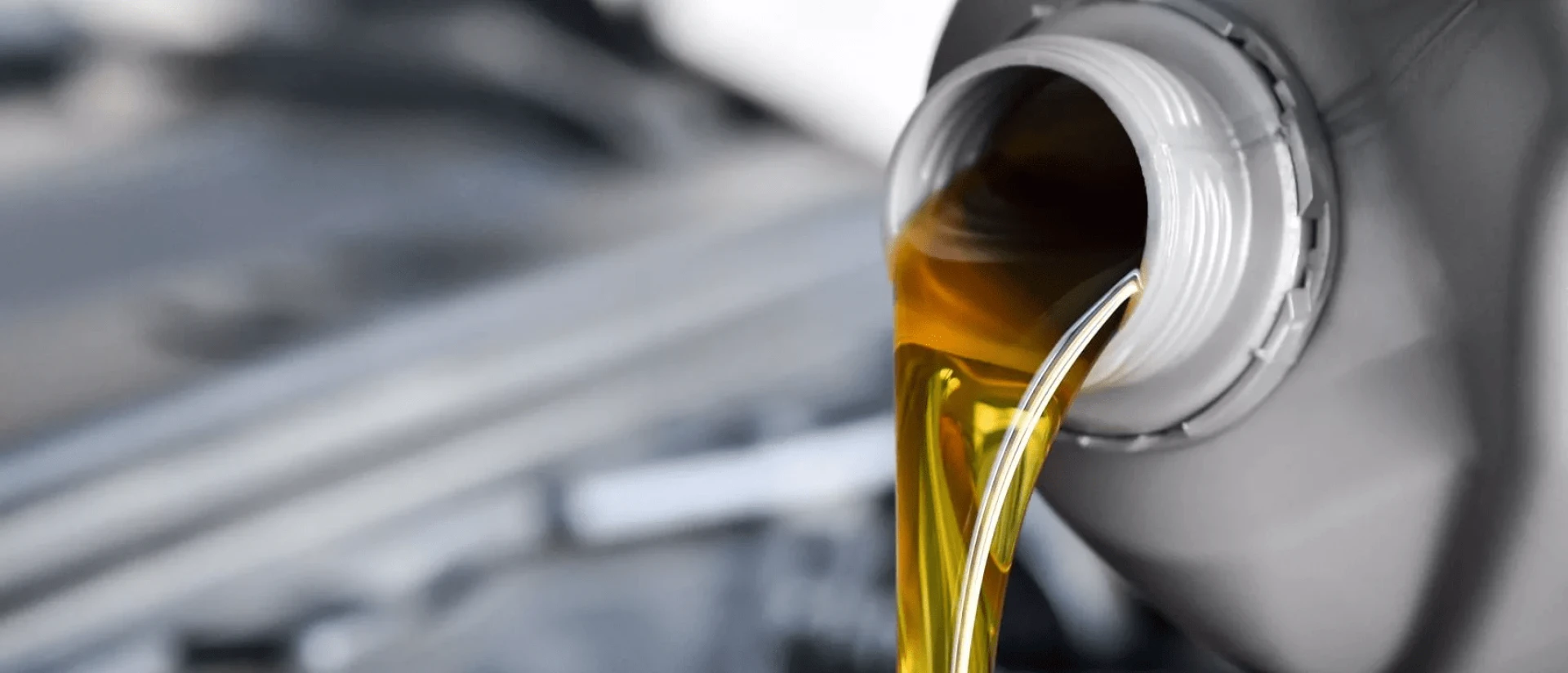

As winter\'s chill settles in, ensuring your home is cozy and warm becomes a top priority. For many households reliant on domestic oil heating systems, preparation is key to maintaining comfort and efficiency throughout the coldest months. In this guide, we\'ll explore the top strategies for winter-proofing your home and optimizing your domestic oil heating system for reliable performance.
Understanding Domestic Oil Heating Systems
Before delving into strategies for winter-proofing, let\'s first understand how domestic oil heating systems function. These systems typically consist of an oil tank, a burner, a heat exchanger, and distribution pipes. The burner ignites the oil, heating the heat exchanger, which then warms the air or water circulated throughout the house.
1. Schedule Regular Maintenance
Regular maintenance is crucial to ensure your domestic oil heating system operates efficiently during winter. Before the onset of cold weather, schedule a professional inspection to check for any issues or potential problems. This includes cleaning or replacing filters, checking fuel lines for leaks, and ensuring the burner is functioning optimally. By addressing any maintenance needs early, you can avoid costly breakdowns and ensure uninterrupted heating throughout the season.
2. Insulate Your Home
Proper insulation is essential for retaining heat and reducing energy loss in your home. Insulate walls, ceilings, floors, and attics to create a thermal barrier that prevents heat from escaping. Pay special attention to areas prone to drafts, such as windows and doors. Seal gaps and cracks with weatherstripping or caulking to prevent cold air infiltration. Additionally, consider installing insulated curtains or blinds to further minimize heat loss through windows.
3. Upgrade to a High-Efficiency System
If your domestic oil heating system is outdated or inefficient, consider upgrading to a modern, high-efficiency model. Newer systems offer advanced features such as condensing technology, which extracts more heat from the combustion process, resulting in greater fuel efficiency. While the upfront cost of upgrading may seem daunting, the long-term savings on fuel bills and reduced environmental impact make it a worthwhile investment.
4. Install a Programmable Thermostat
A programmable thermostat allows you to set heating schedules based on your household\'s daily routines, ensuring optimal comfort while minimizing energy consumption. Program the thermostat to lower the temperature during times when the house is unoccupied or at night when everyone is asleep. By reducing the temperature by just a few degrees, you can save significantly on heating costs without sacrificing comfort.
5. Practice Energy-Efficient Habits
In addition to optimizing your heating system, adopting energy-efficient habits can further reduce your home\'s energy consumption during winter. Simple actions such as wearing warm clothing, using blankets, and closing curtains at night can help retain heat and reduce the need for constant heating. Additionally, cooking and baking can help warm your home naturally, allowing you to lower the thermostat slightly.
6. Monitor Fuel Levels
Regularly monitor your domestic oil tank to ensure an adequate supply of fuel throughout the winter season. Running out of oil during a cold spell can lead to discomfort and potential damage to your heating system. Keep track of your fuel usage and schedule timely deliveries to avoid any interruptions in heating.
7. Consider Alternative Heating Sources
In case of an emergency or unexpected fuel shortage, having alternative heating sources on hand can provide peace of mind. Portable space heaters powered by electricity or propane can serve as temporary heating solutions until normal fuel delivery resumes. However, exercise caution when using space heaters, and follow safety guidelines to prevent accidents or fire hazards.
Conclusion
Winter-proofing your home and optimizing your domestic oil suppliers are essential steps to ensure comfort, efficiency, and reliability during the colder months. By scheduling regular maintenance, insulating your home, upgrading to a high-efficiency system, and practicing energy-efficient habits, you can minimize heating costs and reduce your environmental footprint. With proper preparation and attention to detail, you can enjoy a warm and cozy home throughout the winter season.


























Sign in to leave a comment.