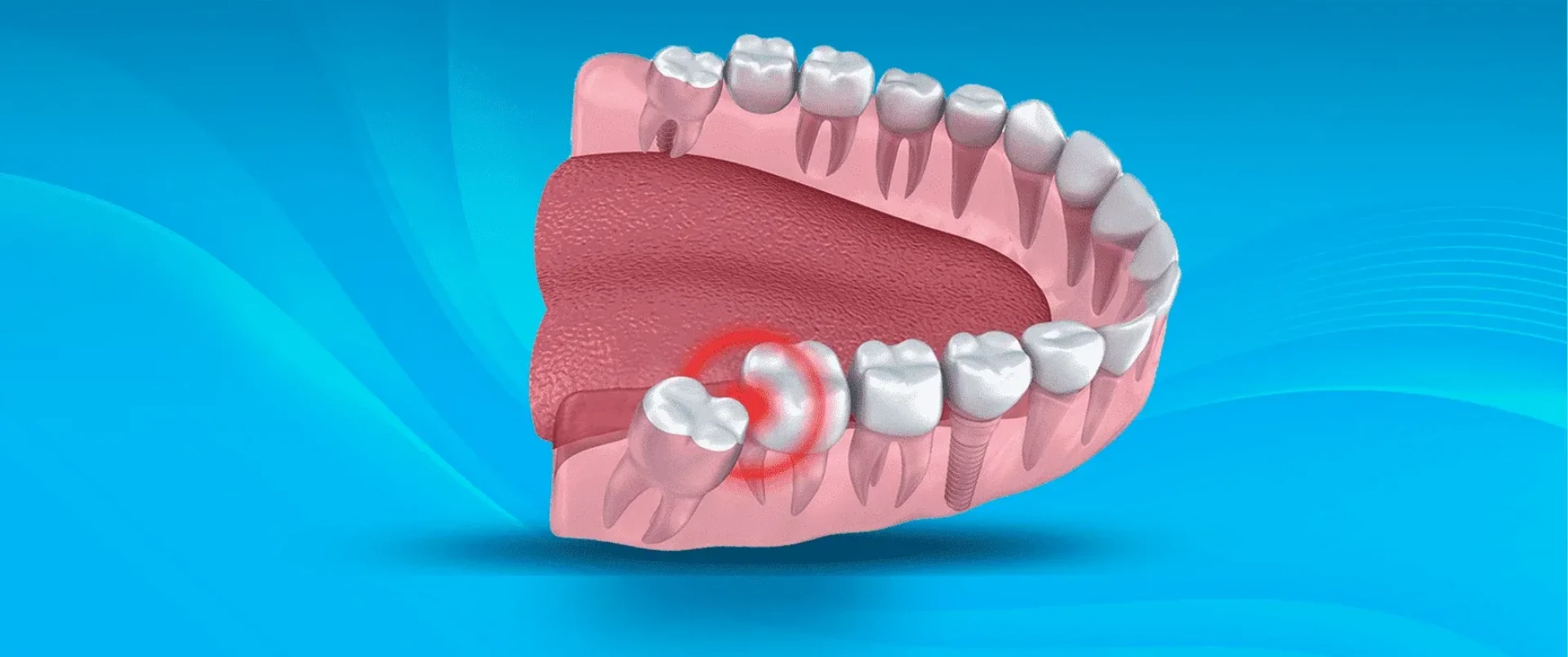

Wisdom tooth extraction is one of the most common dental procedures performed worldwide. Many people experience problems with their wisdom teeth, especially during their late teens or early twenties. While some individuals never face issues, others may need removal due to pain, infection, or overcrowding. Understanding the process can help reduce anxiety and prepare you for a smooth experience. This guide explains everything you need to know before undergoing wisdom tooth extraction.
What Are Wisdom Teeth?
Wisdom teeth are the third set of molars located at the very back of the mouth. Most people develop four wisdom teeth—two on the top and two on the bottom—usually between the ages of 17 and 25. They are called “wisdom teeth” because they appear at a more mature age.
In the past, wisdom teeth were useful for our ancestors who had tougher diets that required stronger chewing. However, modern diets and smaller jaw sizes often leave little room for these extra molars, which can lead to dental problems.
Why Wisdom Tooth Extraction Is Necessary
Not everyone needs their wisdom teeth removed. However, dentists often recommend extraction when these teeth cause or are likely to cause complications.
Some common reasons for wisdom tooth extraction include:
Impaction:
A wisdom tooth may become trapped under the gums or jawbone, preventing it from emerging properly. Impacted teeth can cause pain, swelling, and infection.
Overcrowding:
If there isn’t enough space in the jaw, wisdom teeth can push other teeth out of alignment, affecting your bite and smile.
Infection and Gum Disease:
Partially erupted wisdom teeth create pockets where food and bacteria can collect, increasing the risk of gum infection.
Tooth Decay:
Wisdom teeth are located far back in the mouth, making them difficult to clean properly. This increases the chances of cavities.
Damage to Nearby Teeth:
Growing wisdom teeth may press against neighboring molars, causing damage or discomfort.
Signs You May Need Wisdom Tooth Extraction
Certain symptoms may indicate that your wisdom teeth need to be removed. If you experience any of the following signs, it is important to consult a dentist:
- Persistent pain at the back of the mouth
- Swelling or redness in the gums
- Jaw stiffness or difficulty opening the mouth
- Bad breath or unpleasant taste
- Frequent infections around the wisdom tooth area
- Headaches or jaw pain
A dental examination and X-rays will help determine whether extraction is necessary.
If you notice these symptoms, it is important to seek professional dental care. Many patients looking for wisdom tooth extraction in Mulund East choose Dr. Roshan's Advanced Dental Clinic And Implant Center for safe and comfortable treatment. An experienced dentist can evaluate your condition using digital X-rays and recommend whether extraction is necessary.
Preparing for Wisdom Tooth Extraction
Preparation for the procedure usually begins with a consultation with your dentist or oral surgeon. During this appointment, your dental professional will review your medical history, take X-rays, and explain the procedure.
Here are a few steps to prepare for wisdom tooth extraction:
Follow Pre-Procedure Instructions:
Your dentist may advise you not to eat or drink for several hours before the surgery, especially if sedation will be used.
Arrange Transportation:
If you receive sedation or anesthesia, you may feel drowsy afterward. It is best to arrange for someone to drive you home.
Wear Comfortable Clothing:
Loose and comfortable clothing can help you feel more relaxed during the procedure.
Stock Up on Soft Foods:
Prepare foods such as yogurt, soup, mashed potatoes, smoothies, and applesauce for your recovery period.
The Wisdom Tooth Extraction Procedure
Wisdom tooth extraction is typically performed by a dentist or oral surgeon and usually takes less than an hour.
The procedure generally follows these steps:
Anesthesia:
Your dentist will administer local anesthesia to numb the area. In some cases, sedation or general anesthesia may be used to ensure comfort.
Gum Incision:
If the tooth is impacted, the dentist may make a small incision in the gum to access the tooth.
Tooth Removal:
The tooth may be removed in one piece or divided into smaller sections for easier extraction.
Cleaning the Area:
The socket is cleaned to remove debris or bacteria.
Stitches:
In some cases, stitches may be used to close the gum and promote healing.
A gauze pad is placed over the extraction site to control bleeding.
What to Expect After the Procedure
After the extraction, it is normal to experience some swelling, mild pain, and slight bleeding. These symptoms usually improve within a few days.
Your dentist may recommend pain medication or antibiotics to prevent infection. Applying an ice pack to the cheek can also help reduce swelling.
Resting for the first 24 hours and avoiding strenuous activities can support the healing process.
Recovery Tips for Faster Healing
Proper aftercare is essential to ensure a smooth recovery after wisdom tooth extraction. Here are some helpful tips:
Follow Your Dentist’s Instructions:
Carefully follow the post-surgery instructions provided by your dentist.
Avoid Straws:
Drinking through a straw can dislodge the blood clot in the extraction site and cause a painful condition known as dry socket.
Eat Soft Foods:
Stick to soft foods for the first few days to avoid irritation.
Maintain Oral Hygiene:
Continue brushing and flossing, but avoid the extraction site until it has healed.
Use Saltwater Rinses:
Gentle saltwater rinses after 24 hours can help keep the area clean and reduce bacteria.
Possible Risks and Complications
Wisdom tooth extraction is generally safe, but like any surgical procedure, it carries some risks. These may include:
- Dry socket
- Infection
- Nerve irritation
- Swelling or bruising
- Temporary difficulty opening the mouth
Following your dentist’s aftercare instructions can significantly reduce the risk of complications.
When to Contact Your Dentist
You should contact your dentist if you experience:
- Severe or worsening pain
- Excessive bleeding
- Fever
- Swelling that does not improve after a few days
- Difficulty swallowing or breathing
These symptoms may indicate complications that require immediate attention.
Wisdom tooth extraction is a common and safe procedure that can prevent serious dental problems in the future. While the idea of oral surgery may seem intimidating, understanding the process can help you feel more confident and prepared.
By following your dentist’s recommendations, preparing in advance, and practicing proper aftercare, you can ensure a smooth procedure and a quick recovery. If you suspect issues with your wisdom teeth, scheduling a dental consultation is the first step toward maintaining a healthy and pain-free smile.
Original Sources :- Wisdom Tooth Extraction: Everything You Need to Know Before the Procedure
































Sign in to leave a comment.