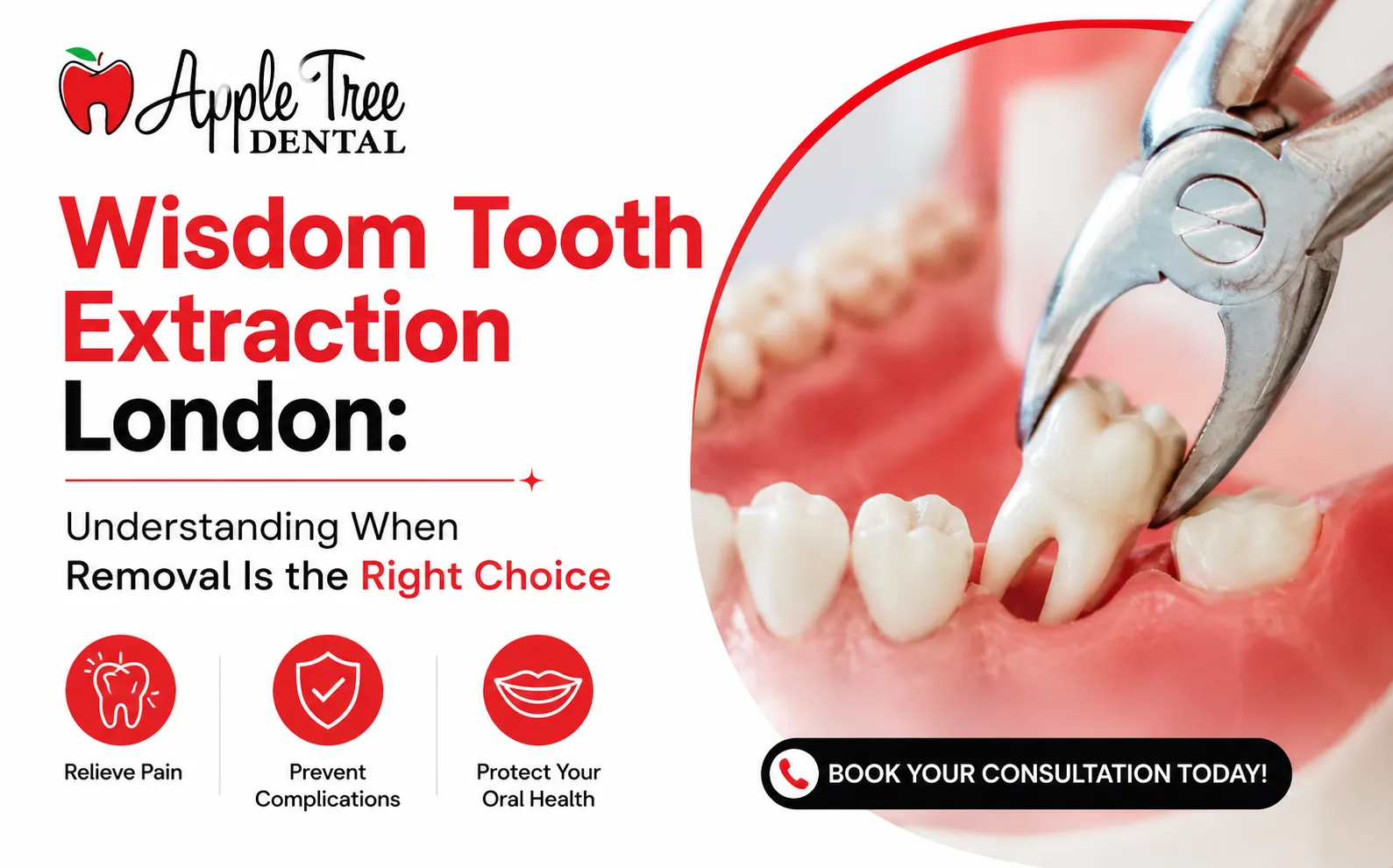

Wisdom teeth don't always need to be removed, but when they become impacted, infected, or begin affecting nearby teeth, early evaluation can prevent more serious dental problems. If you're researching wisdom tooth extraction London, it's important to understand why dentists recommend removal, what the procedure involves, and how recovery can be made as comfortable as possible.
Wisdom teeth, also known as third molars, usually erupt between the ages of 17 and 25. While some people experience no issues, many develop problems because there isn't enough room in the jaw for these teeth to emerge properly. Modern dental imaging and minimally invasive surgical techniques have made wisdom tooth removal safer and more predictable than ever before.
Why Wisdom Teeth Often Cause Problems
Wisdom teeth are the last permanent teeth to develop. By the time they begin erupting, most adult jaws have limited space available.
Common issues include:
- Impacted wisdom teeth
- Partially erupted teeth
- Gum infections
- Tooth decay
- Damage to neighboring molars
- Jaw discomfort
- Difficulty cleaning the back of the mouth
According to professional guidance from organizations like the Canadian Dental Association (CDA) and the American Association of Oral and Maxillofacial Surgeons (AAOMS), impacted wisdom teeth can increase the risk of infection, cyst formation, and damage to adjacent teeth if left untreated.
Signs You May Need Wisdom Tooth Removal
Not every wisdom tooth requires extraction. However, dentists commonly recommend evaluation when symptoms appear.
Persistent Pain
Pain at the back of the mouth may indicate pressure against nearby teeth or an impacted tooth beneath the gums.
Swollen or Bleeding Gums
Inflamed tissue around partially erupted wisdom teeth often traps food and bacteria, leading to infection known as pericoronitis.
Jaw Stiffness
Difficulty opening your mouth comfortably can result from inflammation around impacted molars.
Repeated Infections
Recurring gum infections near wisdom teeth rarely resolve permanently without addressing the underlying cause.
Crowding of Teeth
Although wisdom teeth are not always responsible for orthodontic relapse, limited space may contribute to pressure in some patients.
What Happens During a Wisdom Tooth Extraction?
Many patients are surprised by how organized and comfortable modern treatment has become.
The process generally includes:
Comprehensive Examination
Your dentist evaluates your oral health using digital X-rays or 3D imaging to determine the position of each wisdom tooth.
Personalized Treatment Planning
Treatment recommendations depend on:
- Tooth position
- Root development
- Age
- Overall health
- Symptoms
- Risk of complications
Local Anesthesia or Sedation
Depending on complexity, treatment may be completed under local anesthesia, conscious sedation, or another appropriate option.
Gentle Tooth Removal
The dentist carefully removes the tooth while preserving surrounding bone and healthy tissue whenever possible.
Patients seeking detailed information about wisdom tooth extraction London can review this comprehensive treatment resource before scheduling a consultation:
Recovery: What Most Patients Can Expect
Recovery varies depending on the number of teeth removed and whether the teeth were impacted.
Most patients experience:
- Mild swelling
- Temporary soreness
- Limited jaw movement
- Minor bleeding during the first several hours
These symptoms generally improve over the first few days.
Recovery Tips
Follow Post-Operative Instructions
Carefully following your dentist's recommendations significantly reduces complications.
Use Cold Compresses
Ice packs applied during the first 24 hours may help minimize swelling.
Choose Soft Foods
Examples include:
- Yogurt
- Soup
- Mashed potatoes
- Smoothies
- Scrambled eggs
Stay Hydrated
Drink plenty of water while avoiding straws during the initial healing period to reduce the risk of dry socket.
Maintain Gentle Oral Hygiene
Keeping the mouth clean supports healthy healing while avoiding unnecessary irritation around the surgical area.
When Should Wisdom Teeth Be Removed?
Timing depends on the individual patient.
Dentists may recommend early removal when:
- Teeth are impacted
- Cysts are developing
- Repeated infections occur
- Orthodontic treatment is planned
- Adjacent teeth show signs of damage
Early intervention often allows for easier surgery because root development may be incomplete and healing tends to occur more quickly in younger adults.
Are All Wisdom Teeth Removed?
No.
Some wisdom teeth:
- Erupt normally
- Function properly
- Can be cleaned effectively
- Do not damage surrounding structures
In these situations, regular monitoring may be all that's required.
A professional examination is the best way to determine whether removal is necessary.
Understanding Potential Risks
Like any surgical procedure, wisdom tooth extraction carries potential risks, although complications are relatively uncommon when performed by experienced dental professionals.
Possible risks include:
- Dry socket
- Temporary swelling
- Infection
- Bleeding
- Temporary numbness
- Delayed healing
Following post-operative instructions greatly reduces these risks.
Questions Patients Frequently Ask
Is Wisdom Tooth Removal Painful?
The procedure itself is performed under anesthesia or sedation, so patients generally feel pressure rather than pain.
How Long Does Recovery Take?
Many individuals return to work or school within two to three days, although complete healing continues over several weeks.
Will I Need All Four Teeth Removed?
Not necessarily.
Some patients require removal of one tooth, while others benefit from removing multiple wisdom teeth during a single appointment.
Choosing a Qualified Dental Provider
When considering treatment, patients should look for:
- Comprehensive examination
- Digital diagnostic imaging
- Clear explanation of treatment options
- Modern pain management techniques
- Personalized recovery guidance
Individuals researching third molar removal services in London, Ontario can benefit from educational resources that explain treatment planning, expected recovery, and long-term oral health considerations before making a decision.
(Partial-match anchor)
Protecting Your Long-Term Oral Health
Leaving problematic wisdom teeth untreated may contribute to:
- Tooth decay
- Gum disease
- Bone loss
- Damage to neighboring molars
- Recurrent infections
Regular dental examinations help identify concerns before they become more difficult to treat.
If you're exploring your options, educational information about professional wisdom teeth care and oral surgery guidance can help you better understand the benefits of timely evaluation and treatment.
(Branded/varied anchor)
Conclusion
Wisdom tooth extraction is one of the most common oral surgery procedures because it helps prevent complications that may affect neighboring teeth, gum health, and overall oral function. While not every wisdom tooth requires removal, early evaluation allows dentists to recommend treatment before pain or infection develops.
Advances in diagnostic imaging, minimally invasive techniques, and personalized recovery protocols have made modern wisdom tooth extraction more comfortable and predictable than many patients expect. Understanding your options and consulting an experienced dental team can help you make informed decisions that support lifelong oral health.
Author Bio
About the Author
Apple Tree Dental is a trusted dental practice serving London, Ontario, with a team of licensed dentists dedicated to preventive, restorative, and surgical dental care. The clinic emphasizes evidence-based treatment, patient education, and compassionate care supported by modern diagnostic technology. Learn more about Apple Tree Dental's wisdom tooth extraction services at https://appletreedental.ca/service/wisdom-teeth-extraction/, where patients can explore treatment options, recovery guidance, and personalized care plans for healthy, confident smiles.




























Sign in to leave a comment.