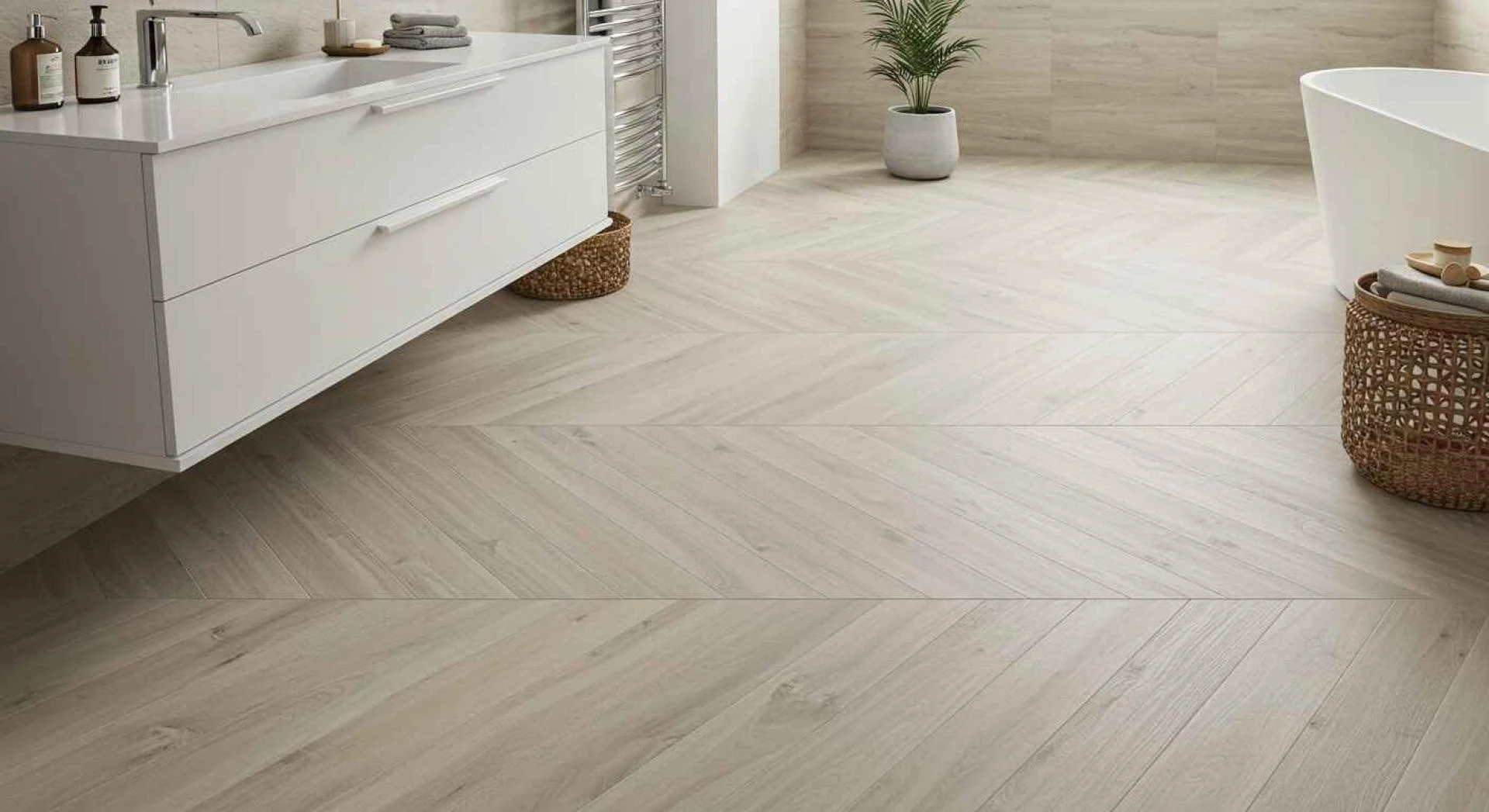

Are you dreaming of a warm, natural look for your bathroom but worried about real wood warping in the humidity? You're not alone. Many UK homeowners are caught between the timeless beauty of a wooden floor and the practical realities of a damp, high-traffic room. The good news is, you no longer have to choose. Wood effect bathroom floor tiles offer the best of both worlds: the stunning aesthetic of timber with the unmatched durability of porcelain or ceramic. Here’s everything you need to know to make the perfect choice for your next renovation.
Why UK Homeowners Are Falling in Love with Wood Effect Tiles
The appeal of wood effect tiles goes far beyond just looks. They address the core challenges of bathroom flooring in a way that traditional materials simply can't.
1. The Look of Luxury, The Feel of Home: The authentic grain, texture, and natural colour variations of wood effect tiles are almost indistinguishable from the real thing. From rustic oak to sleek walnut, you can achieve any desired look, from a cosy cottage feel to a modern, minimalist spa.
2. A Truly Waterproof Solution: Real wood expands and contracts with moisture, leading to warping and rot. Porcelain wood effect tiles, on the other hand, are impervious to water. This makes them the ultimate choice for wet areas like bathrooms, shower rooms, and en-suites, offering total peace of mind.
3. Low Maintenance, High Durability: Forget sanding, staining, and sealing. A quick mop is all it takes to keep these tiles looking pristine. They are incredibly resistant to scratches, stains, and scuffs, making them perfect for busy family bathrooms or en-suites with heavy foot traffic. The average UK household spends over £11.2 billion on home improvements annually
(source: hillarys), and investing in a durable solution like this protects your property's value.
4. The Perfect Partner for Underfloor Heating: If you're upgrading your bathroom, underfloor heating is a must for those chilly mornings. Porcelain and ceramic tiles are excellent thermal conductors, allowing heat to radiate efficiently and keeping your feet toasty. This is a significant advantage over real timber, which acts as an insulator.
Choosing Your Wood Effect Tiles: From Style to Substance
The world of wood effect porcelain tiles is vast. Here’s a breakdown of the key decisions to help you narrow down your perfect choice.
Wood Effect Bathroom Floor Trends: Finding Your Style
- Classic Plank Layout: This is the most common and simple layout, mimicking traditional wooden floorboards. It creates a seamless flow and works well in any size room.
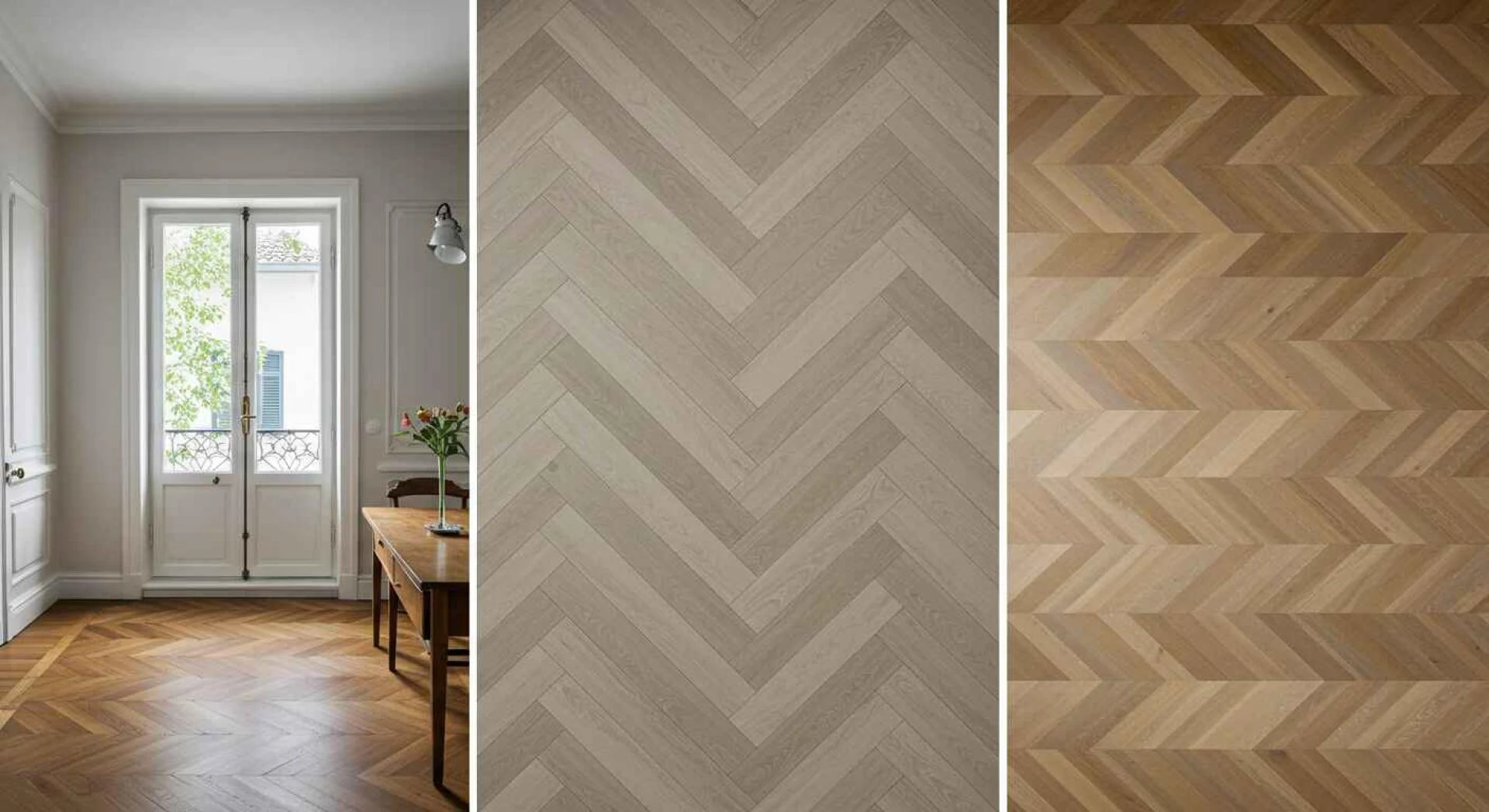
- The Rise of Herringbone: For a touch of classic elegance and visual interest, the herringbone tiles bathroom pattern is a huge trend right now. This V-shaped pattern adds a sense of movement and sophistication, making a statement in both small and large spaces.
- The Parquet Look: Similar to herringbone but with a more geometric, modular feel, parquet patterns create a structured and refined look, often associated with Parisian chic.
Choosing the Right Colour and Finish
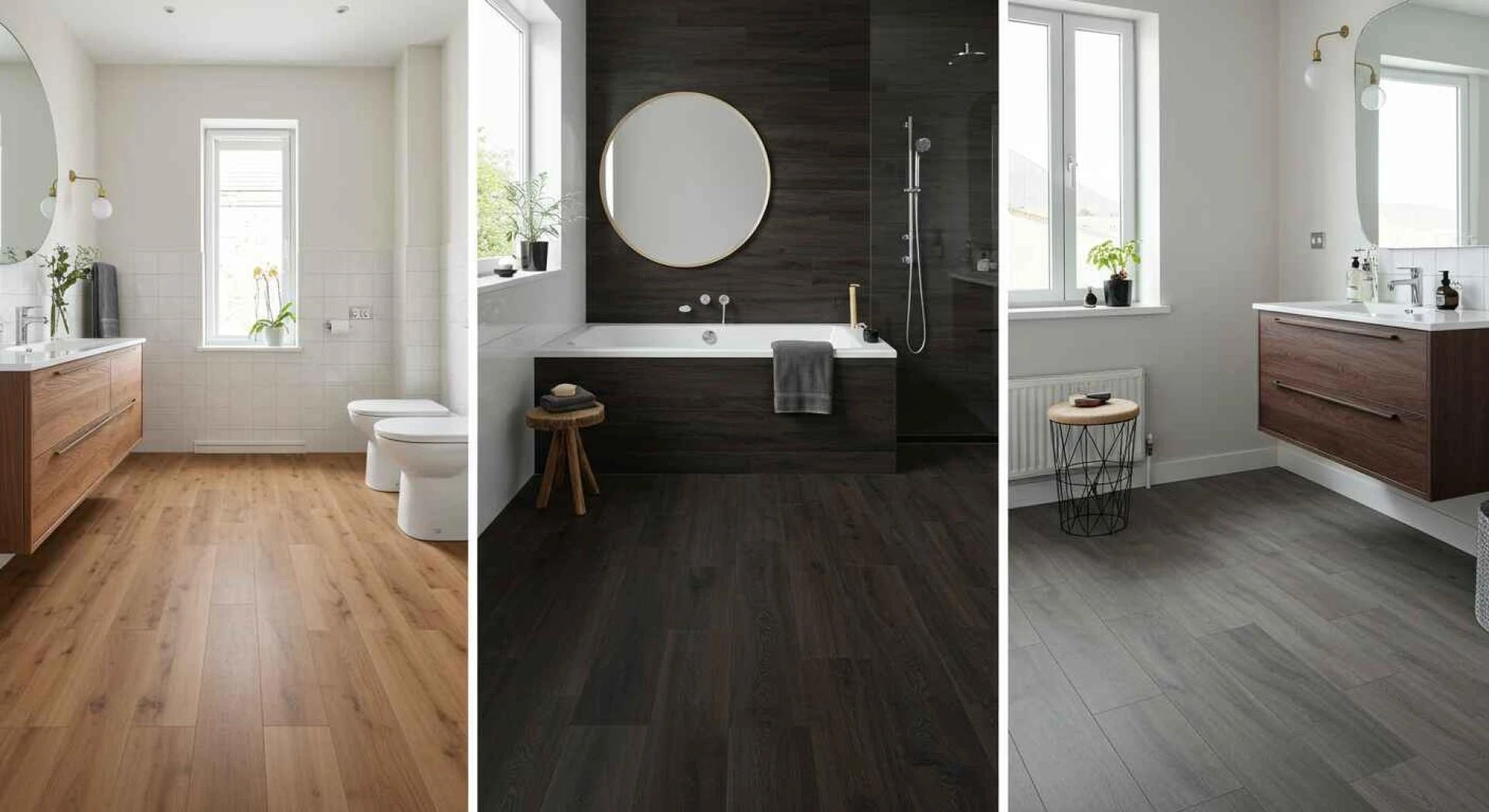
- Light Woods (Oak, Ash): These are fantastic for making smaller bathrooms feel bigger and brighter. They reflect light and create a fresh, airy atmosphere.
- Dark Woods (Walnut, Ebony): A bold choice for larger bathrooms, dark tones add a sense of drama and luxury. They can create a stunning contrast with white sanitaryware and chrome fittings.
- Grey Woods: A contemporary and versatile option that works with both minimalist and industrial-inspired designs. Grey wood effect tiles provide a neutral backdrop for any colour scheme.
Pro-Tip for Tradespeople: When advising clients, always factor in the room's lighting. A darker tile in a windowless bathroom can make the space feel smaller and requires more lighting fixtures to compensate.
The Installation Process: What to Expect
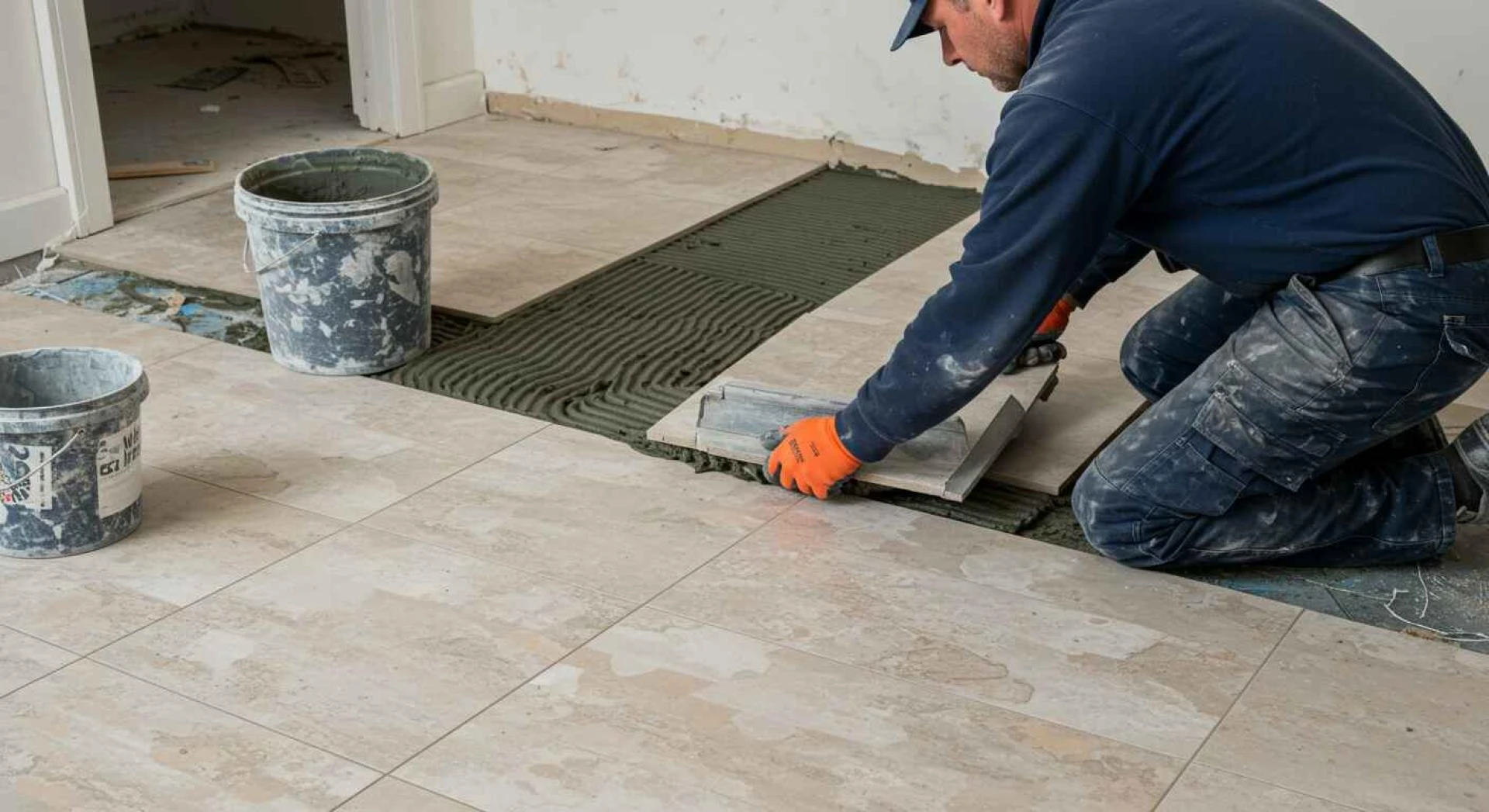
While the finished result looks effortless, proper installation is key to the longevity of your waterproof bathroom flooring.
1. Subfloor Preparation is Everything: The subfloor must be completely level, clean, and dry before installation begins. Any unevenness will lead to cracked tiles and a poor finish. Tradespeople should pay extra attention to ensuring the floor is primed and sealed correctly to prevent any moisture issues.
2. The Importance of Grout: Grout lines can make or break the final look. For a seamless, realistic finish, choose a grout colour that closely matches your tile. Alternatively, use a contrasting colour like charcoal to make a pattern, such as herringbone, truly stand out. This is where your design vision comes to life.
3. Getting the Right Adhesive: Use a flexible, waterproof tile adhesive suitable for bathrooms. This is especially crucial if you have underfloor heating, as it needs to withstand temperature fluctuations without cracking.
Conclusion: Your Dream Bathroom Awaits
Choosing wood effect floor tiles for a bathroom is one of the smartest decisions you can make for your home. You gain the stunning aesthetic of a real wood floor without any of the maintenance headaches or moisture risks. It's a durable, stylish, and practical investment that will stand the test of time and add significant value to your property.
Ready to start your project?
Explore our stunning collection of wood effect floor tiles online or visit our tile showrooms to see and feel the quality for yourself.
Frequently Asked Questions:
What's the difference between wood effect ceramic and porcelain tiles?
Both are fantastic options. Porcelain is denser and less porous than ceramic, making it slightly more durable and ideal for high-traffic areas. Both are waterproof and suitable for bathrooms. Porcelain is often a better choice for commercial or heavy-use areas, while ceramic is a great, affordable option for residential projects.
Will the tiles be slippery when wet?
Many wood effect floor tiles come with a textured, anti-slip finish. Look for a rating like R10 or R11, which indicates a high level of slip resistance. All reputable UK suppliers, including Royalestones, will list this information on the product page.
Can I install wood effect tiles over existing flooring?
It's generally not recommended. For the best, most durable finish, it's essential to remove the old flooring and prepare the subfloor correctly. This is the only way to guarantee a long-lasting, professional result.
How do I clean and maintain my new floor?
The simplicity of cleaning is a key benefit! A regular sweep or vacuum and a wipe with a damp mop and mild, pH-neutral cleaner is all that's required. Avoid harsh chemicals or abrasive sponges, which can damage the grout.
Continue Reading:
Still choosing? See how to choose Indoor tiles.
Need the right flooring? Check the ultimate guide to porcelain floor tiles.
























Sign in to leave a comment.