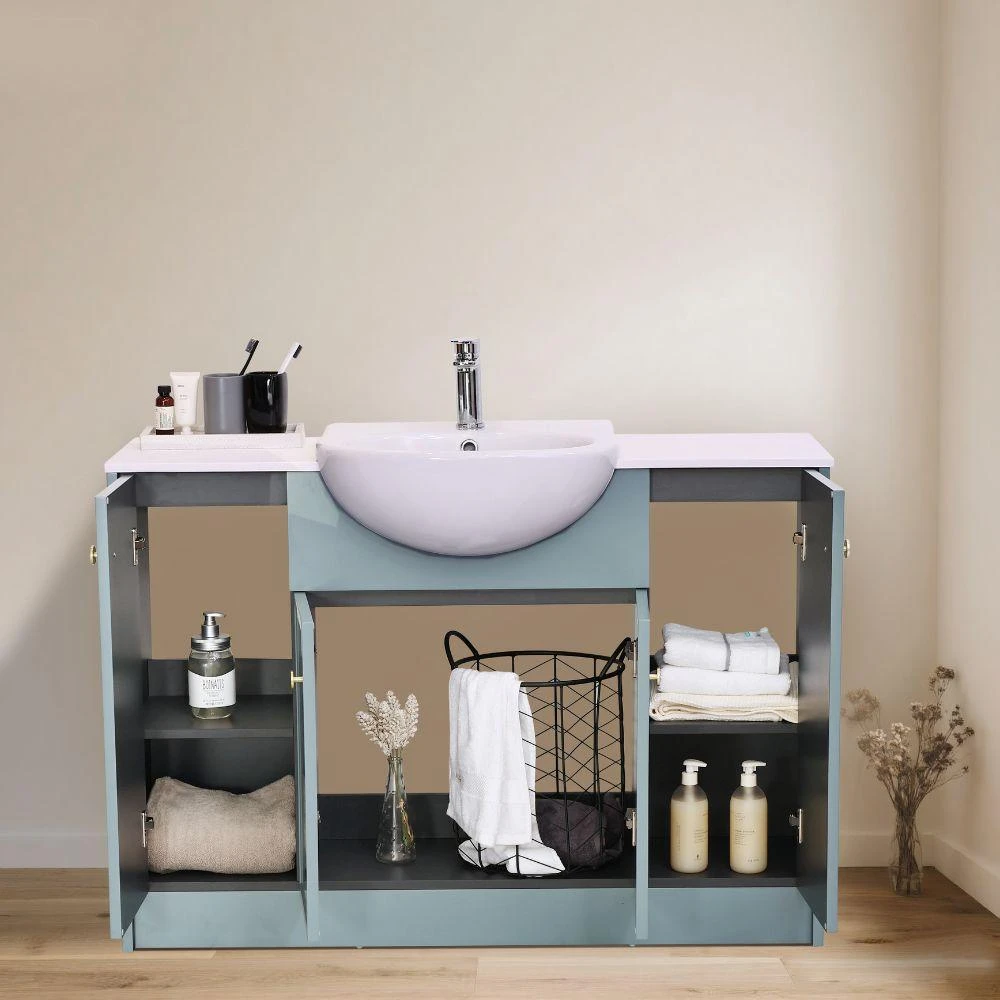

When space is at a premium in a UK bathroom, choosing the right freestanding vanity unit can make all the difference. In my 10+ years of hands‑on tiling and bathroom renovation experience across the UK, I’ve seen homeowners transform cramped bathrooms into stylish, functional spaces largely thanks to intelligent furniture choices.
This detailed guide shares 5 inspiring freestanding vanity unit ideas that work beautifully in tight layouts, alongside actionable design, installation and maintenance tips homeowners actually care about.
Why Choose a Freestanding Vanity Unit in Small Bathrooms
A freestanding vanity unit provides clarity of design and practical storage without boxing you into fixed layouts. Unlike built‑in furniture, these units can be moved or replaced more easily, adapting as your style evolves. Freestanding units also help visually open rooms especially when paired with the right tiles and lighting.
Small bathrooms are a common feature in UK homes, from compact terraced houses to new build apartments. With smart planning and the right choices, a freestanding vanity can create the sense of space you’re after.
What Makes a Great Freestanding Vanity Unit in Small Bathrooms
Before we dive into the inspiring ideas, here’s what to prioritise:
Practical Dimensions
Measure carefully before you buy. Small bathrooms often require vanity units with reduced depth but effective storage. Consider the overall flow and leave at least 60 centimetres of space in front of the unit for movement and cleaning ease.
Moisture Resistance
Bathrooms are damp environments. Choose units built from moisture‑resistant materials or those sealed to withstand humidity and daily use.
Storage Solutions
Even compact units can be designed with clever internal organisers and drawers so that toiletries, towels and cleaning supplies stay out of sight yet accessible.
Style That Fits the Room
Colours, finishes and hardware should work with your tiles and fixtures. Light tones can make rooms feel larger, while wood textures add warmth without overwhelming the space.

Idea 1: Slimline Minimalist Freestanding Vanity
In small spaces every centimetre counts. A slimline minimalist unit thin but deep enough for storage works wonders in compact bathrooms. These units often have simple handle free drawers that keep the look clean and uncluttered.
How to maximise impact:
• Match the unit colour with the wall tiles for visual continuity
• Pair with a simple backlit mirror to enhance perception of space
• Use integrated storage trays in drawers for toiletries and towels
This style works particularly well in modern UK homes where minimalism and openness are key design drivers.
Idea 2: Floating Style Freestanding Vanity
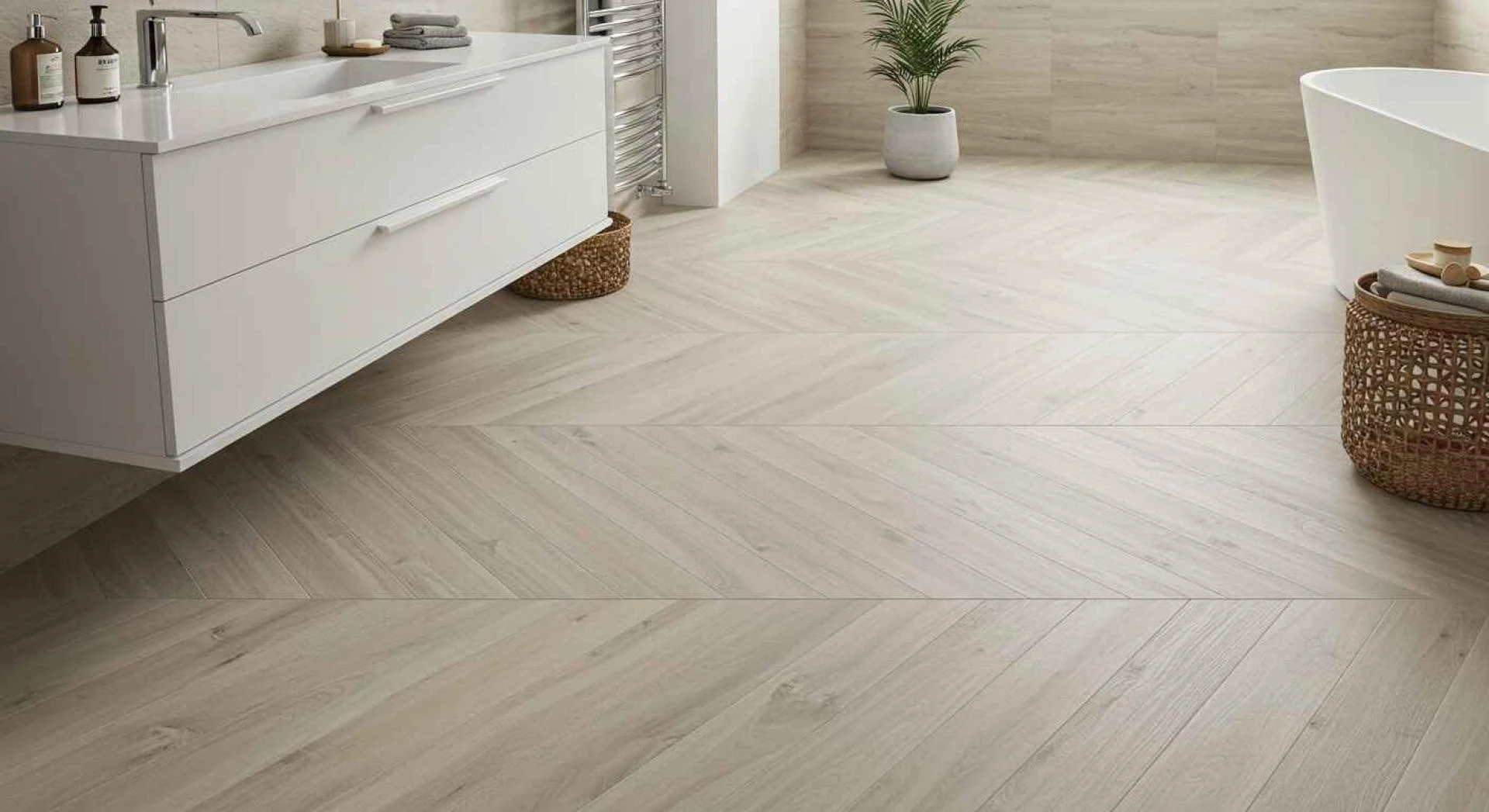
A clever twist on traditional freestanding design is a unit that sits just off the floor or appears to float. The gap under the unit allows your floor tiles to run right through, which visually extends the floor and makes a small space feel larger.
Tips for installation:
• Ensure the wall behind is reinforced for safe fixing
• Coordinate grout colour between floor and wall tiles to enhance continuity
• Keep plumbing accessible for future maintenance
Using this approach in narrow bathrooms can create a sense of airiness that built‑in cabinetry rarely achieves.
Idea 3: Compact Double Vanity for Shared Small Bathrooms
You might assume double vanity units are only for large bathrooms. But with compact design and careful width planning, you can have two basins in tight spaces without sacrificing comfort.
This works especially well in family homes where shared bathrooms need a blend of storage and accessibility. Imagine two narrow basins side by side with drawers beneath for personal storage.
Design advice:
• Keep both basins at a comfortable height
• Use matching mirrors to balance symmetry
• Choose light finishes to prevent the unit from visually dominating
This style supports shared living spaces and modern family lifestyles.
Idea 4: Light Wood Scandinavian Inspired Vanity
Warm wood finishes are very effective in small bathrooms because they bring warmth and texture without creating visual bulk. Scandinavian inspired units with tapered legs and light wood tones add personality while maintaining a spacious feel.
Why it works:
• Reflects natural light, especially in North facing UK bathrooms
• Complements soft pastel tiles and matte finishes beautifully
• Offers a timeless aesthetic that pairs well with classic or contemporary themes
Pair this style with simple brass or matte black taps for a high end designer look.
Idea 5: Bold Statement Vanity with Contrast
If you want a small bathroom to feel stylish and considered rather than cramped, a bold contrasting vanity unit can help. Think a darker unit against light tiles or a feature basin with an eye catching texture.
This approach puts the vanity unit front and centre as a design feature ideal for spaces where you want personality without sacrificing practicality.
Design pointers:
• Keep surrounding decor simple to avoid visual overload
• Use integrated lighting beneath the mirror to highlight textures
• Choose matte or soft finishes to avoid reflections that shrink the space
This works well in UK bathrooms where personal style matters as much as utility.
Storage Solutions That Work in Small Bathrooms
Regardless of design style, storage is the number one functional requirement in a small bathroom. Freestanding vanity units can offer:
• Deep drawers with internal organisers
• Modular shelving attachments
• Hidden compartments for cleaning and toiletries
Keeping surfaces clear not only helps functionality but also makes bathrooms feel cleaner and more spacious a key factor in perceived quality. Poor storage often makes even well designed bathrooms feel cluttered and less relaxing.
Installation and Maintenance Tips
Installing a freestanding vanity correctly ensures it lasts and functions well:
• Level and secure the unit: Uneven floors are common in older UK homes, so check levels before fixing.
• Ensure good ventilation: Moisture buildup shortens furniture life. Install an extractor if possible.
• Check plumbing access: Freestanding units can simplify future plumbing work compared to concealed cabinetry.
• Clean gently: Use soft cloths and mild cleaners to protect finishes especially wood and laminate.
Final Thoughts
A well chosen vanity can be the cornerstone of a stylish, practical small bathroom. Whether you prefer minimalist Scandinavian lines, bold contrasts, or smart storage solutions, the ideas above are grounded in real UK renovation experience and design principles that work in everyday life.
Small spaces present challenges, but with thoughtful choices you can transform even the tiniest bathroom into a stylish sanctuary that feels bigger, brighter and beautifully functional.
Frequently Asked Questions
What size freestanding vanity unit fits a small bathroom best?
Aim for a width that allows a clear walkway of at least 60 centimetres once installed. Slim depths under 450 millimetres are often ideal.
Can a freestanding vanity make a small bathroom look bigger?
Yes. Units that sit off the floor or match the wall and tile colours help visually expand space.
Are wooden vanities suitable for UK bathrooms?
Moisture resistant and properly sealed wooden units perform well, but ensure adequate ventilation to prolong lifespan.
Should I choose drawers or cupboards?
Drawers offer better access and organisation, especially for smaller items you use daily.
Is professional installation necessary?
For plumbing and ensuring correct leveling, professional help is recommended particularly in compact bathrooms where precision matters.






















Sign in to leave a comment.