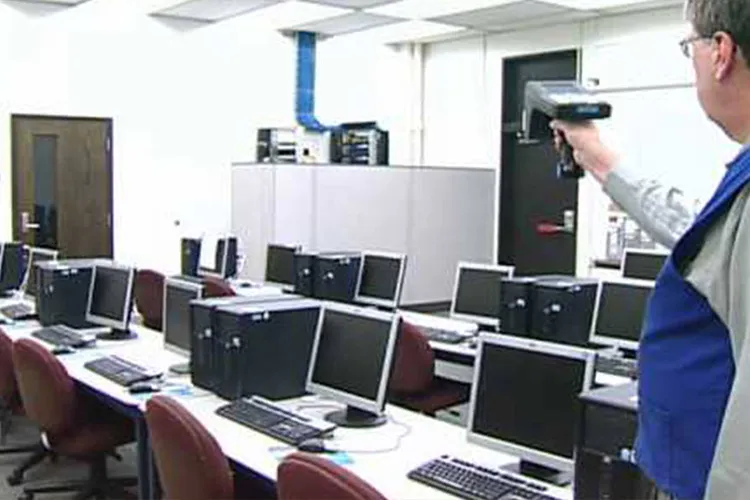

Managing employees efficiently is one of the biggest challenges businesses face today. From scheduling shifts and tracking attendance to monitoring productivity and ensuring compliance, workforce management requires accurate planning and reliable technology. A Workforce Management System simplifies these tasks by automating workforce processes, helping businesses improve efficiency while reducing administrative workload.
Whether you operate a small business or a large enterprise, implementing a workforce management system can transform how your team works and how your business performs.
What Is a Workforce Management System?
A Workforce Management System (WFM) is software designed to help businesses plan, monitor, and optimize employee activities. It combines several workforce-related functions into one centralized platform, allowing managers to schedule staff, track working hours, manage attendance, forecast labor requirements, and generate valuable performance reports.
Modern workforce management solutions often integrate with payroll systems, HR software, and project management tools to create a seamless workflow across departments.
Why Businesses Need a Workforce Management System
Managing employees manually can lead to scheduling conflicts, payroll errors, overtime costs, and poor resource allocation. As organizations grow, these challenges become increasingly difficult to manage.
A workforce management system helps businesses streamline daily operations by providing accurate workforce data in real time. Managers can make informed decisions based on employee availability, workload, and business demands, leading to better productivity and improved customer service.
By reducing manual processes, businesses can focus more on strategic growth rather than administrative tasks.
Key Features of a Workforce Management System
A modern workforce management platform offers a wide range of features that simplify employee management.
Employee Scheduling
Creating work schedules manually often consumes valuable time. Workforce management software automatically generates optimized schedules based on employee availability, skills, labor laws, and business requirements.
This reduces scheduling conflicts while ensuring every shift has the appropriate staffing levels.
Time and Attendance Tracking
Accurate attendance records are essential for payroll processing and workforce planning. Employees can clock in and out using mobile devices, biometric systems, RFID cards, or web portals, reducing time theft and attendance discrepancies.
Managers gain real-time visibility into employee attendance and working hours.
Leave and Absence Management
Employees can submit leave requests digitally, while managers can approve or reject requests within the system. This simplifies leave management and helps maintain adequate staffing levels throughout the year.
Automated notifications also reduce communication delays.
Performance Monitoring
A workforce management system provides insights into employee productivity through dashboards and reports. Managers can identify high-performing employees, monitor project progress, and recognize areas requiring additional support or training.
Payroll Integration
Many workforce management systems integrate directly with payroll software, ensuring working hours, overtime, holidays, and leave are accurately calculated.
This reduces payroll errors while saving administrative time.
Benefits of Implementing a Workforce Management System
Increased Productivity
Automating workforce tasks eliminates repetitive administrative work, allowing managers to focus on improving business performance. Employees also benefit from clearer schedules and better communication.
Better Employee Experience
Workers appreciate having easy access to schedules, attendance records, leave balances, and shift updates through mobile applications or employee portals.
This transparency improves employee engagement and job satisfaction.
Reduced Labor Costs
Workforce management systems help optimize staffing levels, preventing unnecessary overtime while ensuring enough employees are available during busy periods.
Improved scheduling directly contributes to cost savings.
Improved Compliance
Labour regulations regarding working hours, breaks, overtime, and employee records continue to evolve. Workforce management software helps businesses comply with employment laws by maintaining accurate records and generating compliance reports.
Data-Driven Decision Making
Business leaders gain access to detailed workforce analytics that highlight productivity trends, absenteeism rates, labour costs, and staffing requirements.
These insights support better planning and long-term business growth.
Industries That Benefit from Workforce Management Systems
A workforce management system is valuable across many industries.
Retail businesses use it to schedule employees during peak shopping hours.
Healthcare providers manage nurses, doctors, and support staff across multiple shifts.
Manufacturing companies monitor production teams while minimizing downtime.
Construction companies coordinate workers across various project sites.
Hospitality businesses manage hotels, restaurants, and event staff efficiently.
Logistics and transportation companies track mobile workforces while improving operational efficiency.
Regardless of industry, workforce management software provides better visibility and control over employee operations.
Cloud-Based Workforce Management Solutions
Cloud technology has made workforce management more accessible than ever. Cloud-based platforms allow managers and employees to access workforce information from anywhere using computers, tablets, or smartphones.
Remote accessibility is particularly beneficial for businesses operating across multiple locations or supporting hybrid work environments.
Cloud solutions also provide automatic software updates, improved security, and reduced IT maintenance costs.
Choosing the Right Workforce Management System
Selecting the right workforce management platform depends on your organization's size, industry, and operational requirements.
Consider the following when evaluating solutions:
- Easy-to-use interface
- Mobile accessibility
- Scheduling automation
- Attendance tracking
- Payroll integration
- Reporting and analytics
- Data security
- Scalability
- Customer support
- Integration with existing business systems
Choosing software that grows with your business ensures long-term value and operational flexibility.
Future of Workforce Management
Artificial intelligence, machine learning, predictive analytics, and automation are shaping the future of workforce management. Modern systems can forecast staffing needs, predict absenteeism, optimize schedules automatically, and provide personalized workforce recommendations.
As businesses continue adopting digital transformation strategies, workforce management systems will become even more intelligent, helping organizations improve efficiency while enhancing employee satisfaction.
Conclusion
A Workforce Management System is an essential solution for businesses seeking greater operational efficiency, improved employee productivity, and smarter workforce planning. By automating scheduling, attendance tracking, payroll integration, performance monitoring, and compliance management, organizations can reduce costs while delivering a better experience for both employees and managers.
Whether your business operates in retail, healthcare, manufacturing, hospitality, logistics, or professional services, investing in the right workforce management system provides the tools needed to streamline operations, support sustainable growth, and remain competitive in today's fast-changing business environment.
























Sign in to leave a comment.