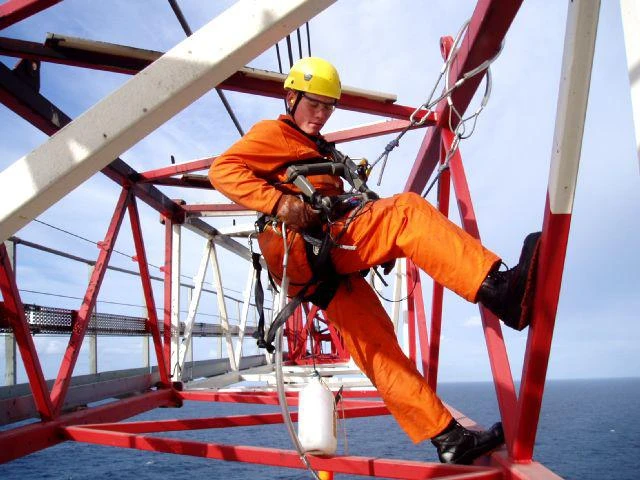

Working at heights training is essential for anyone working in industries where there’s a risk of falling from an elevated surface. Whether it's construction, maintenance, or window cleaning, proper training is not only a legal requirement but also a life-saving necessity. This blog will explore the importance, content, benefits, and certification process of working at heights training and help you understand why this course is critical for personal and workplace safety.
What is Working at Heights Training?
Working at heights training is a mandatory safety course designed to educate individuals about the risks, responsibilities, and protective measures associated with working at elevated locations. It focuses on identifying hazards, using fall protection equipment properly, and understanding regulatory requirements. This training is often required by employers and regulatory bodies before an individual can legally work at heights.
Who Needs Working at Heights Training?
Any individual whose job involves working above ground level, especially in the following fields, should undergo working at heights training:
- Construction workers
- Roofers
- Scaffolders
- Wind turbine technicians
- Tower climbers
- Window cleaners
- Telecom workers
- Maintenance personnel
In short, if your job involves working at heights where a fall could result in injury, this training is a must.
Legal Requirements and Regulations
Most regions have strict occupational health and safety (OHS) regulations that mandate working at heights training. For example, in Ontario, Canada, the Ministry of Labour requires all workers on construction projects to complete a Working at Heights (WAH) training program approved by the Chief Prevention Officer.
Employers must ensure their workers are certified and maintain valid training documentation. Failing to comply can result in hefty fines and serious legal implications.
What You’ll Learn in Working at Heights Training
A comprehensive working at heights training course covers both theory and practical components, including:
- Hazard Recognition: How to identify fall hazards in the workplace
- Fall Protection Systems: Understanding guardrails, safety nets, harnesses, lanyards, and anchor points
- Proper Equipment Usage: Inspecting, fitting, and wearing PPE (Personal Protective Equipment)
- Emergency Procedures: What to do in case of a fall or near-miss incident
- Legislation and Compliance: An overview of OHS standards and employer/worker responsibilities
- Safe Work Practices: Ladder safety, scaffold safety, and platform safety
Duration and Certification Validity
Typically, the working at heights training course takes 6 to 8 hours to complete and includes both a written test and hands-on practical assessment. Once completed, participants receive a certificate valid for 3 years, after which refresher training is necessary.
Benefits of Working at Heights Training
✅ Increased Workplace Safety
Trained workers are more likely to identify and mitigate fall hazards, reducing the risk of accidents.
✅ Legal Compliance
Staying compliant with safety regulations protects companies from fines, legal action, and shutdowns.
✅ Employee Confidence
Knowing how to safely use fall protection equipment gives workers peace of mind and increases productivity.
✅ Enhanced Reputation
Companies that prioritize safety attract top talent and gain trust from clients and stakeholders.
✅ Reduced Insurance Premiums
Fewer workplace incidents can lead to lower worker’s compensation and insurance costs.
In-Person vs Online Working at Heights Training
With technology advancing, many providers now offer hybrid models. However, it’s important to ensure that any course—especially one involving practical skills—meets regulatory standards and includes hands-on practice when needed.
In-Person Training: Ideal for beginners and required for certain jurisdictions.
Online Training: Useful for theory refreshers or those with previous certification, depending on local laws.
How to Choose the Right Working at Heights Training Provider
When selecting a training provider, consider:
- Accreditation: Ensure they’re certified by your local authority (e.g., Ministry of Labour).
- Experienced Trainers: Instructors with real-world experience add immense value.
- Practical Learning: Look for a course with hands-on equipment training.
- Positive Reviews: Check testimonials and ratings.
- Support Services: Ensure they offer certification, documentation, and support after course completion.
Common Myths About Working at Heights Training
Myth 1: It’s only for construction workers.
Reality: Anyone working above ground level needs training.
Myth 2: A harness is enough protection.
Reality: Without proper training, even the best equipment won’t prevent accidents.
Myth 3: Online courses are always sufficient.
Reality: Practical skills must often be tested in person to meet legal requirements.
Refresher Courses: When and Why?
Refresher training ensures workers stay updated on the latest safety protocols and remain certified. Most jurisdictions require a refresher course every 3 years, but high-risk roles may demand more frequent updates.
Conclusion
Working at heights training is not just a mandatory requirement—it’s a critical investment in the safety, legality, and efficiency of your workplace. With certified training, workers gain the confidence and knowledge they need to work safely in elevated environments. Whether you’re an employer looking to train your team or a worker needing certification, don’t delay.
Contact us today!





























Sign in to leave a comment.