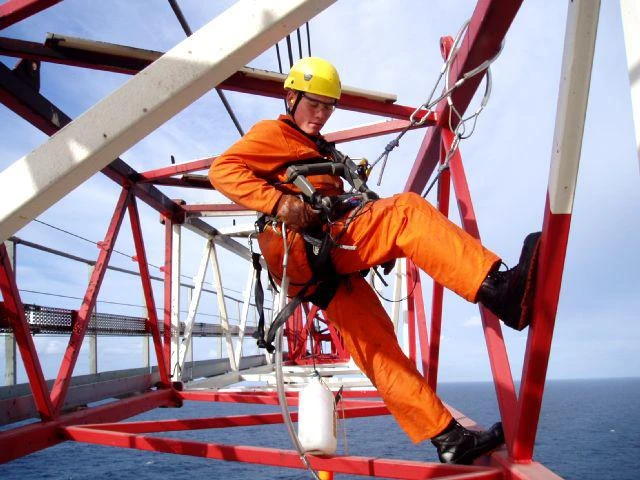

Working at heights course is the first step towards ensuring safety and compliance in high-risk job environments. Whether you're a construction worker, roofer, maintenance technician, or window cleaner, any job that requires elevation brings with it serious hazards. Completing a certified working at heights course equips workers with the skills, knowledge, and confidence to manage these risks effectively.
In this comprehensive guide, we'll walk you through everything you need to know about working at heights courses—why they're essential, what you’ll learn, who needs them, and how to choose the best one.
Why a Working at Heights Course is Important
Falls from heights are one of the leading causes of workplace injuries and fatalities globally. In many regions, including Canada, Australia, and the UK, safety authorities require workers to be properly trained before performing tasks at heights.
A certified working at heights course helps to:
- Reduce the risk of workplace accidents
- Ensure compliance with local laws and safety regulations
- Protect workers and employers from liability
- Build a culture of safety and awareness
Training doesn't just benefit the worker—it protects the company as a whole.
Who Needs a Working at Heights Course?
If your job involves working on ladders, scaffolding, rooftops, towers, or any elevated surface where there’s a risk of falling, you are likely required by law or regulation to complete a working at heights training.
Typical roles that require this course include:
- Construction workers
- Roofing contractors
- Scaffolders
- HVAC technicians
- Telecom tower workers
- Window washers
- Maintenance professionals
Employers must also ensure that any temporary workers or subcontractors on-site are properly trained.
What Does the Working at Heights Course Cover?
A comprehensive working at heights course typically includes both theoretical and practical components. The course content ensures that workers understand the risks and know how to mitigate them effectively.
Here’s what you can expect to learn:
1. Legal and Regulatory Requirements
Understand the regulations in your jurisdiction that govern working at heights, such as OSHA, CSA, or WHS codes.
2. Hazard Identification
Learn how to recognize hazards such as:
- Unstable surfaces
- Poor weather conditions
- Unprotected edges
- Equipment malfunctions
3. Fall Prevention Systems
Understand the use of:
- Guardrails
- Safety nets
- Fall restraint and fall arrest systems
- Personal protective equipment (PPE)
4. Safe Work Procedures
Learn the importance of:
- Risk assessments
- Emergency procedures
- Proper ladder use
- Spot checks before working
5. Hands-on Practice
Practical exercises may include:
- Wearing and adjusting a safety harness
- Anchoring properly
- Using fall arrest systems
- Responding to emergency situations
By the end of the training, participants will be tested on their understanding and awarded a certificate of completion, which may be valid for a certain period (e.g., 3 years).
Choosing the Right Working at Heights Course
Not all training providers are created equal. Here’s what to look for in a quality course:
✅ Government-approved or accredited
Ensure the course is recognized by local safety authorities.
✅ Experienced instructors
Look for providers who use certified trainers with real-world experience.
✅ Hands-on training
Choose a program that includes practical exercises in addition to theory.
✅ Flexibility (online + in-person)
Many providers now offer blended models to suit different learning needs.
✅ Certificate validity and renewal
Check how long the certificate is valid and whether the provider offers refresher training.
Benefits of Taking a Working at Heights Course
✅ Increased Job Opportunities
Many employers prefer or require certified workers. A recognized certificate boosts your resume and employability.
✅ Improved Workplace Safety
Trained workers are less likely to make critical errors, reducing accident rates on job sites.
✅ Legal Compliance
Avoid heavy fines and liabilities by ensuring all your workers meet legal training standards.
✅ Peace of Mind
Knowing how to properly assess risks and use safety gear gives workers the confidence they need to perform their duties.
Online vs In-Person Working at Heights Courses
Online Courses:
- Ideal for theory modules
- Self-paced
- Accessible from anywhere
- Often more affordable
In-Person Courses:
- Ideal for hands-on training
- Supervised practice with real equipment
- Peer learning opportunities
- Required for certification in some regions
Blended courses combine the best of both worlds, offering flexibility and practical skill-building.
Frequently Asked Questions
❓Is the working at heights course mandatory?
Yes, in most jurisdictions, this training is mandatory for any worker exposed to fall risks.
❓How long is the course?
Typically, the course takes 4 to 8 hours to complete, depending on the provider and course structure.
❓How long is the certificate valid?
The validity usually ranges from 3 to 5 years, after which a refresher course is required.
❓Can I take the working at heights course online?
Yes, many training providers offer online modules for theory, though hands-on components may still require in-person attendance.
Final Thoughts
Working at heights course is more than just a legal requirement—it's a life-saving program that empowers workers with the tools, awareness, and confidence to perform high-risk tasks safely. Whether you’re a beginner or looking for a refresher course, investing in certified training is the smartest step toward a secure and compliant work environment.
Contact us today! Let us help you or your team stay safe, compliant, and confidently equipped to work at heights.





























Sign in to leave a comment.