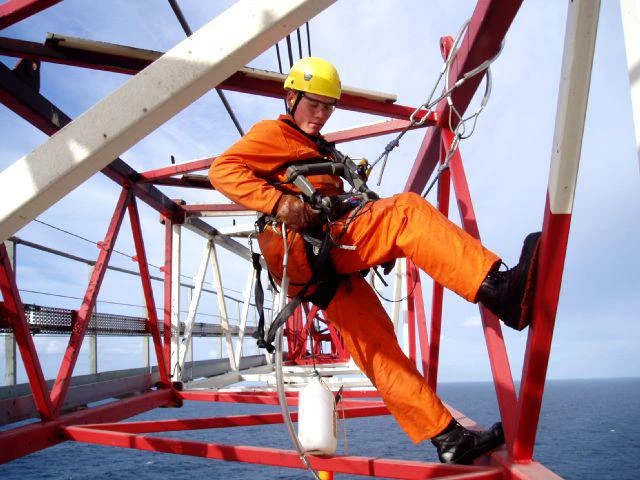

Working at heights certificate is a mandatory credential for anyone working in environments where there’s a risk of falling from an elevated position. Whether you're a construction worker, roofer, scaffold erector, or window cleaner, obtaining this certification is not just a formality—it’s a vital step toward ensuring your safety and the safety of your coworkers.
What Is a Working at Heights Certificate?
A working at heights certificate is an official recognition that an individual has completed a certified training program focused on the safe execution of tasks conducted at height. This training prepares workers to identify, avoid, and manage fall hazards commonly found in construction, maintenance, and industrial sectors.
In many regions, including Ontario and other parts of Canada, this certification is a legal requirement for employees and subcontractors working at heights above a certain level—typically 3 meters or higher.
Why You Need a Working at Heights Certificate
There are multiple reasons why every elevated worksite worker should be certified:
- Legal Compliance: Regulatory bodies such as the Ministry of Labour (Ontario) mandate working at heights training for construction workers. Failure to comply can lead to steep fines or legal action.
- Risk Mitigation: Falls from height are among the leading causes of workplace injuries and fatalities. Certification teaches risk assessment, hazard control, and use of protective equipment.
- Increased Employability: Employers favor certified workers because they reduce liability and enhance jobsite safety. Holding a working at heights certificate gives you a competitive edge.
- Worksite Access: Many construction sites or employers won’t allow workers on-site without valid proof of certification.
What Does Working at Heights Training Cover?
The course content is designed to meet provincial or federal safety standards and includes both theoretical and practical components. Topics typically include:
- Fall prevention strategies
- Proper use of personal protective equipment (PPE)
- Ladders, scaffolds, and elevated work platforms
- Harness fitting and inspection
- Emergency rescue planning
- Risk assessment and hazard identification
Once training is completed, a written and/or practical exam is administered to confirm comprehension and competence.
Who Should Take the Training?
The working at heights certificate is designed for anyone who works at an elevation where there's a risk of falling. Common job roles include:
- Construction laborers
- Roofers
- Steelworkers
- Scaffold installers
- Tower technicians
- Window cleaners
- Maintenance personnel
Whether you are a new hire or an experienced professional, regular certification (and recertification) is often mandatory.
Validity and Renewal of the Certificate
In Ontario, for example, a working at heights certificate is valid for 3 years. Workers must complete refresher training before the certificate expires to stay compliant. The refresher is generally shorter but still emphasizes current safety standards and practices.
Make sure to check the exact requirements and renewal policies of your specific province, territory, or country.
How to Get a Working at Heights Certificate?
Here’s a step-by-step guide on how to obtain your certification:
- Find an Approved Provider: Choose a training center or online provider that is accredited by your region’s safety authority (like the CPO in Ontario).
- Enroll in the Course: Select your schedule and register. Some providers offer in-person, hybrid, or fully online models.
- Attend the Training: Complete all modules including hands-on practice.
- Pass the Exam: Demonstrate your knowledge through a written and/or practical assessment.
- Receive the Certificate: Upon successful completion, you’ll receive a certificate valid for 3 years.
Benefits of a Recognized Training Provider
When selecting where to get your working at heights certificate, it’s crucial to opt for a recognized and reputable training institution. Why?
- Accurate Compliance: Certified institutions follow the most recent legal guidelines.
- Hands-on Experience: Reputable providers include real-world scenarios and simulations.
- Record Keeping: They often keep your certification records on file in case of audits or lost documents.
Online vs. In-Person Training: Which Is Better?
Online training is becoming more popular due to flexibility and convenience, but not all jurisdictions accept fully online courses for working at heights training. In-person or hybrid options often provide hands-on practice that is critical for safety and muscle memory.
Always verify with your local regulatory body before choosing a course format.
Common Myths About Working at Heights Certificate
- “It’s Only for Construction Workers”
- Wrong—many jobs involve working at heights, from cleaning services to warehousing.
- “Once Certified, I’m Set for Life”
- False—certification must be renewed, usually every 3 years.
- “Any Training Will Do”
- Not true—you must attend a government-approved training program for the certificate to be valid.
Tips for Success in Your Training
- Arrive early and well-rested for in-person classes
- Wear comfortable clothing and steel-toe boots if required
- Ask questions—clarity can prevent future accidents
- Take notes for review before the final test
- Practice proper harness fitting and fall arrest setups during the practical portion
Conclusion
Working at heights certificate is more than just a compliance requirement—it’s a life-saving credential that demonstrates your commitment to safety and professionalism. Whether you're entering the workforce, changing careers, or upskilling, investing in this training ensures that you can confidently and safely perform your job.
Contact us today! Let us help you enroll in a certified working at heights training program that aligns with the latest safety regulations and ensures you're prepared for the job.





























Sign in to leave a comment.