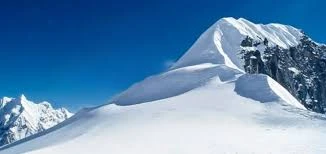

Yala Peak Climbing is one of the most exciting and accessible climbing experiences in Nepal. Standing at 5,520 meters (18,110 feet), Yala Peak offers a perfect introduction to mountaineering in the Himalayas. It’s not as high or technical as some of the other Himalayan peaks, making it ideal for trekkers who want to experience climbing in the mountains without the extreme difficulty of higher peaks. If you’re looking for a thrilling adventure with stunning views, Yala Peak is a fantastic choice.
What is Yala Peak?
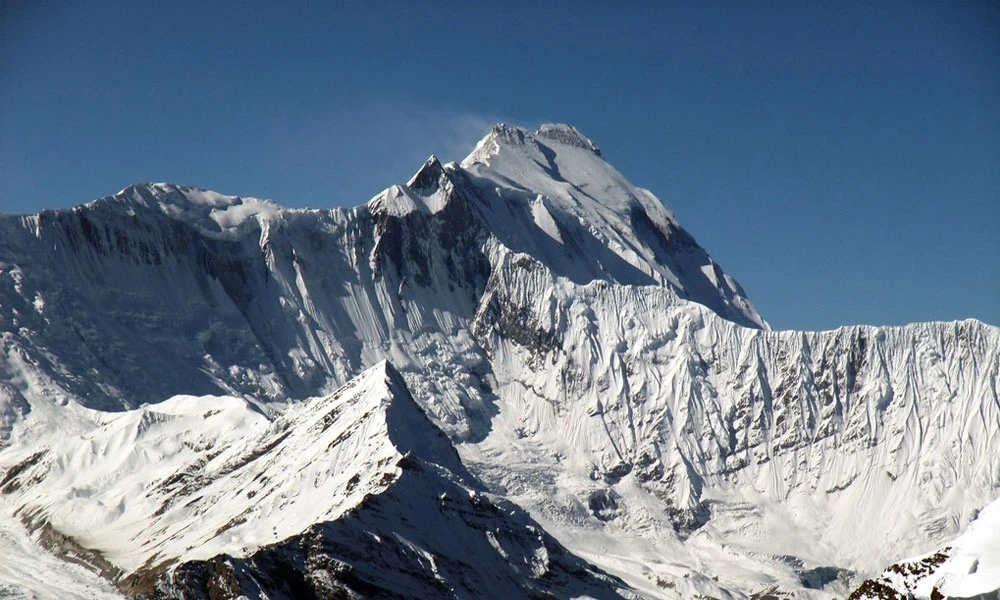
Yala Peak is located in the Langtang Valley region of Nepal, which is known for its breathtaking scenery, rich culture, and fewer crowds compared to other popular trekking destinations. The peak is part of the Langtang National Park, an area known for its diverse wildlife, including the red panda and various bird species. From the summit of Yala Peak, climbers are treated to stunning views of several high-altitude peaks, such as Langtang Lirung, Ganesh Himal, and even the distant Mount Everest on clear days.
Although Yala Peak is a non-technical climb, it still offers a challenge that requires some mountaineering skills and physical preparation. Climbers use ice axes, crampons, and ropes to ascend, but the difficulty level is lower compared to more technical peaks, making it an excellent choice for beginner mountaineers.
The Climbing Route
The journey to Yala Peak begins with a trek through the Langtang Valley, one of the most scenic areas in Nepal. Most trekkers start from Kathmandu, Nepal’s capital, and take a drive to the town of Syabrubesi, the gateway to Langtang. From there, you’ll begin your trek, passing through picturesque villages, dense forests, and peaceful meadows.
The trek to the base camp of Yala Peak typically takes about 4 to 5 days. Along the way, you’ll pass through the village of Lama Hotel, where trekkers usually stop for their first night, and then move on to Langtang Village, which was rebuilt after the 2015 earthquake. From Langtang, you’ll continue toward Kyanjin Gompa, a beautiful monastery located at an altitude of about 3,800 meters (12,467 feet). Kyanjin Gompa is also an excellent spot for acclimatization, helping you adjust to the higher altitude before heading to the base camp.
Once at Yala Peak Base Camp, which is located at around 4,800 meters (15,748 feet), you’ll spend some time preparing for the final climb. You’ll also use this time to acclimatize, giving your body a chance to adjust to the thin air at higher altitudes. The climb to the summit of Yala Peak typically takes about 6 to 8 hours, depending on the weather and your pace.
The ascent is not too steep, but it does involve a mixture of snow and rock climbing. The last part of the climb is often the most challenging, as you’ll need to navigate icy sections and rocky ridges, using ropes for safety. However, the route is generally straightforward, and the views from the summit make the effort well worth it.
Best Time to Climb
The best times to attempt Yala Peak Climbing are during the spring (March to May) and autumn (September to November). These months offer stable weather, clear skies, and moderate temperatures, which are ideal for trekking and climbing. The monsoon season (June to August) is not recommended, as heavy rain can make the trails slippery and dangerous. Winter (December to February) is also a challenging time due to the extreme cold and the possibility of snowstorms.
Preparation and Difficulty
While Yala Peak is considered a beginner-friendly climb, it still requires preparation. Before attempting the climb, it’s important to have some basic trekking experience and a good level of physical fitness. You should be comfortable with long days of walking at high altitudes and be prepared for cold temperatures. Although the climb is not technically difficult, you should still be familiar with the use of mountaineering tools like crampons and ice axes.
It’s also important to acclimatize properly to avoid altitude sickness. Taking extra days to rest and adjust to the higher altitudes will help your body cope with the thin air and increase your chances of reaching the summit safely.
Having a guide and porter is highly recommended for the Yala Peak Climb. A guide can help you navigate the route and ensure your safety, while a porter can carry your gear, allowing you to focus on the climb itself.
Conclusion
Yala Peak Climbing offers a perfect opportunity for trekkers and beginner mountaineers to experience the thrill of climbing in the Himalayas. With stunning views, a relatively non-technical climb, and a beautiful trekking route, Yala Peak is a great choice for those looking to explore the mountains of Nepal. Whether you’re a first-time climber or an experienced trekker looking for a new challenge, Yala Peak promises an unforgettable adventure and a sense of accomplishment when you reach the summit.











Sign in to leave a comment.