

In today’s technology-driven world, digital marketing has become one of the most in-demand and dynamic career fields. With businesses shifting their focus to online platforms, the need for skilled digital marketers continues to rise. Whether you're a student, a career switcher, or a professional looking to upskill, this guide will help you understand how to build a successful career in digital marketing. That's where a digital marketing certificate course comes into play.
Why Digital Marketing?
Digital marketing encompasses everything from SEO (search engine optimization) and PPC (pay-per-click) advertising to social media management, content marketing, email campaigns, and analytics. It’s a broad field with vast opportunities across industries. With over 4.5 billion internet users globally, brands are investing heavily in online platforms to reach their audiences. As a result, skilled digital marketers are in high demand.
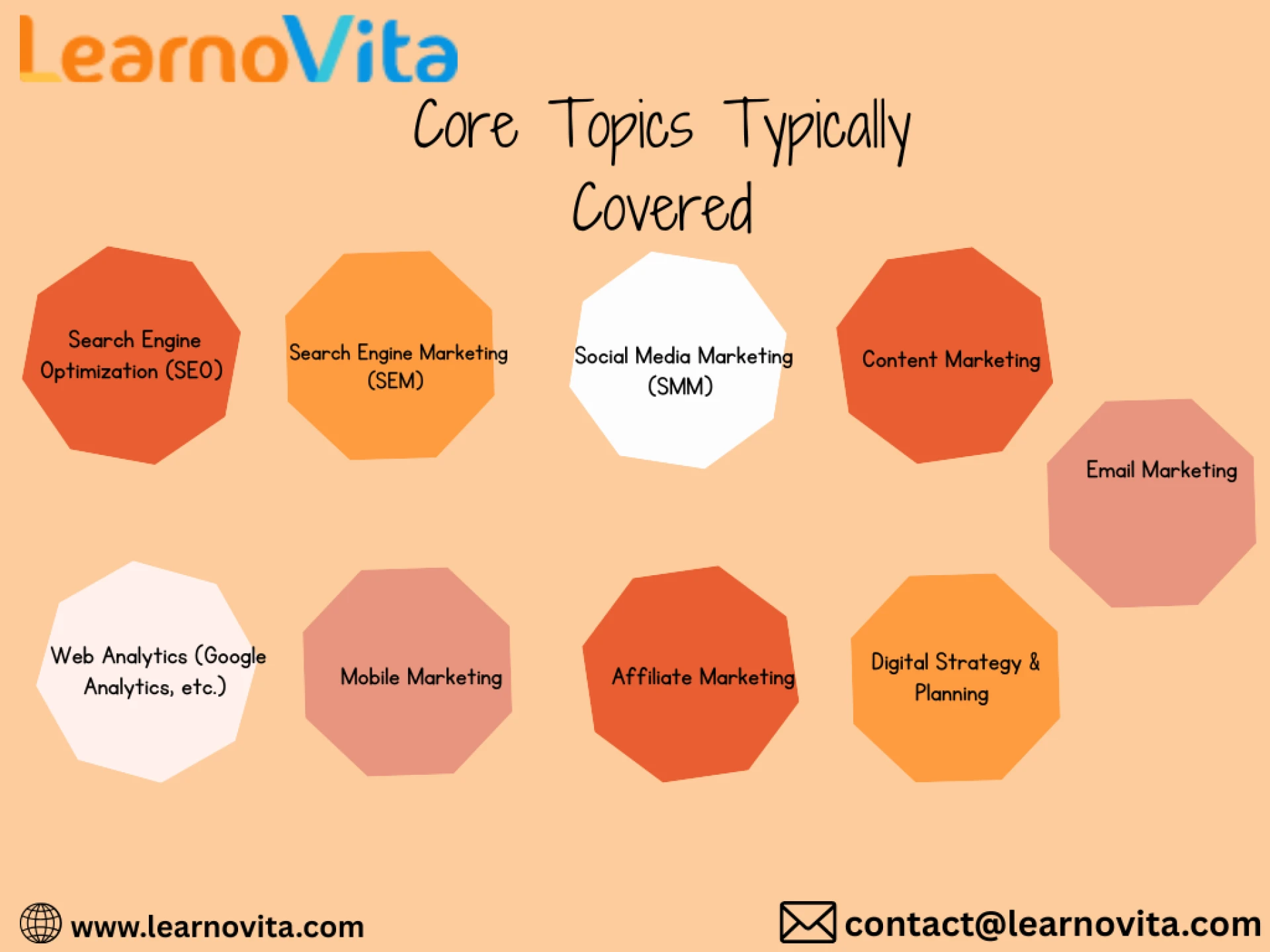
Core Topics Typically Covered:
1. Search Engine Optimization (SEO)
SEO is the practice of optimizing websites to improve their visibility on search engine results pages (SERPs). It focuses on increasing organic (non-paid) traffic through keyword optimization, content quality, and technical improvements.
2. Search Engine Marketing (SEM)
SEM involves using paid advertising to appear in search engine results, such as Google Ads. It helps businesses gain immediate visibility and attract targeted traffic through keyword-based ad campaigns.
3. Social Media Marketing (SMM)
SMM leverages social media platforms like Facebook, Instagram, and LinkedIn to promote products, build brand awareness, and engage with audiences. It includes both organic posting and paid advertising.
4. Content Marketing
Content marketing focuses on creating valuable, relevant, and consistent content to attract and retain a target audience. It aims to drive profitable customer action through blogs, videos, infographics, and more.
5. Email Marketing
Email marketing involves sending targeted messages to a group of subscribers to promote products, share news, or nurture leads. It remains one of the most cost-effective digital marketing channels.
6. Web Analytics (Google Analytics, etc.)
Web analytics tools track and analyze website traffic, user behavior, and conversion metrics. Google Analytics helps marketers make data-driven decisions and optimize digital campaigns.
7. Mobile Marketing
Mobile marketing targets users through mobile devices using SMS, apps, mobile websites, and push notifications. It focuses on reaching consumers on the go with personalized, real-time content.
8. Affiliate Marketing
Affiliate marketing is a performance-based strategy where affiliates earn commissions for promoting another company’s products or services. It relies on partnerships and results-driven promotion.
9. Digital Strategy & Planning
Digital strategy and planning involve defining goals, selecting the right channels, and creating a roadmap to execute digital campaigns effectively. It ensures cohesive, goal-oriented online marketing efforts under Best Software Training Institute.
Benefits of a Digital Marketing Certificate
- Career Advancement: Gain a competitive edge in the job market.
- Higher Earning Potential: Certified professionals often command better salaries.
- Practical Knowledge: Most courses include real-world projects, simulations, and case studies.
- Credibility: A certificate from a reputable institution (like Google, HubSpot, or Coursera) adds weight to your resume.
- Flexibility: Many programs are online and self-paced, allowing you to learn at your convenience.
Final Thoughts
A career in digital marketing is both exciting and rewarding. It blends creativity, technology, and strategy in a way few other fields do. By following a structured learning path, gaining real-world experience, and continuously upskilling, you can build a successful and future-proof career.




























Sign in to leave a comment.